Which herbs did Roman soldiers use in Scotland, and did they grow them here? One of the best answers comes from an unlikely place: the sewage ditch beside the latrine at Bearsden Roman fort, on the Antonine Wall. Seeds, fragments of fruit and pollen survived in the wet deposits. They offer unusually direct evidence of plants consumed or used by people at the fort in the mid-second century AD.
The central distinction: archaeology can show that a plant was present, but usually cannot tell us whether it was eaten as a seasoning, taken as a remedy, cultivated beside the fort or supplied from elsewhere. Ancient writers describe medicinal uses, but their descriptions do not prove those treatments took place at Bearsden.
Four plants with evidence from Bearsden
Coriander: flavouring and traditional remedies
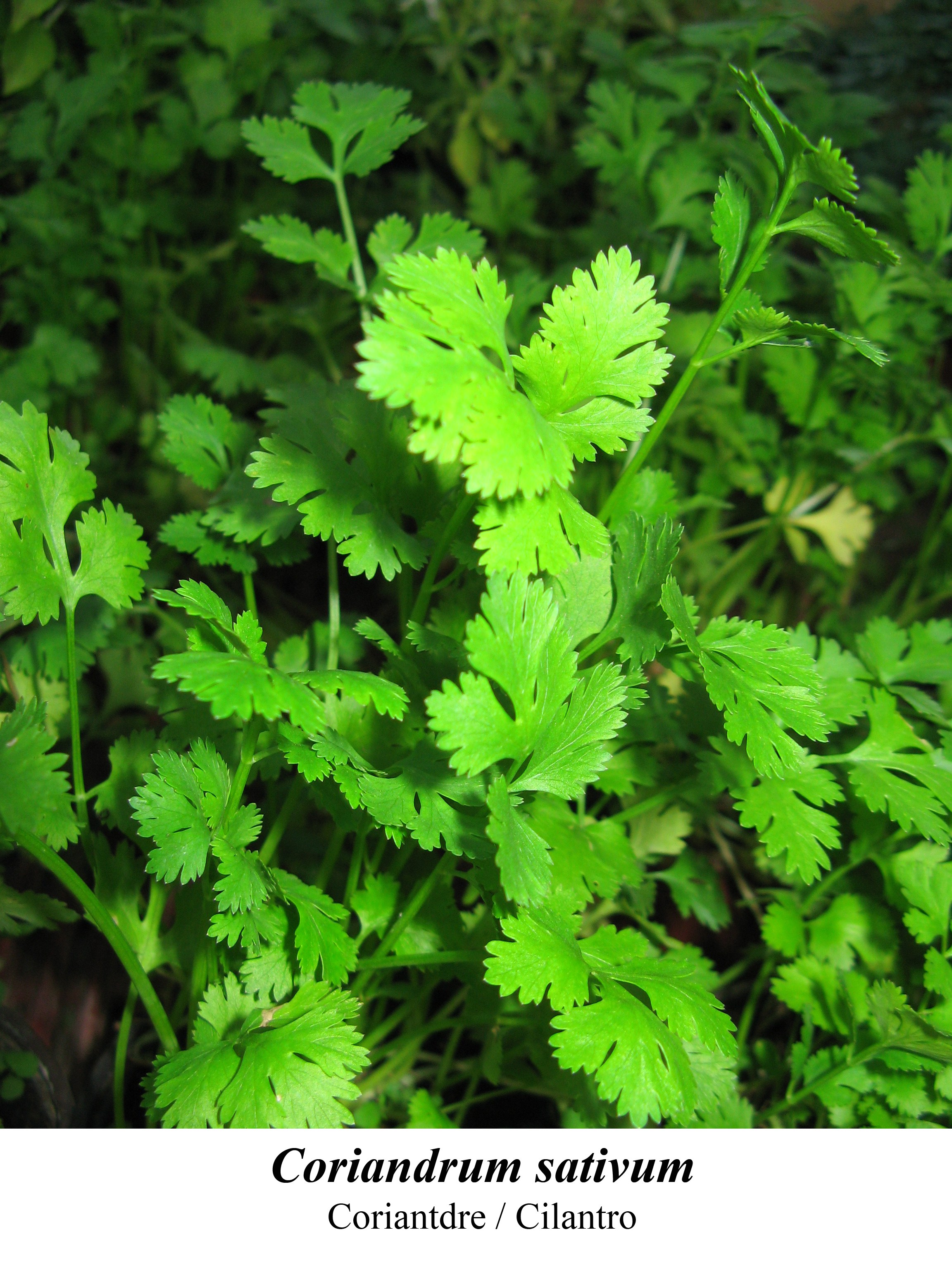
Fragments of coriander fruits (Coriandrum sativum) were recovered from the Bearsden sewage. The researchers suggested that the fruit walls had been broken by pounding, a way of releasing their aromatic flavour. Coriander was used to season food. Pliny the Elder also described remedies made from it, including treatments for skin complaints and parasites (Natural History 20.82). This tells us how Romans understood the plant, not that a particular soldier was treated with it.
Dill: a familiar Roman seasoning
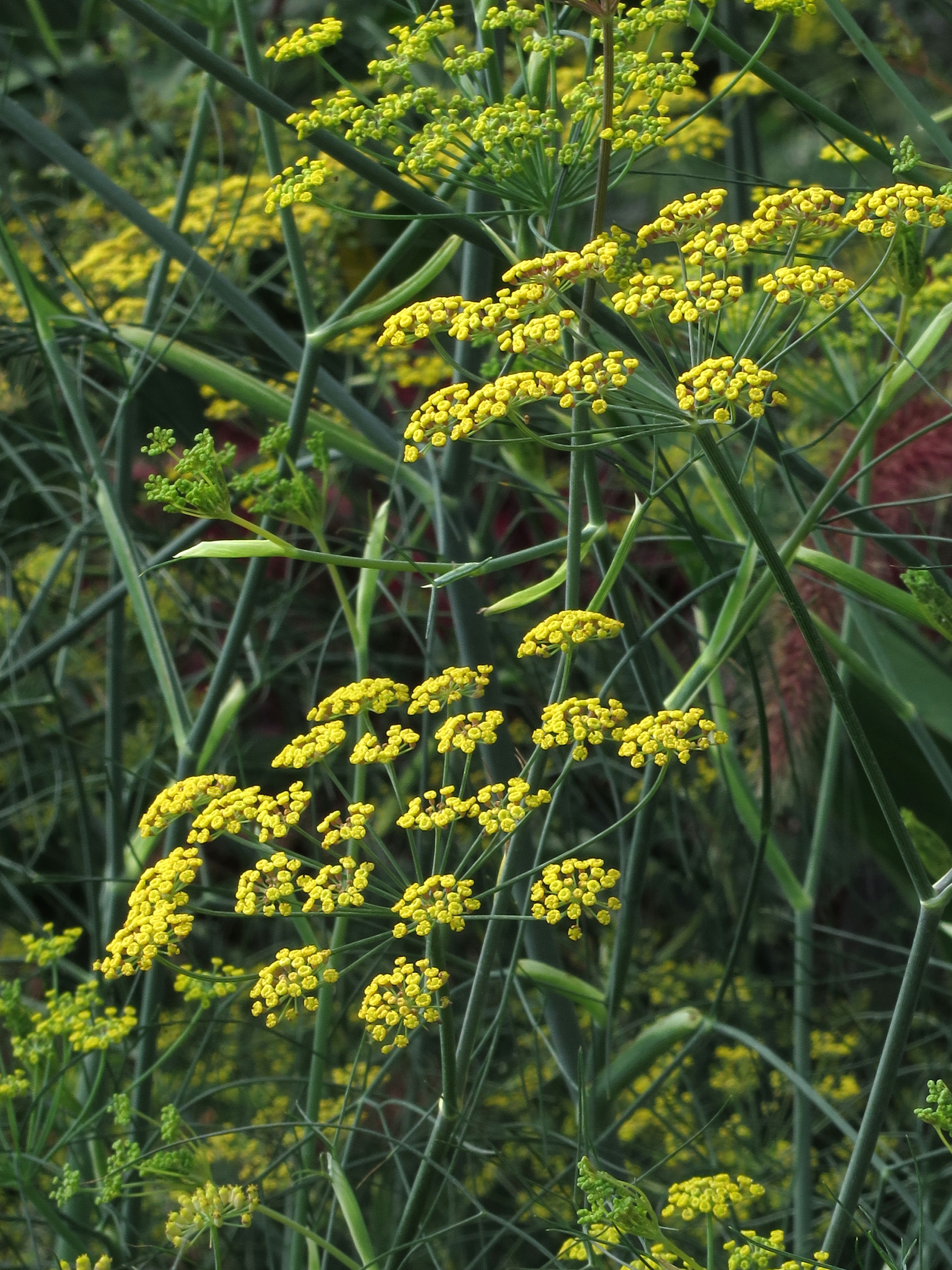
Dill fruits (Anethum graveolens) were also identified. Roman cooks used dill for flavouring. Pliny discussed its supposed ability to relieve digestive discomfort (Natural History 20.74). The seeds could have arrived as dried supplies, although the plant could grow and set seed during a favourable Scottish summer.
Wild celery: an imported plant or a local one?
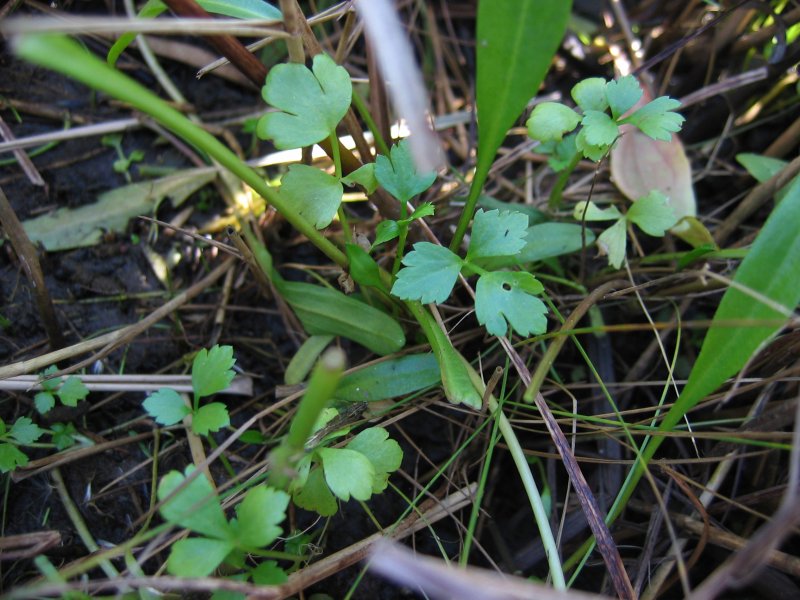
Fruits of wild celery (Apium graveolens) occurred in the ditch. This was not necessarily the thick-stalked celery seen in shops today. Its leaves, stalks and fruits could be used for flavouring, and classical medical writers attributed digestive and other properties to it. Wild celery was part of the British flora, but it was scarce in Scotland; the Bearsden specialists thought the fruits were probably imported. The identification therefore does not prove that Romans first introduced celery to Britain.
Common mallow: a possible medicinal garden plant
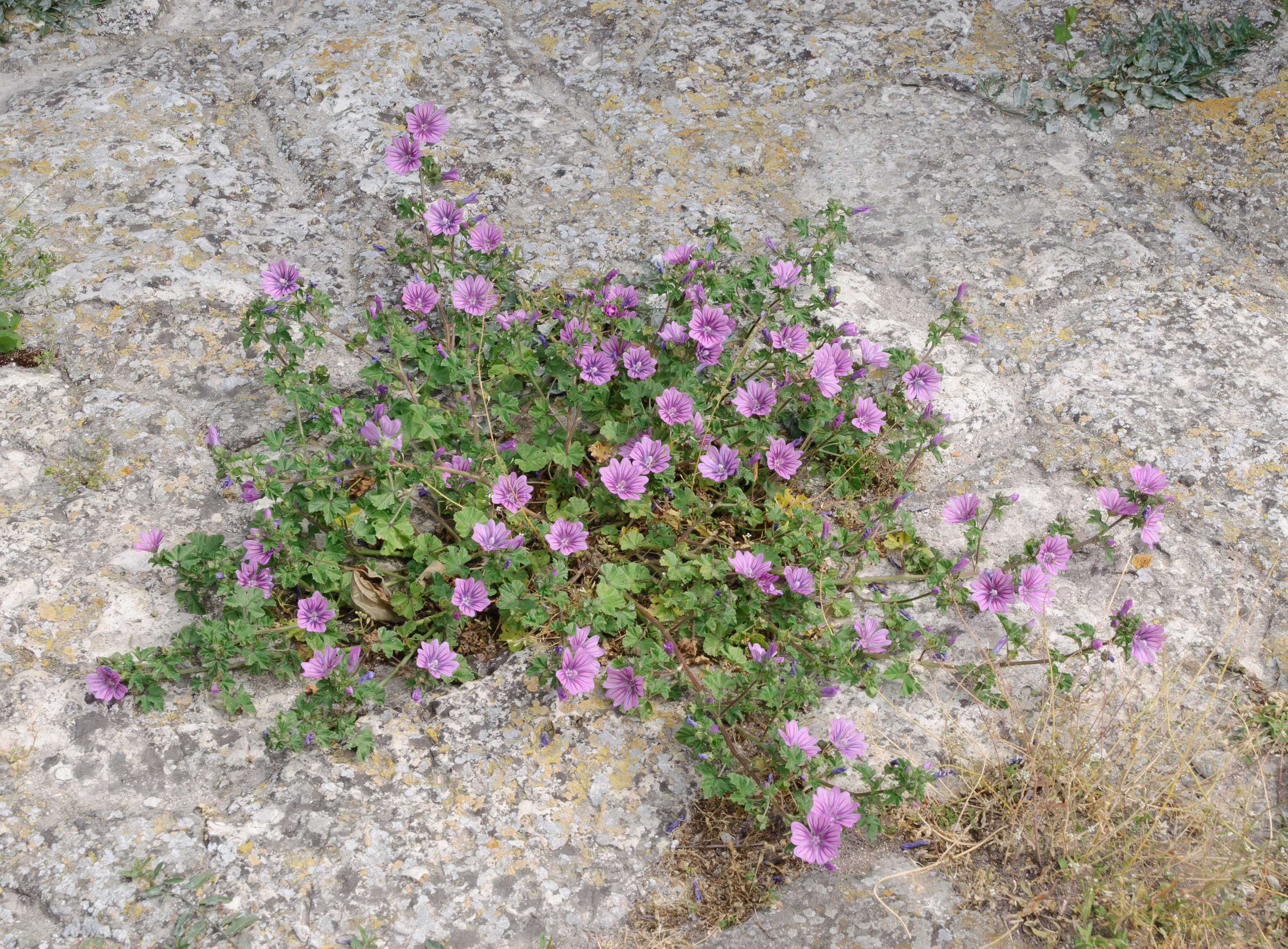
Pollen of common mallow (Malva sylvestris) was found in the Roman sewage and ditch deposits. The archaeobotanists suggested that flowers or other parts of the plant might have been eaten, perhaps for perceived health benefits. They also raised the possibility that mallow was deliberately cultivated at Bearsden, but this remains a hypothesis. Pliny praised mallow for numerous supposed medicinal uses (Natural History 20.84).
What about opium poppy?
Seeds of opium poppy (Papaver somniferum) were identified at Bearsden too. Poppy seeds were used in Roman food, including bread. The Romans also knew medicinal preparations made from poppies, but the presence of seeds is not evidence that opium was produced or administered at this fort. The ripe culinary seeds themselves are not the same as the drug-bearing latex. Opium poppy was known in southern Britain before the Roman conquest, so it should not be described simply as a Roman introduction to Britain.
Did the soldiers grow herbs at Bearsden?
Possibly, but no excavated herb garden has been demonstrated. The excavation report considers it feasible that coriander, dill and poppies could have ripened in carefully tended plots in good seasons, using seed initially brought from elsewhere. For wild celery the specialist report favours imported fruits. Common mallow may have grown locally or been cultivated. These are different possibilities, and none should be presented as an established garden at the fort.
Which herbs were already native to Britain?
Not every herb used by Romans was introduced by them. Water mint (Mentha aquatica) and corn mint (Mentha arvensis) are native to Britain. They were available as plants independently of the Roman army. We should also distinguish these from particular cultivated mints whose histories may be different. Mint has not been established as a Roman introduction to Britain; nor are the Bearsden deposits proof that soldiers there used mint in their cooking.
Other Roman herbs: what can we say about Scotland?
Fennel, thyme, rosemary, parsley, savoury and marjoram occur in the wider literature about Roman food and medicine. It would be reasonable to discuss them in an article about Roman practices generally, but I have not confirmed finds of these herbs from Scottish Roman military sites. They should not appear in a list of plants archaeologically proven to have been used in Scotland unless a Scottish find can be cited.
What the evidence really tells us
Bearsden shows that at least some soldiers on Rome’s northern frontier consumed plant foods and seasonings associated with a wider Roman diet. The finds also overlap with plants described in classical medicine. The strongest conclusion is about what was present, not proof of precisely how every plant was used or how it arrived.
For the wider story see Food & Drink in Roman Scotland, Medicine & Health in Roman Scotland and Roman Foods Introduced to Britain.
Sources and further reading
- Dickson, C. A. and Dickson, J. H. (2016), “Plant Remains”, especially pp. 223–235 and 270–272, in D. J. Breeze, Bearsden: A Roman Fort on the Antonine Wall. Society of Antiquaries of Scotland, open-access book.
- Breeze, D. J. (2016), “Discussion: Diet”, pp. 369–371, in the same volume.
- Scottish Archaeological Research Framework: Production and Procurement (summary of the Bearsden botanical evidence).
- Pliny the Elder, Natural History, book 20 (sections 74, 82 and 84), as discussed in the excavation report; ancient medicinal claims are not modern medical advice.
- Royal Horticultural Society: water mint and corn mint recorded as native to Britain and Ireland.


