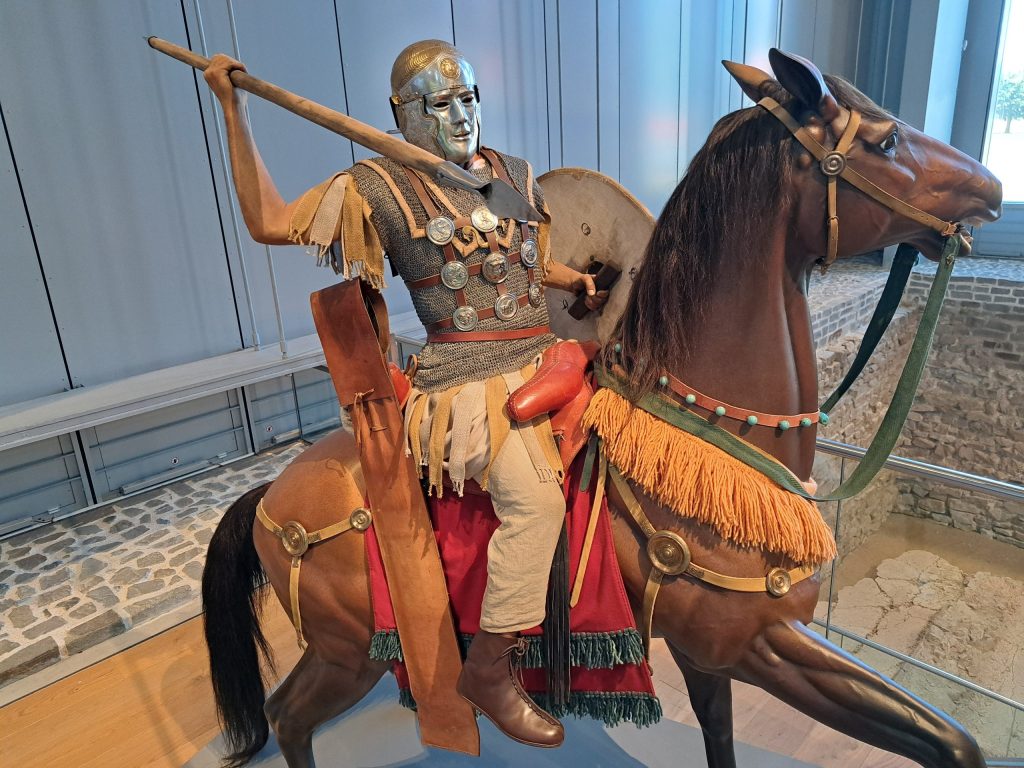
The soldiers who invaded, built and occupied Roman Scotland
For more than a century, Roman armies repeatedly marched into Scotland. They fought battles, constructed roads and forts, built the Antonine Wall, occupied territory, withdrew — and returned again. But who were these soldiers?
It is easy to imagine “the Roman army” as a single uniform force of men from Rome. The reality was much more complicated.
The armies that served in Scotland included:
Roman citizen legionaries • auxiliary infantry • cavalry • archers • engineers • surveyors • craftsmen • administrators and other specialists
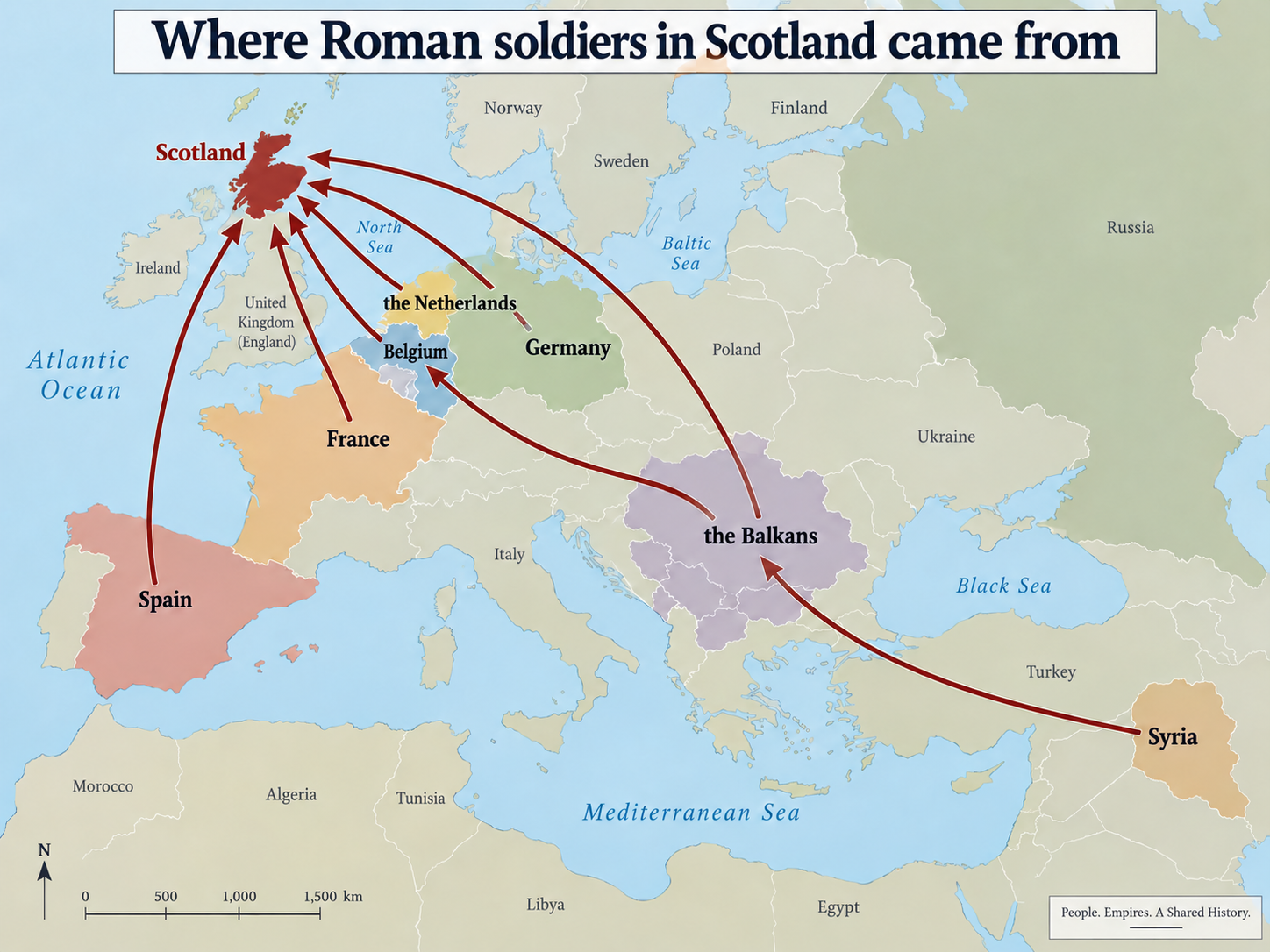
They came from Britain and from across the Roman Empire.
Some units had originally been recruited in places we now call:
the Netherlands • Belgium • France • Germany • Spain • the Balkans • Syria
By following their forts, inscriptions, tombstones, altars and equipment, we can begin to reconstruct the extraordinary military machine Rome brought to its northern frontier.
Teaching this topic? Explore Roman campaigns and engineering for CfE Second Level (P5–P7), with activities and an editable teacher pack.
⚔️ Legionaries and auxiliaries
The Roman army contained two broad types of regular troops:
Legionaries
The legions were the backbone of the Roman army. Traditionally composed of Roman citizens, a full legion contained several thousand men organised into cohorts and centuries. Legionaries fought as heavy infantry, but they were much more than battlefield soldiers.
They could also be:
builders • engineers • surveyors • road makers • craftsmen
That made them particularly important during the conquest of Scotland. The same soldiers who marched north could construct a fort, road or frontier installation when they arrived.
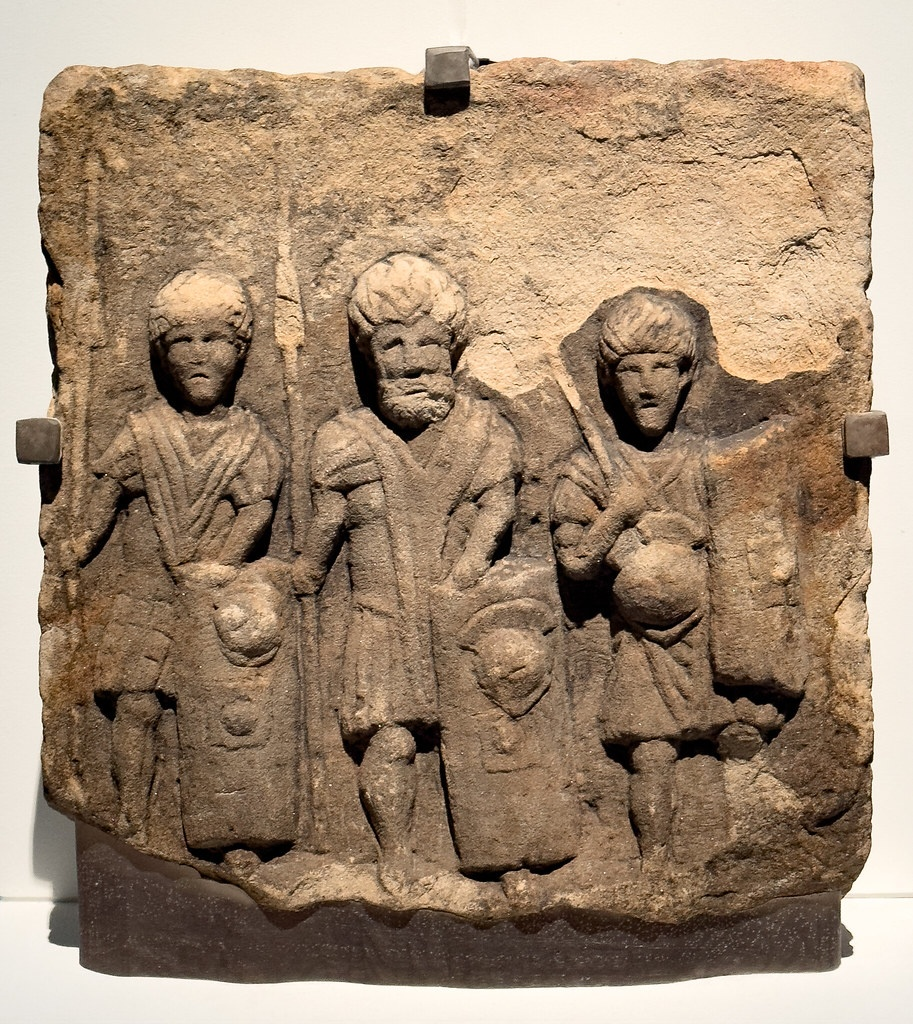
🛡️ Auxiliaries
Alongside the legions fought the:
auxilia
These were infantry and cavalry units originally recruited among peoples incorporated into the Roman Empire.
They included:
infantry cohorts
cavalry alae
and
mixed infantry-and-cavalry units
Auxiliary troops were not second-rate soldiers.
They provided many of the Roman army’s specialist capabilities and performed much of the everyday work of garrisoning forts.
Read more about Auxiliary Units in Roman Scotland
At Mons Graupius, Tacitus says Agricola initially placed around 8,000 auxiliary infantry and 3,000 cavalry in the main battle line while keeping his legionaries in reserve. Your Agricola page brings those figures and the units associated with the campaign together.
Explore Agricola’s invasion of Scotland
🦅 The Roman legions in Scotland
Several Roman legions operated in Scotland at different times.
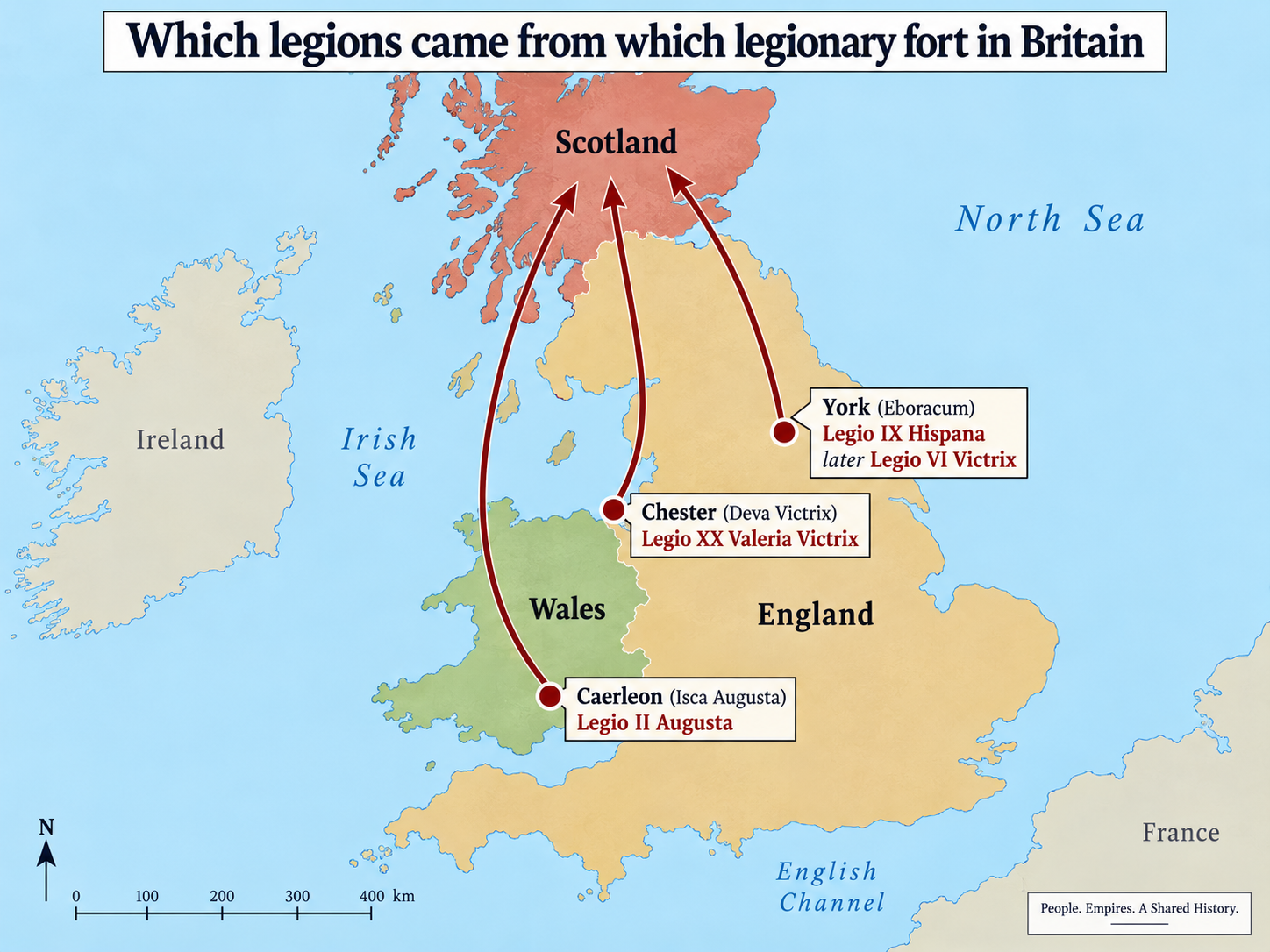
Among the most important were:
Legio II Augusta
The Second Legion Augusta was normally based at Caerleon in Wales. Its soldiers took part in operations in northern Britain and later played an important role in building the Antonine Wall.
The spectacular Bridgeness Distance Slab records work carried out by a detachment of II Augusta. Individual soldiers also emerge from inscriptions.At Shirva near Auchendavy, the tombstone of Flavius Lucianus identifies him simply as a soldier of Legio II Augusta.
🦅 Legio IX Hispana
Few Roman legions have generated more fascination than the:
Ninth Legion Hispana
The Ninth took part in Agricola’s campaigns in Scotland.
Tacitus describes a dramatic incident during Agricola’s sixth campaigning season when northern forces launched a surprise night attack on the camp of the Ninth. The attackers penetrated the defences before Agricola brought reinforcements and drove them back. It gives us a rare ancient description of a Roman legion getting into serious trouble in Scotland.
The later fate of the Ninth has generated countless theories, but there is no evidence that the legion simply disappeared in Scotland.
→ Explore Legio IX Hispana
🦅 Legio XX Valeria Victrix
The Twentieth Legion Valeria Victrix was one of the most important units involved in Roman Scotland. During Agricola’s campaigns, the legion established the enormous legionary fortress at:
Inchtuthil
Inchtuthil was intended to accommodate an entire legion close to the edge of the Highlands.
Its construction represents the scale of Agricola’s ambition. But the fortress was abandoned before it was completely finished when Rome withdrew troops from Scotland. Later, detachments of the Twentieth returned north and helped construct the Antonine Wall.
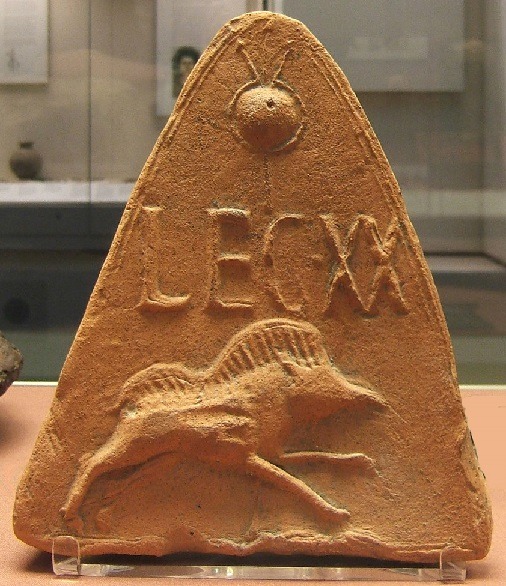
🦅 Legio VI Victrix
The:
Sixth Legion Victrix
came to Britain during the reign of Hadrian and was normally based at York. Detachments of VI Victrix subsequently took part in the construction of the Antonine Wall. Inscriptions connect the legion with several Wall sites.
At Westerwood, for example, an inscription involving Vibia Pacata, wife of a centurion of VI Victrix, provides a rare glimpse of the family world surrounding a Roman officer. The Antonine Wall page brings together the inscriptional evidence for VI Victrix and other units fort by fort.
Explore the Antonine Wall and its military units
🦅 Legio II Adiutrix
Another legion associated with Agricola’s campaigns was:
Legio II Adiutrix
It served in Britain before being transferred to the Danube region in the AD 80s. Its departure was part of a wider redeployment of Roman forces. That matters because Roman withdrawal from much of Scotland was not necessarily simply the result of military defeat.
Rome needed troops elsewhere.
The Roman army was an imperial resource. A crisis hundreds of miles away could affect how many soldiers were available to hold territory in Scotland.
🦅 Even soldiers from Legio XXII?
There is intriguing inscriptional evidence suggesting that detachments of:
Legio XXII Primigenia — elements of
may also have reached northern Britain. The legion itself was based at Mainz on the Rhine. A building inscription from Scotland has been connected with the Twenty-Second, raising the possibility that specialist detachments were sent to Britain.
Explore the evidence for Legio XXII Primigenia in Scotland
This is a useful reminder that military movement was not limited to the permanent British legions. Soldiers and detachments could be moved enormous distances when the Empire required them.
Detachments from two other legions are recorded in Britain.
🌍 An army from across the Empire
The auxiliary army makes the international character of Roman Scotland even clearer. Units serving here carried names associated with peoples from across the Empire.
They included (modern country name in brackets):
Batavians (Netherlands)
Baetasians (Netherlands)
Cugerni (Germany)
Tungrians (Belgium
Nervians (Belgium)
Gauls (France)
Thracians (Bulgaria)
Vardullians (Spain)
Hamians (Syria)
Usipi (Germany)
and others.
But there is an important warning.
The name of a unit is not a passport.
A cohort originally raised in Thrace did not necessarily remain filled with Thracians forever. As soldiers died, retired or were discharged, replacements could be recruited elsewhere.
The clearest Scottish example is:
Nectovelius
Nectovelius served in the Second Cohort of Thracians. But his tombstone explicitly identifies him as a Brigantian
He came from northern Britain, not Thrace. He died aged 29 after nine years of service at Mumrills on the Antonine Wall.
🐎 The Tungrians
The Tungri came originally from the Lower Rhine region around modern Belgium. Several Tungrian units served in Britain. At Mumrills we can meet one of their cavalrymen by name:
Valerius Nigrinus
Nigrinus was a duplicarius, a double-pay cavalry sub-officer, in:
Ala I Tungrorum — the First Cavalry Regiment of Tungrians.
He dedicated an altar to Hercules Magusanus, a god strongly associated with the Lower Rhine. An individual soldier, his military unit and his religion therefore connect a fort in central Scotland with communities around the Rhine.
🐎 The Batavians
The Batavians came originally from the Rhine delta in what is now the Netherlands. They developed a formidable military reputation and were particularly associated with cavalry, river crossings and amphibious operations. Batavian troops accompanied Agricola’s army into Scotland. They are also associated with the later Roman presence on the Antonine frontier.
Explore the Batavians in Scotland
🏹 Archers from Syria?
One of the most striking examples of long-distance military movement appears at:
Bar Hill
The fort has evidence for:
Cohors I Hamiorum sagittariorum
—the First Cohort of Hamian Archers. The unit’s origins were associated with Hama in Syria. Its specialist skill was archery.
The evidence therefore brings a military tradition originating in the eastern Mediterranean to the Antonine Wall in Scotland. Your Antonine Wall guide places the Hamian archers among the known units at Bar Hill.
That is the Roman Empire in miniature: soldiers and military traditions moving thousands of miles to defend a frontier in Scotland.
🇪🇸 Vardullians
At Castlecary we find evidence for the:
First Cohort of Vardullians
The unit had originally been raised among the Vardulli of northern Spain. By the time such auxiliary units were serving in Britain, however, their soldiers need not all have come from the area that gave the unit its name. Again, unit identity could survive long after recruitment patterns had changed.
🇫🇷 Gauls
Several units whose names originated in Gaul served in Roman Scotland. At Cramond, for example, the inscriptional evidence introduces us to:
Lucius Minthonius Tertullus
prefect of the:
Fifth Cohort of Gauls.
A military unit whose name originated on the Continent was commanded by an officer stationed beside the Firth of Forth. That was entirely normal within the Roman army.
⚔️ What did Roman soldiers actually do?
Battle was only part of military life. Most soldiers probably spent far more time:
training
patrolling
guarding
constructing
repairing
transporting supplies
maintaining equipment
and
performing administrative duties
than fighting large battles.
The Roman army was simultaneously a fighting force and an enormous labour organisation.
🧱 The army as builders
Nowhere is that clearer than on the:
Antonine Wall
Detachments of three legions divided the construction work between them:
II Augusta
VI Victrix
XX Valeria Victrix
They recorded their work on the extraordinary Distance Slabs.
These stones give us:
legion names • measured work sectors • imperial titles • legionary symbols • scenes of Roman victory
They allow us to investigate the organisation of the construction project itself. Your detailed catalogue currently identifies eighteen secure inscribed slabs.
Explore all 18 Antonine Wall Distance Slabs
🏗️ Fort builders
The Roman army also built an extraordinary network of:
fortresses
forts
fortlets
temporary camps
roads
bridges
watch posts
and other installations.
A Roman fort wasn’t simply a defensive enclosure. It was a military community. Inside could be:
headquarters — principia
commanding officer’s house — praetorium
barrack blocks
granaries
workshops
and sometimes:
bathhouses
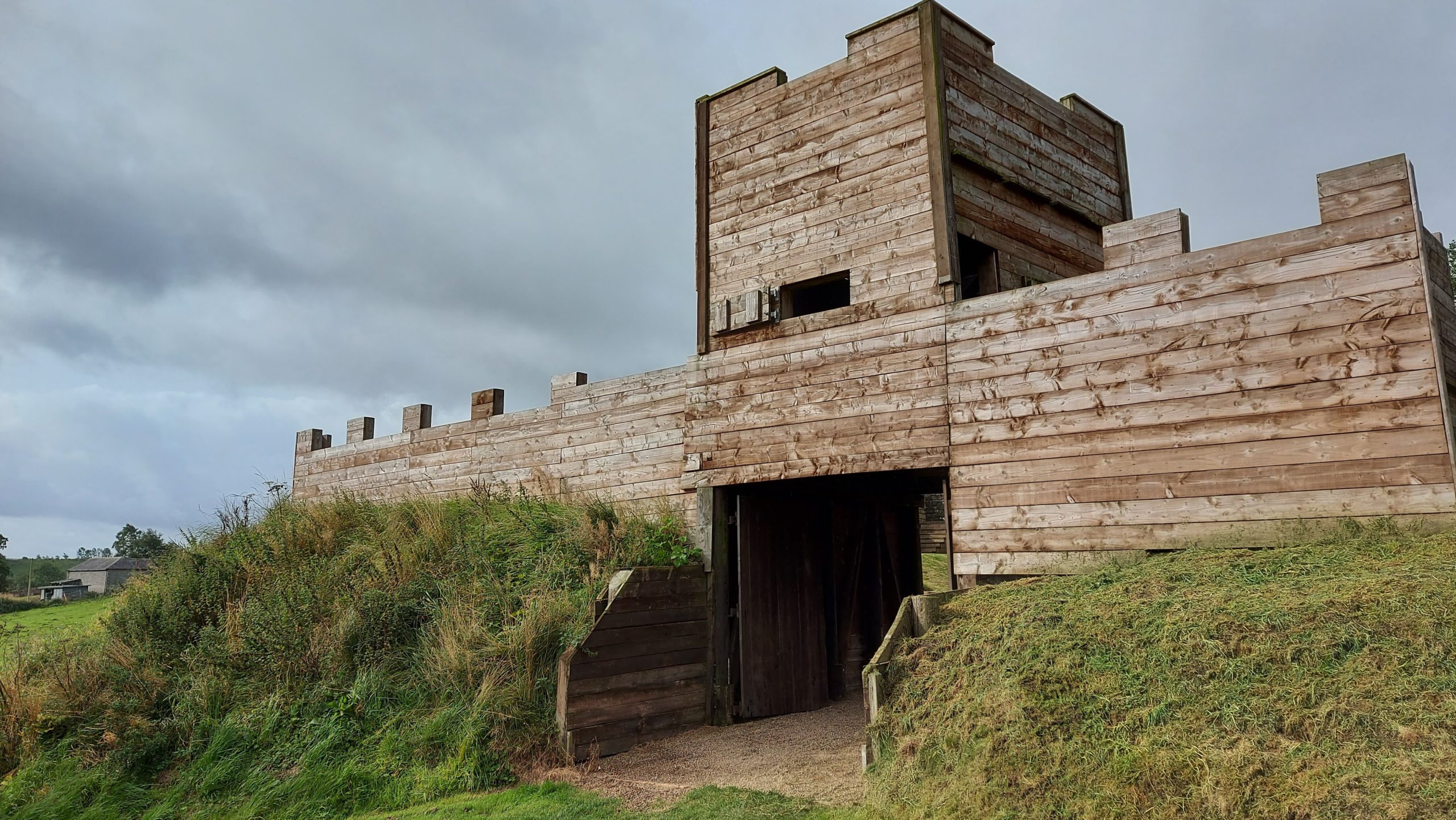
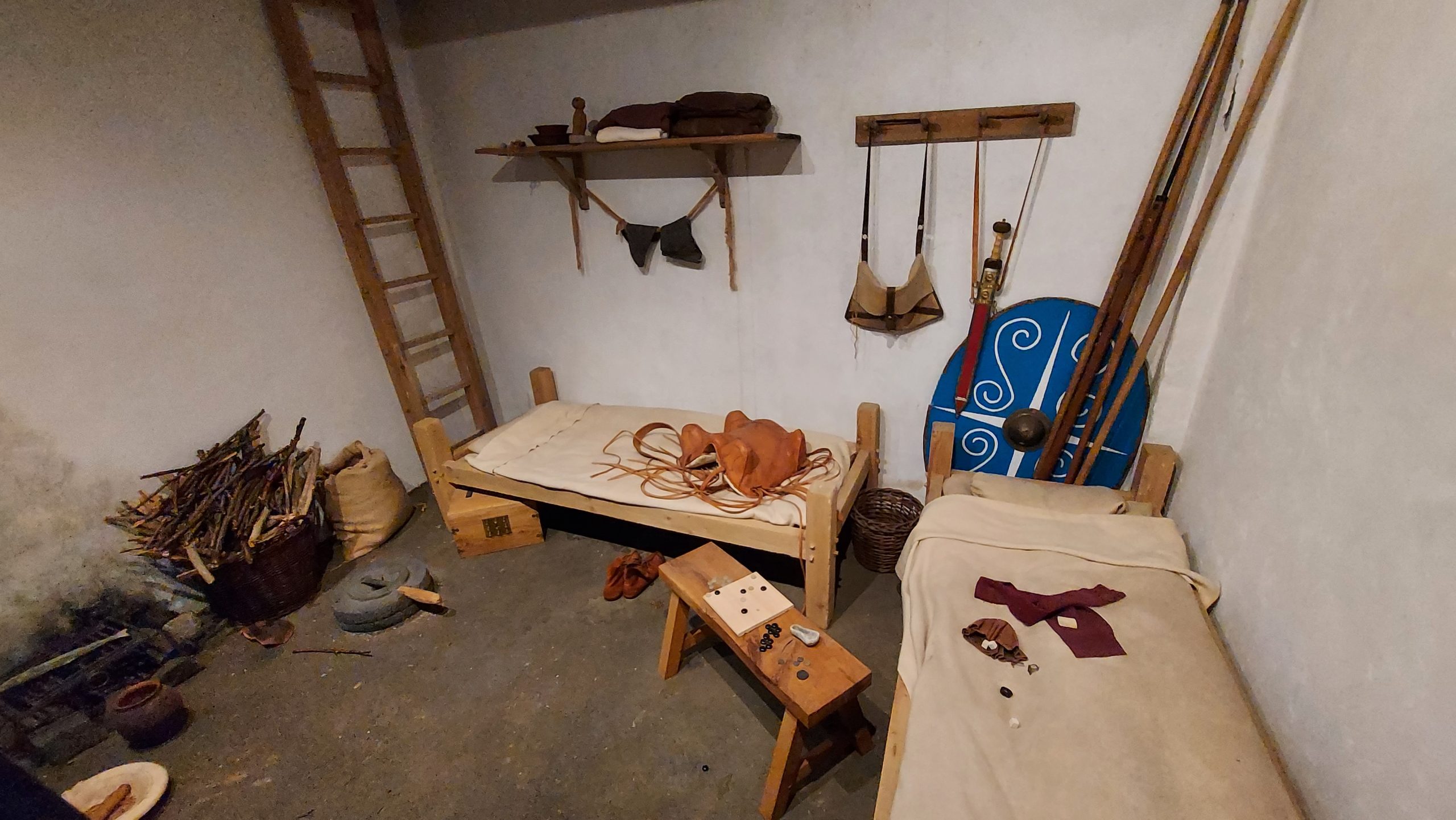
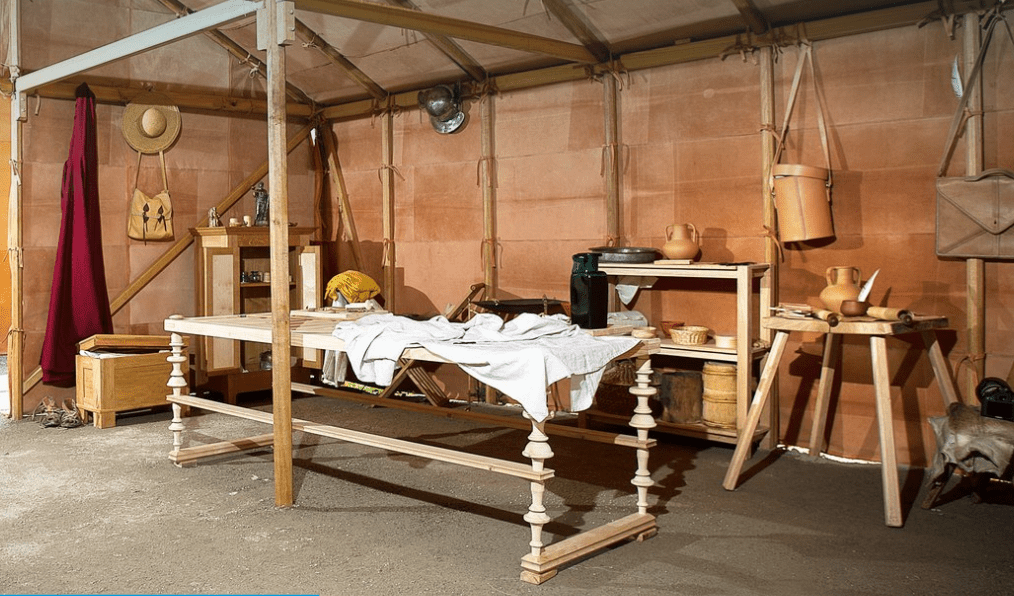
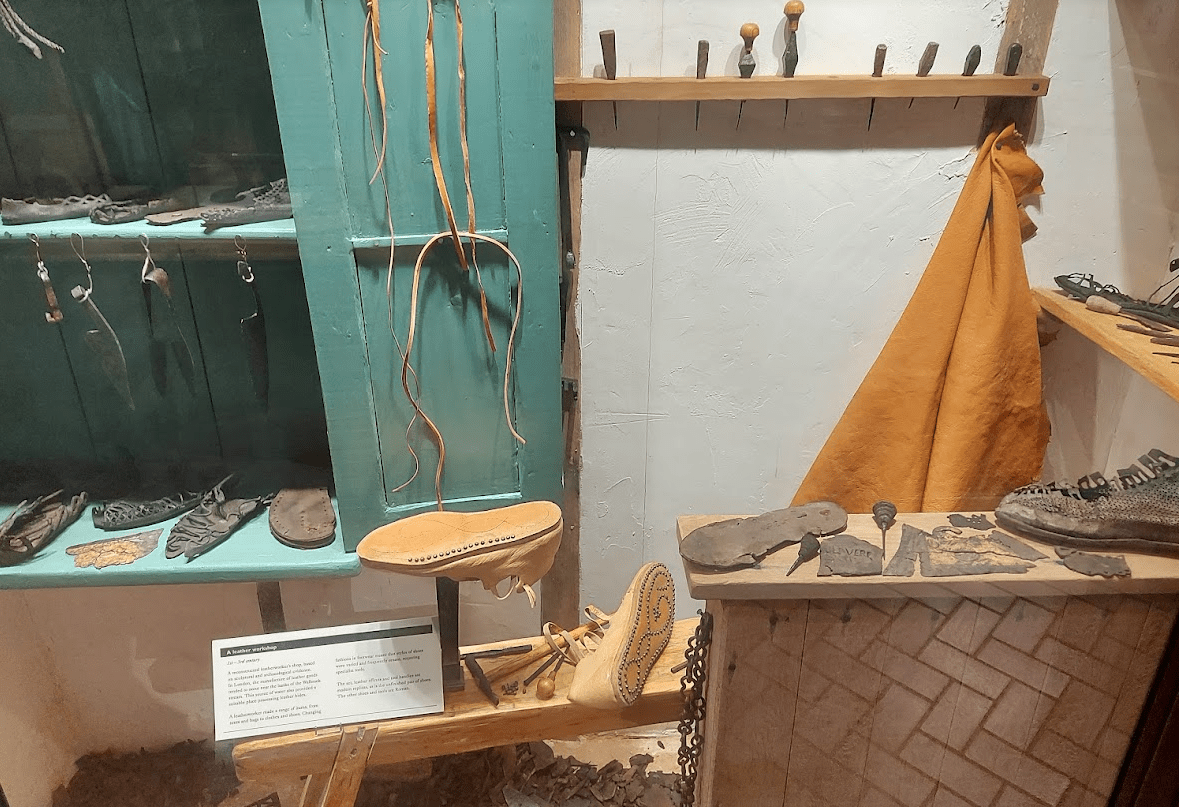
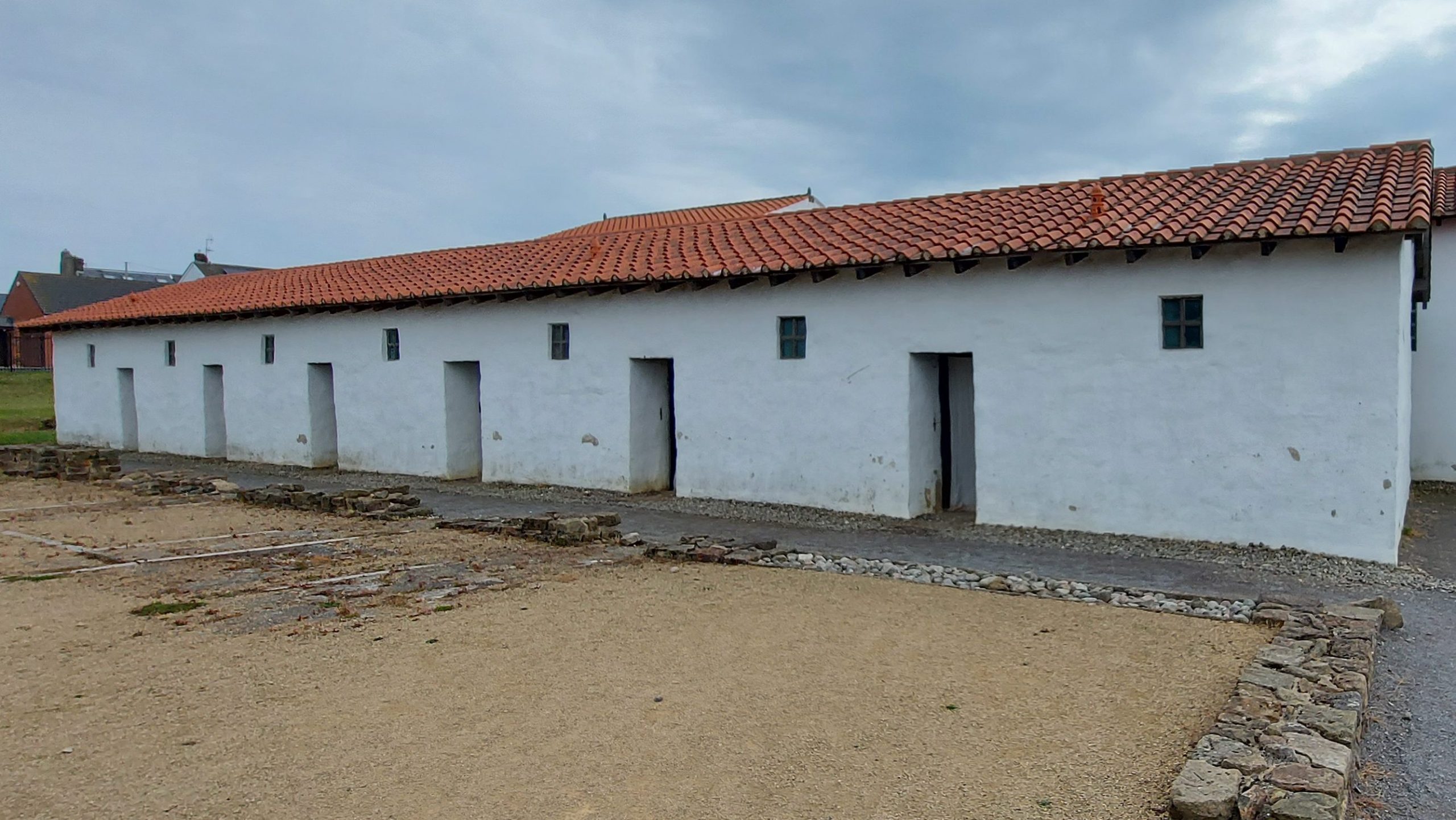
The layout varied according to the troops stationed there, but the same broad principles can be recognised across the Empire.
⛺ Marching camps
Not every Roman military site was intended to last. When an army marched through hostile territory, it constructed:
temporary camps
These could enclose enormous areas. Their surviving ditches now provide some of our best evidence for Roman campaign routes. Scotland contains a remarkable concentration of such sites. Some accommodated relatively small forces. Others could hold armies of many thousands.
The camps allow archaeologists to ask:
Which route did an army take?
How large was it?
Did it return to the same location?
Does the camp belong to Agricola, Antoninus Pius, Severus—or another campaign entirely?
Often the last question is much harder to answer than it first appears.
🏕️ A camp used more than once
The Roman temporary camp at Dunning provides a good example. Excavation found a characteristically Roman V-shaped ditch. More importantly, archaeologists discovered that the ditch had been re-cut after it had already partly filled. Similar evidence appeared on other sides of the camp.
That suggests the army did not simply stop there once.
It came back.
Cases such as Dunning warn us against assuming that every large camp belongs automatically to Agricola or to one famous campaign. Roman armies repeatedly used Scotland’s landscape.
🔨 Engineers, craftsmen and specialists
A Roman army required far more than infantry and cavalry.
Within or attached to military units were people with specialist skills.
They could include:
surveyors
engineers
smiths
carpenters
stoneworkers
medical personnel
clerks
messengers
and many others.
Roman forts required enormous quantities of:
food • timber • metal • leather • pottery • animals • fuel
Keeping an army supplied in Scotland was therefore a logistical operation on a remarkable scale.
🕵️ Beneficiarii — soldiers on special duty
Some soldiers were released from normal unit duties to carry out specialist work for senior officials.
Among them were the:
beneficiarii
Their responsibilities could include administration, communications, policing and oversight of important routes or strategic locations.
A recently identified spear-shaped copper-alloy mount from Inveresk closely resembles the distinctive insignia associated with such personnel.
At Cramond, a silver ring-pommel sword pendant provides another Scottish connection with this specialist military world.
These objects reveal a side of the Roman army that ancient battle narratives rarely describe:
the people who helped make imperial administration work.
📯 Who commanded them?
The Roman army was strongly hierarchical.
A simplified chain might include:
Governor / senior commander
↓
Legionary legate
↓
Tribunes
↓
Centurions
↓
Principales and other junior officers
↓
Ordinary soldiers
Auxiliary units had their own commanders, often prefects or tribunes.
At Cramond we can identify Lucius Minthonius Tertullus, prefect of the Fifth Cohort of Gauls.
At Auchendavy we meet the centurion Marcus Cocceius Firmus.
At Mumrills we meet the cavalry sub-officer Valerius Nigrinus.
Inscriptions let us move down the command structure from anonymous units to actual people.
🏛️ The standards and the emperor
The Roman army was not simply loyal to an abstract state.
Military identity was tied closely to:
the emperor
the unit
and
the standards
The standards were kept in the headquarters building and were objects of enormous symbolic importance.
Emperors appeared repeatedly in military inscriptions.
The Antonine Wall Distance Slabs, for example, proclaim the titles of:
Antoninus Pius
even though Antoninus never visited Scotland.
The soldiers built the frontier.
The emperor received the glory.
🙏 Soldiers and their gods
Military communities brought their religious beliefs with them.
The altars of Roman Scotland introduce us to gods including:
Jupiter
Mars
Minerva
Victory
Hercules Magusanus
Epona
Apollo Grannus
Mithras
Silvanus
and many others.
Religion can therefore help us follow military connections across the Empire.
Valerius Nigrinus’s dedication to Hercules Magusanus is a particularly good example.
So are the remarkable altars erected at Auchendavy by Marcus Cocceius Firmus.
→ Explore Roman Altars
🗓️ The army changed over time
There was not one continuous Roman occupation of Scotland.
Different armies came north during different phases.
AD 70s–80s — Agricola
Large Roman armies campaigned deep into Scotland.
Forts are established.
A legionary fortress is constructed at Inchtuthil.
Mons Graupius belongs to this period.
After AD 86 — withdrawal
Forces are transferred elsewhere in the Empire.
Much of the territory occupied in Scotland is abandoned.
Some military sites continue or are reused, but the great Flavian advance contracts.
Your maps page follows these changes in occupation across the different Roman phases.
See Roman Scotland change through maps
AD 140s — Antoninus Pius
Rome advances north again.
A new frontier is constructed between the Forth and Clyde:
The Antonine Wall
Legionary detachments build the frontier while a remarkable collection of auxiliary units garrison its forts.
AD 160s — withdrawal south
The Antonine Wall is abandoned.
Rome’s principal frontier returns to the region of Hadrian’s Wall.
But Roman involvement with Scotland does not end.
AD 208–211 — Septimius Severus
More than a century after Agricola, the emperor:
Septimius Severus
personally comes to Britain.
A huge Roman army campaigns once again in Scotland.
Roads and military sites are reused.
Existing forts are repaired or reoccupied.
Campaign camps appear across the landscape.
This was Rome’s last great attempt to impose military power deep into northern Scotland.
After Severus died at York in AD 211, his sons abandoned the campaign.
🗺️ How far north did the Roman army go?
Far beyond the Antonine Wall.
Roman forts, camps, roads and artefacts show military activity extending deep into Scotland.
Sites include:
Newstead
Ardoch
Strageath
Bertha
Inchtuthil
and numerous temporary camps extending still farther north.
But identifying a Roman camp does not automatically tell us:
which army built it.
Agricolan, Antonine and Severan armies could sometimes follow similar routes.
Some locations were reused.
Dating camps therefore remains one of the great challenges of Roman military archaeology in Scotland.
⚔️ Why didn’t Rome conquer all of Scotland permanently?
There is no single answer.
Roman armies clearly demonstrated that they could penetrate far into Scotland.
The harder question was whether occupying the territory permanently was worthwhile.
Maintaining conquest required:
forts
roads
garrisons
supplies
money
and above all:
soldiers
Those soldiers were also needed on the Rhine, Danube and elsewhere across a vast Empire.
The military history of Roman Scotland therefore reflects not merely what happened here, but strategic decisions taken across the Roman world.
Sometimes the important question wasn’t:
Could Rome conquer Scotland?
but:
Was holding it worth the cost?
🔍 How do we know which units were here?
There is no surviving Roman army list for Scotland. Instead, historians reconstruct the military presence from different forms of evidence.
Inscriptions
Building stones, altars and tombstones can name actual units and individuals.
Distance Slabs
Record legionary detachments constructing sections of the Antonine Wall.
Archaeology
Fort size, barrack plans and stable blocks can sometimes indicate the type and approximate size of the garrison.
Equipment
Weapons, armour and horse equipment provide clues to military activity.
Ancient writers
Tacitus and Cassius Dio describe major campaigns — but they rarely give us the detailed unit information we would like.
Temporary camps
Reveal the movements of field armies, although dating them to specific campaigns can be difficult.
The strongest interpretation usually comes from combining several kinds of evidence.
🧭 Explore the Roman Army
At the bottom of the page I would use six large visual cards.
🦅 ROMAN LEGIONS
The heavy infantry and builders
Meet II Augusta, VI Victrix, IX Hispana, XX Valeria Victrix and the other legionary troops connected with Scotland.
→ Explore the Roman Legions
🛡️ AUXILIARY UNITS
An army from across the Empire
Tungrians, Batavians, Gauls, Thracians, Vardullians, Hamians and others.
→ Explore the Auxiliary Units
🏰 FORTS
Where soldiers lived
Explore Scotland’s Roman forts and discover which units may have occupied them.
Explore Roman Forts in Scotland
⛺ CAMPS
Follow armies on campaign
Temporary camps preserve traces of Roman armies moving through the Scottish landscape.
→ Explore Roman Camps
🧱 DISTANCE SLABS
The army as builders
See how II Augusta, VI Victrix and XX Valeria Victrix divided construction of the Antonine Wall.
👤 SOLDIERS
Meet the individuals
Nectovelius, Flavius Lucianus, Valerius Nigrinus, Marcus Cocceius Firmus and others.
→ Explore the People of Roman Scotland
More than an army of conquest
The Roman army transformed parts of Scotland.
Its soldiers:
fought battles
built roads
constructed forts
raised the Antonine Wall
moved goods
worshipped gods
formed communities
and sometimes died here.
But perhaps the most surprising thing about the Roman army in Scotland is how little of it was actually “Roman” in the modern geographical sense. A Brigantian could serve in a Thracian cohort. Tungrian cavalry could worship a Lower Rhine god at Mumrills. Archers belonging to a unit originating in Syria could serve at Bar Hill. Legionaries based in York, Chester or Caerleon could be detached to build a frontier across central Scotland.
The Roman army brought the Roman Empire north. And wherever that army stopped, it needed somewhere to live.

