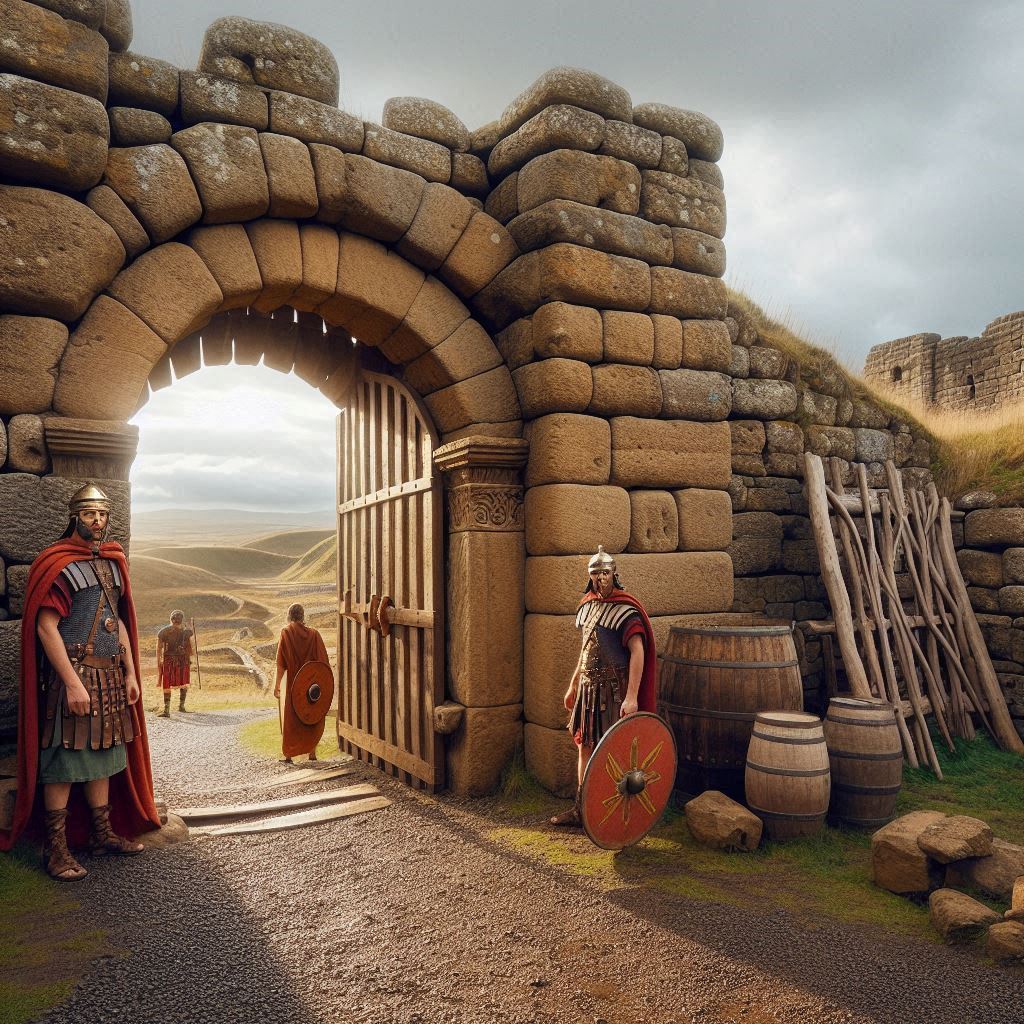
Roman Scotland is sometimes easier to miss than to see. A grassy bank may be a fort rampart; a hollow beside a field may mark an amphitheatre. In museums, objects recovered from these places bring us closer to the soldiers, families and local communities who lived through Rome’s northern campaigns.
These are ten places I recommend for discovering that story. They combine impressive remains, quieter landscapes and museums where the finds help explain what has disappeared.
The list follows a broad touring sequence from the Borders through Edinburgh and central Scotland to Perthshire. The numbers identify the stops; they are not a ranking. You can explore them in regional groups rather than attempt the whole journey.
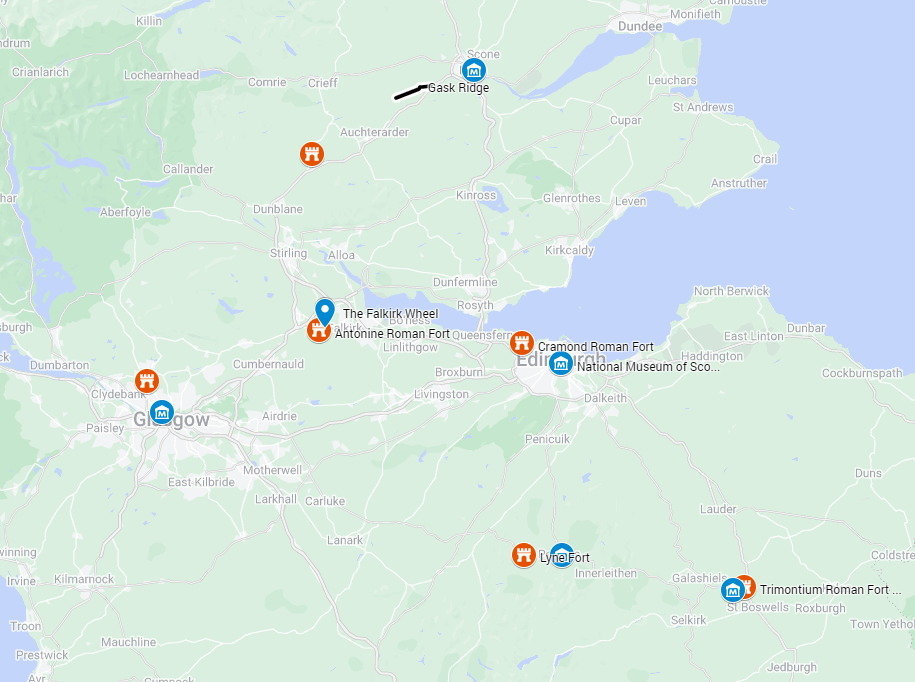
Open the interactive map of the sites
1. Trimontium Museum, Melrose
Best for: beginning your exploration of Roman Scotland.
Start in Melrose before visiting the nearby fort. Trimontium Museum introduces the Roman presence in the Borders through finds, interpretation and the relationship between the invading army and the people already living here.
The museum gives a human dimension to the landscape. A fort was a place where people worked, ate, traded and formed relationships, as well as a military installation. Understanding that makes the fields at Newstead much more meaningful.
The museum also offers the Trimontium Experience, including a virtual reconstruction of the fort, and organises guided walks. Check which activities require separate booking.
Plan your visit: Allow roughly 1–1½ hours, with additional time for booked activities.
Read about Trimontium Museum · Official visitor information
2. Trimontium Fort, Newstead, near Melrose
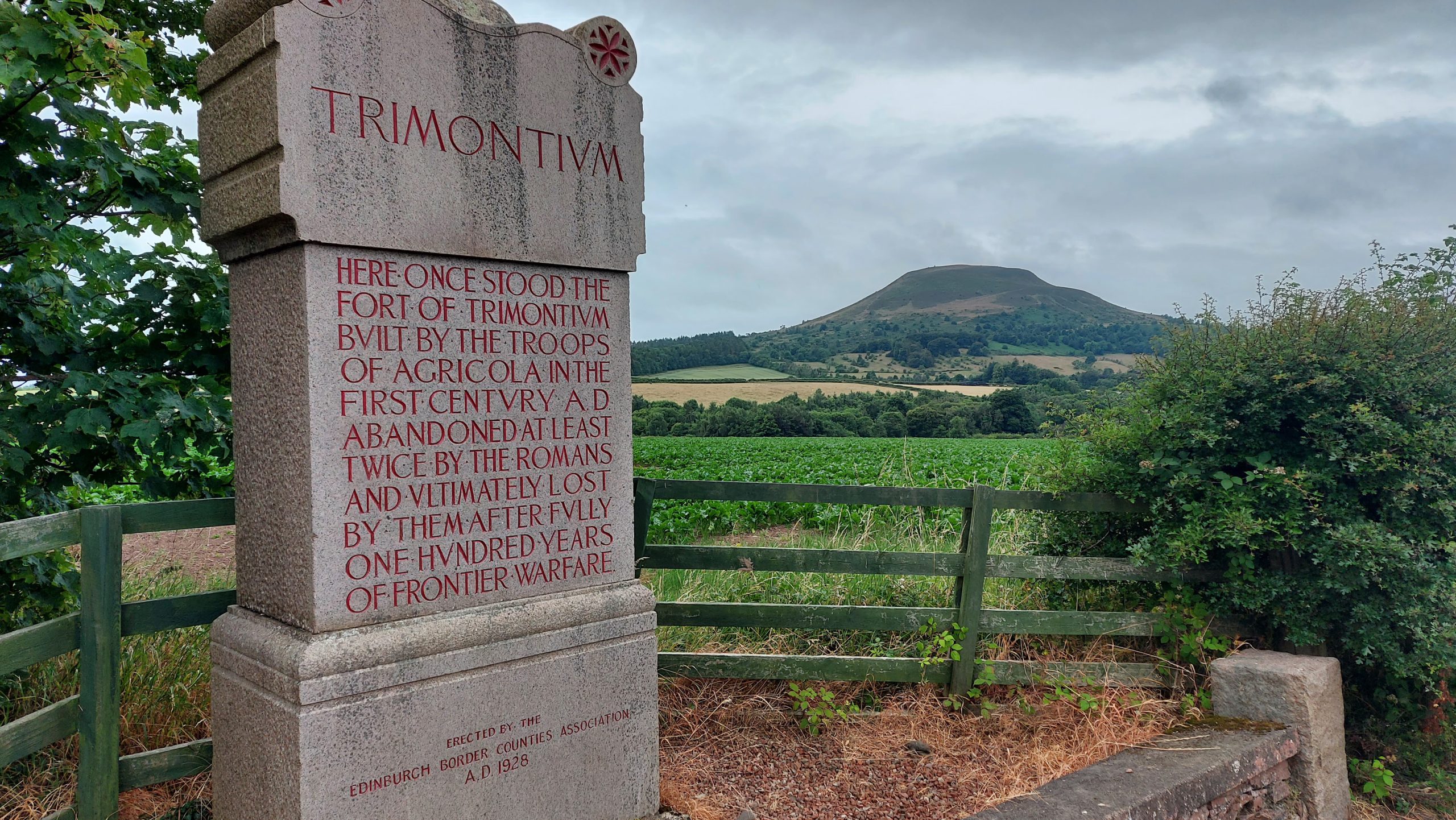
Best for: understanding a Roman fort in its landscape.
Beneath the fields near Newstead lie the remains of a major Roman military complex. The Eildon Hills provide its memorable backdrop: Trimontium’s name refers to their three peaks.
Do not expect standing walls. Much of the interest comes from understanding the scale and position of the buried site, helped by a plan or guided walk. One particularly rewarding feature is the amphitheatre, surviving as a grassy hollow with banking.
The museum’s published routes distinguish a longer walk from Melrose from a shorter route starting at Newstead. Even the shorter route is around 2½–3 miles, so this deserves more than a quick roadside stop.
Plan your visit: Allow about 1½–2 hours for the shorter walk, depending on pace and stops. Wear footwear suited to countryside paths.
Read about Trimontium Fort · Official fort and walking information
3. Lyne Roman Fort, near Peebles
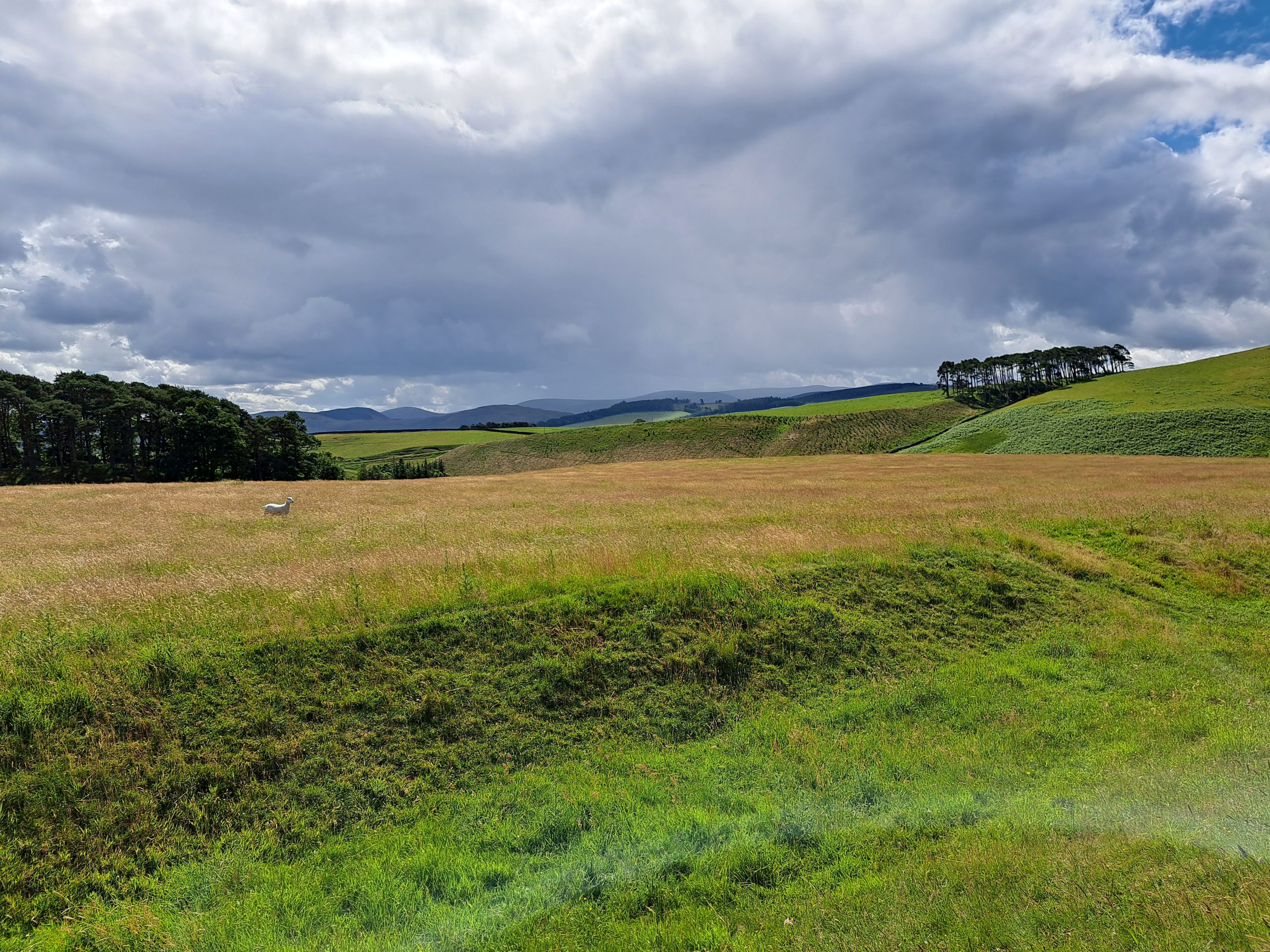
Best for: a quieter encounter with Roman remains.
Lyne is a personal favourite. It is less prominent on the visitor circuit, but its rural setting rewards anyone who enjoys working out how an archaeological site fits into the surrounding countryside.
The fort can still be traced through its broad ditches and earth ramparts. Take time to follow its outline and consider the position the army chose: where could soldiers see approaching movement, and how did the surrounding ground contribute to its defence? The local heritage trail helps place the fort within a much longer history of settlement.
This is a good place to slow down, with lunch in nearby Peebles a pleasant addition.
Plan your visit: Allow roughly 30–60 minutes at the fort. It is an outdoor site on agricultural land; check the approach beforehand and follow local access signs.
Read about Lyne Fort · Lyne Heritage Trail
4. Cramond Roman Fort, Edinburgh
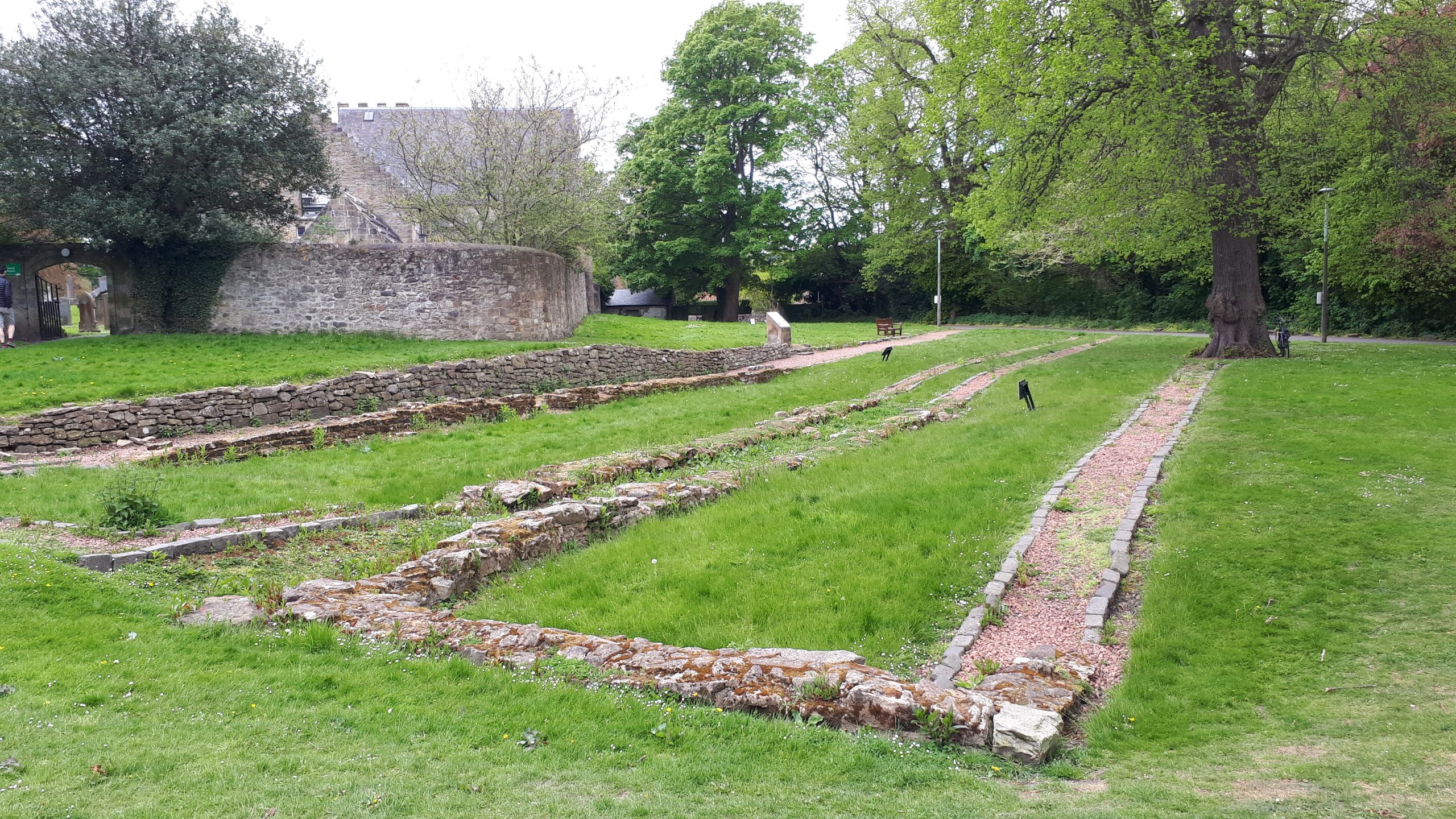
Best for: combining Roman history with an Edinburgh coastal visit.
Around Cramond Kirk, traces of a Roman fort survive within a much later village. The site invites you to look beyond the buildings and streets of today and imagine a military base beside the River Almond and the Firth of Forth.
Cramond is also a useful place to explore different phases of Roman activity. It played a role in the campaigns of Septimius Severus, when connections between the army and coastal supplies were particularly important.
Its most celebrated discovery is the Cramond lioness, a remarkable carved funerary sculpture. The original is at the National Museum of Scotland, making the two Edinburgh stops a rewarding pair.
Plan your visit: Allow around 30–45 minutes for the Roman remains, with extra time to explore the village and waterfront.
Read about Cramond Fort · Read about Severus’s invasion
5. National Museum of Scotland, Edinburgh
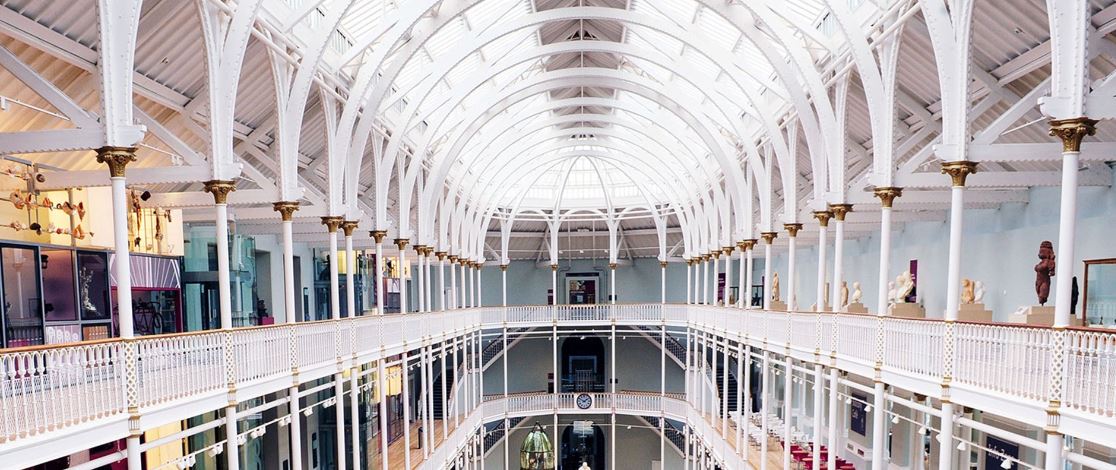
Best for: seeing the objects behind the archaeological sites.
A museum visit can transform your understanding of a grassy fort. Here, discoveries from across Scotland reveal military equipment, craftsmanship, beliefs and the ways Rome presented its power.
Three objects to look for are the Cramond lioness, the Bridgeness distance slab and the Newstead cavalry face mask. Together they open up very different stories: commemoration of the dead, the celebration of conquest, and the impressive appearance of Roman cavalry equipment. Check with staff if a particular object is not on display.
As you explore, look beyond the most spectacular pieces. Smaller everyday objects help bring the people of Roman Scotland into focus.
Plan your visit: Allow 1–2 hours for a focused visit to the relevant displays; the wider museum can easily fill much more time.
Read about the National Museum of Scotland · Explore the museum’s Roman collections
6. Rough Castle Roman Fort, near Falkirk
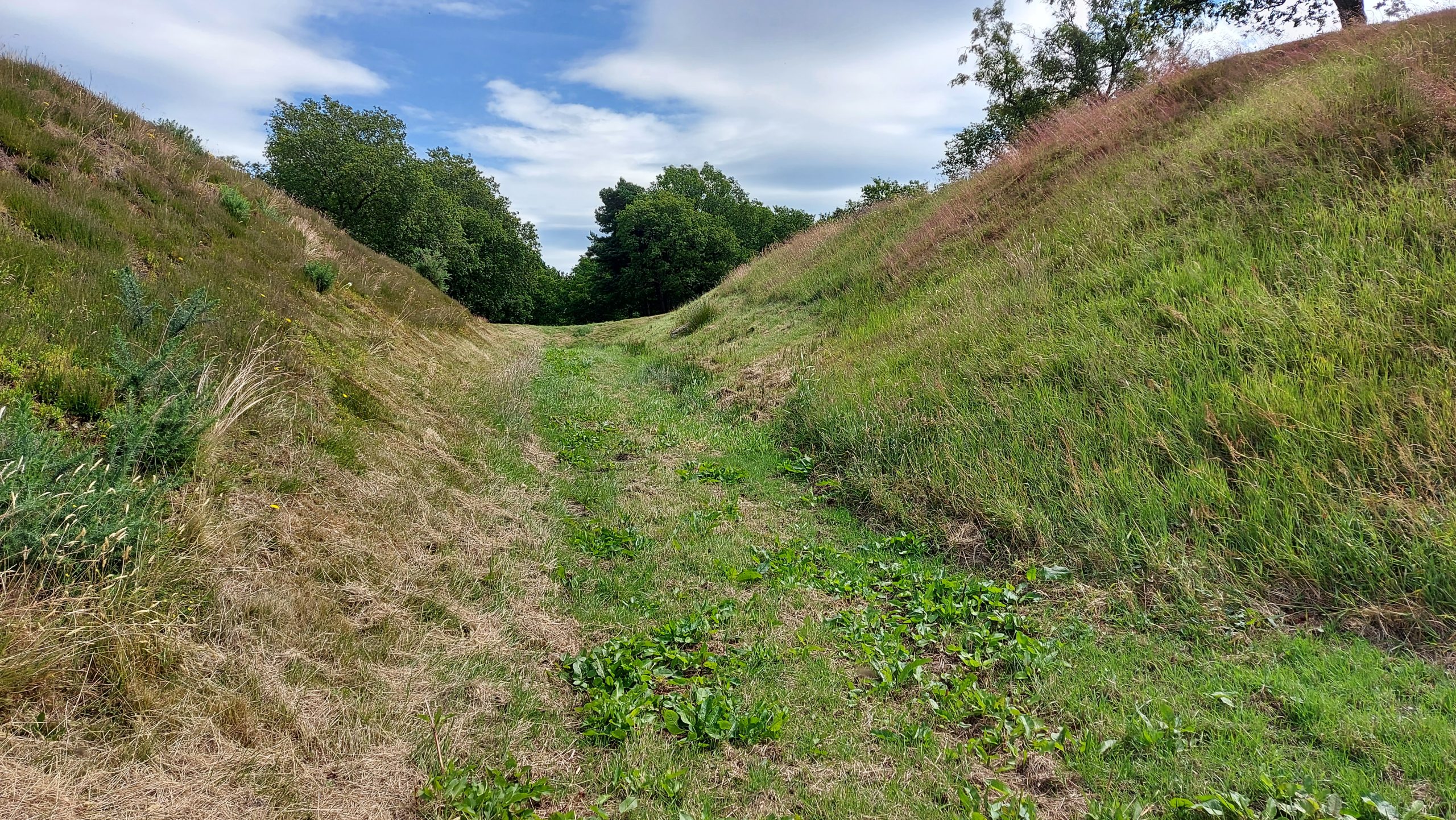
Best for: understanding the defences of the Antonine Wall.
Rough Castle is a rewarding place to see how a fort fitted into Rome’s frontier across central Scotland. Its surviving earthworks make the relationship between fort, rampart and ditch much easier to appreciate than at a site hidden beneath modern development.
Look particularly for the lilia: rows of defensive pits that once held sharpened stakes. Their surviving hollows are a reminder that frontier defences were intended to obstruct and expose anyone approaching them.
Walk slowly around the site rather than heading straight through it. Changes in ground level are part of the archaeology. The nearby Falkirk Wheel provides another possible stop, but the Roman remains deserve a visit in their own right.
Plan your visit: Allow approximately 45–60 minutes, plus the walk from your chosen arrival point. Ground conditions can affect the experience.
Read about Rough Castle · Official visitor information
7. Bearsden Bath House, near Glasgow
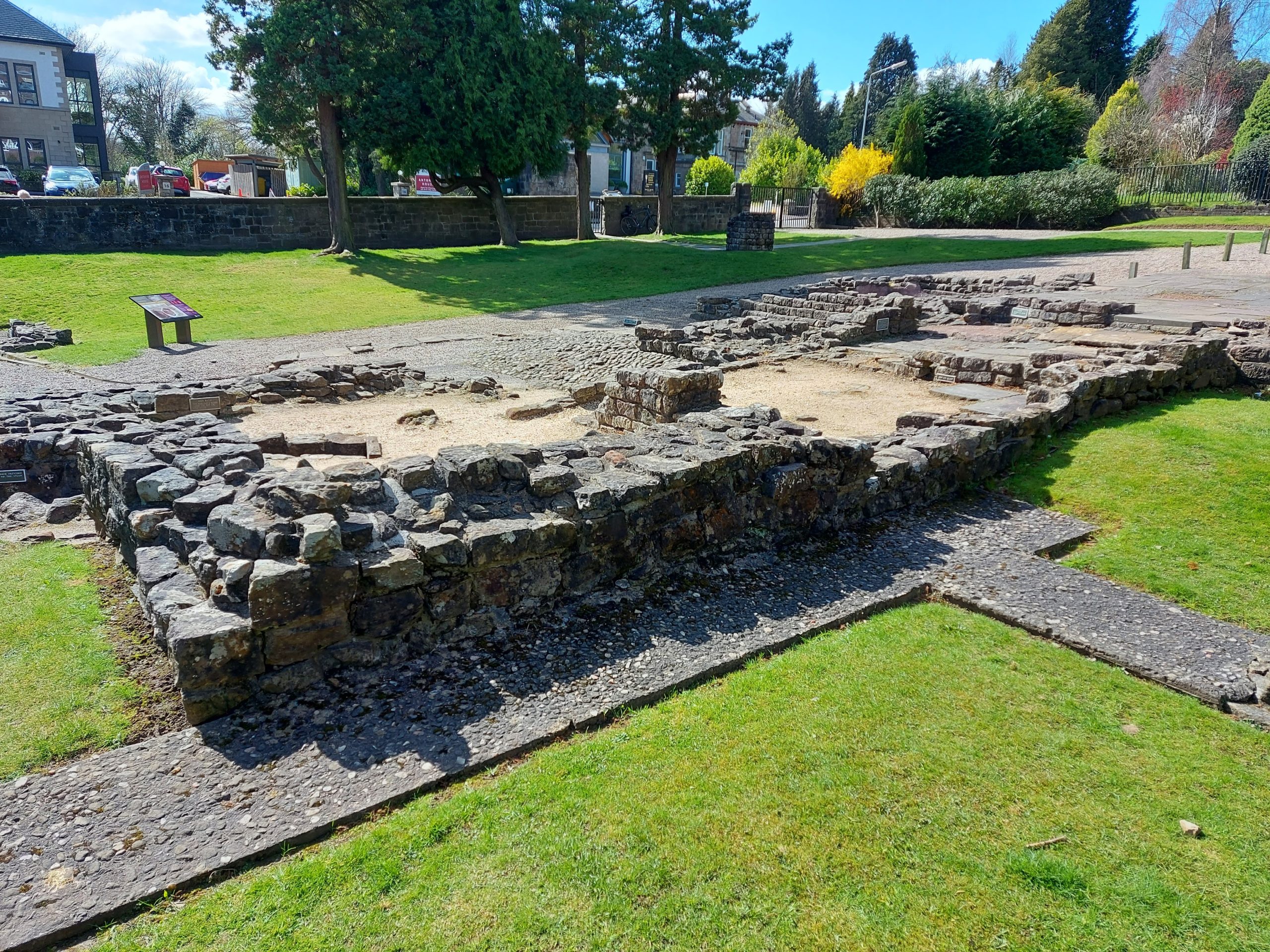
Best for: discovering everyday life on the Roman frontier.
Among modern streets at Bearsden, the exposed bathhouse remains offer a different perspective on military life. Most of the associated fort lies beneath later development, but the bathhouse survives as a place where you can study the outline of a Roman building.
Use the interpretation panels to follow the rooms and imagine the movement of bathers through the building. This was part of the everyday infrastructure supporting the people stationed on the Antonine Wall.
Its compact scale makes Bearsden a useful introduction for visitors who find a whole fort difficult to visualise. It also pairs well with the Hunterian, where objects from the frontier provide further context.
Plan your visit: Allow around 20–40 minutes. Check the official access information when planning your visit.
Read about Bearsden Bath House · Official visitor information
8. The Hunterian Museum, Glasgow

Best for: understanding the Antonine Wall through its inscriptions and sculpture.
The Hunterian’s Antonine Wall collection brings together objects that help explain the building, occupation and eventual abandonment of the frontier.
The distance slabs are a particular highlight. These carved monuments recorded stretches of construction undertaken by the legions and honoured the emperor. Their lettering and imagery also communicated Roman authority and victory. They are evidence for the work of the army and for the story Rome wanted others to believe.
Alongside the monumental stones, the collection explores soldiers’ lives and the interaction between Roman and indigenous communities.
Look closely at one slab rather than trying to absorb them all at once: what does it tell you, and whose perspective is missing?
Plan your visit: Allow about an hour for the Roman displays, with longer for the wider museum.
Read about the Hunterian · The Hunterian’s Antonine Wall resources
9. Ardoch Roman Fort, Braco, Perthshire
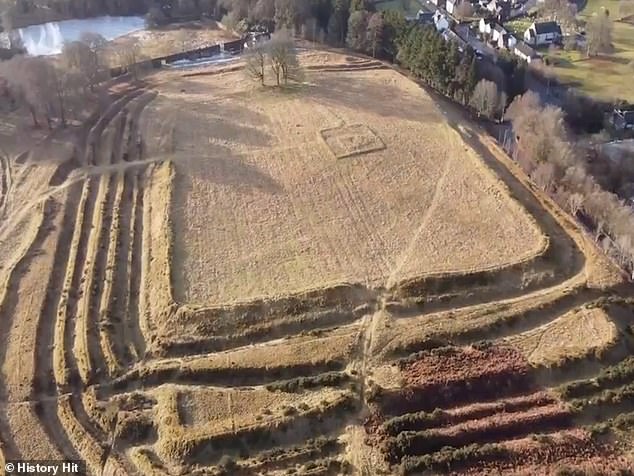
Best for: impressive surviving earthworks.
Ardoch is one of the most striking places in Scotland to appreciate the physical shape of a Roman fort. Its rectangular enclosure and complex surrounding defences remain visible in the landscape.
The banks and ditches are the main attraction. Follow their lines with your eyes, identify the central enclosure and consider the effort required to construct and maintain these defences. The visible remains reflect a complicated history, so they should not all be imagined as a single layout built at one moment.
Ardoch is especially rewarding after visiting a museum: the objects provide the people, while the earthworks provide the setting.
Plan your visit: Allow roughly 45–60 minutes. Expect grass and uneven ground, and check current access arrangements before travelling.
Read about Ardoch Roman Fort · Explore its archaeological background
10. The Gask Ridge, Perthshire
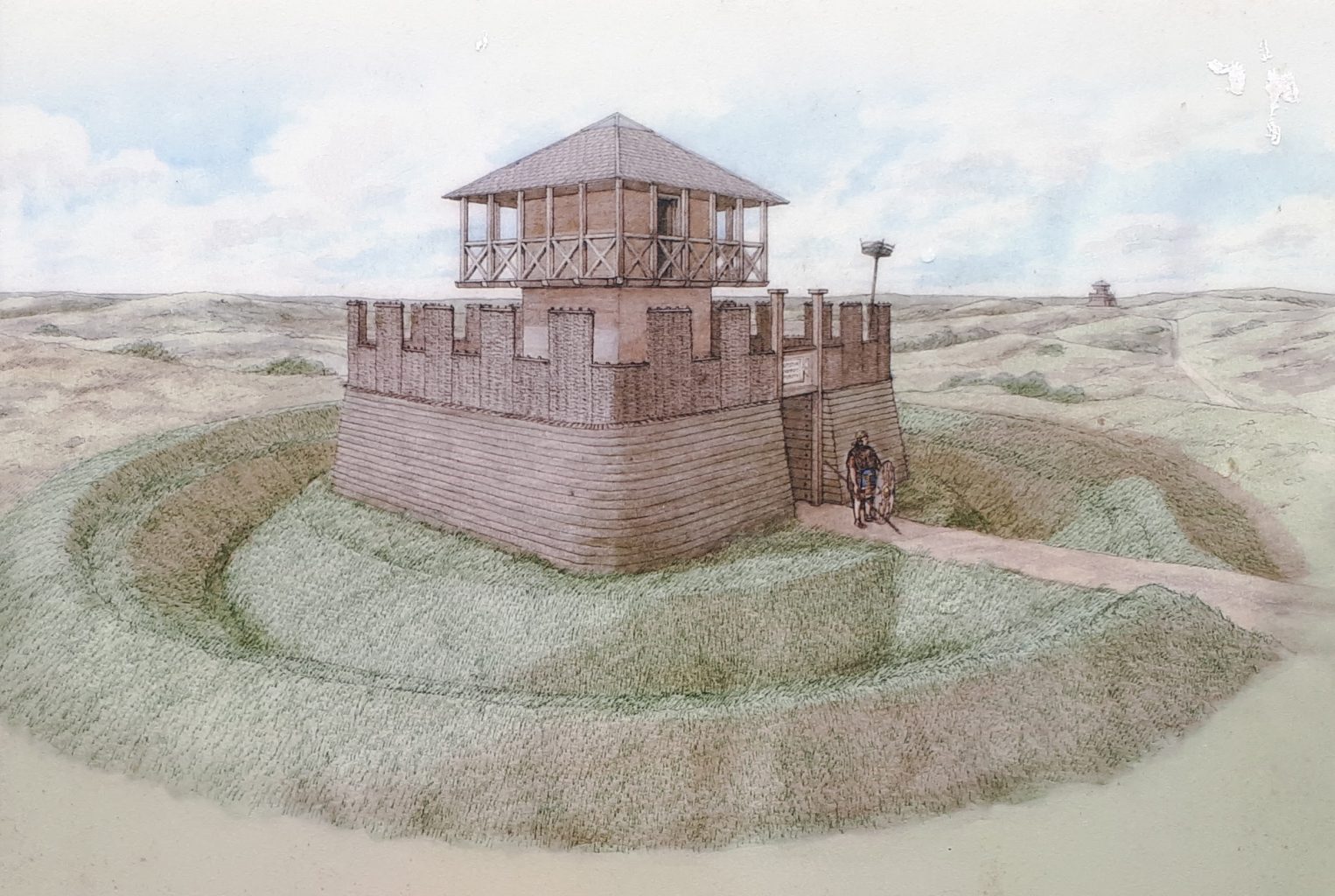
Best for: exploring an early Roman frontier landscape.
The Gask Ridge is a network of places rather than a single attraction. Its Roman road and associated military installations belong to an early stage in the development of frontier systems, before Hadrian’s Wall and the Antonine Wall.
A useful place to begin is Muir o’Fauld Roman Signal Station. The surviving circular mound, ditch and outer bank help make a watchtower site understandable on the ground; a causeway connects it with the ancient road. The timber tower itself has gone.
From there, use a detailed map to plan further exploration. The pleasure comes partly from imagining the connections between installations and the landscape they overlooked.
Plan your visit: Allow 30–45 minutes for a focused stop, or longer for a planned walk. Check individual approaches: there is no single entrance or visitor route covering the whole system.
Read about the Gask Ridge watchtowers · Muir o’Fauld visitor information · Roman Gask Project maps
Choose your own Roman journey
You do not need to visit all ten places to get a rewarding introduction. These regional combinations help connect the remains with the objects found there:
| Area | Places to combine |
|---|---|
| Scottish Borders | Trimontium Museum and fort; add Lyne on a wider Borders trip. |
| Edinburgh | Cramond Fort and the National Museum of Scotland. |
| Falkirk | Rough Castle, with the Falkirk Wheel as a nearby additional stop. |
| Glasgow area | Bearsden Bath House and the Hunterian Museum. |
| Perthshire | Ardoch and selected Gask Ridge sites. |
These are regional groupings, not timed itineraries. Your starting point, transport and preferred walking distance will determine what fits comfortably into a day.
Before you set off
At many Roman sites in Scotland, the archaeology survives as changes in ground level. Take a site plan, allow time to look, and remember that an apparently empty field can conceal a remarkable history.
Visit durations above are approximate and exclude travel. Check official information for opening arrangements, admission, booked activities and accessibility. At outdoor sites, follow local signs, respect crops and livestock, and leave earthworks undisturbed.
For more places to explore, visit Explore Roman Sites or start with the five-minute introduction to Romans in Scotland.

