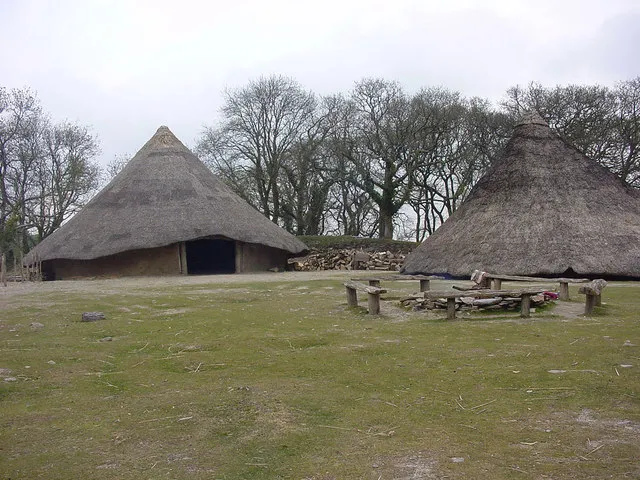
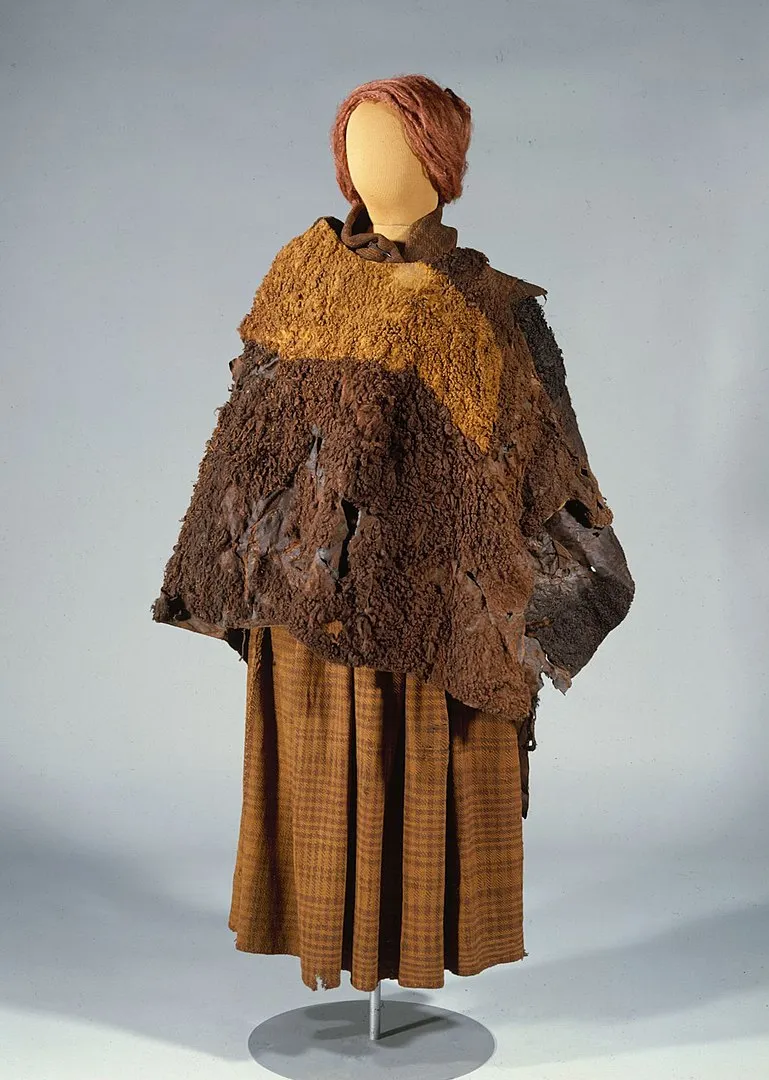
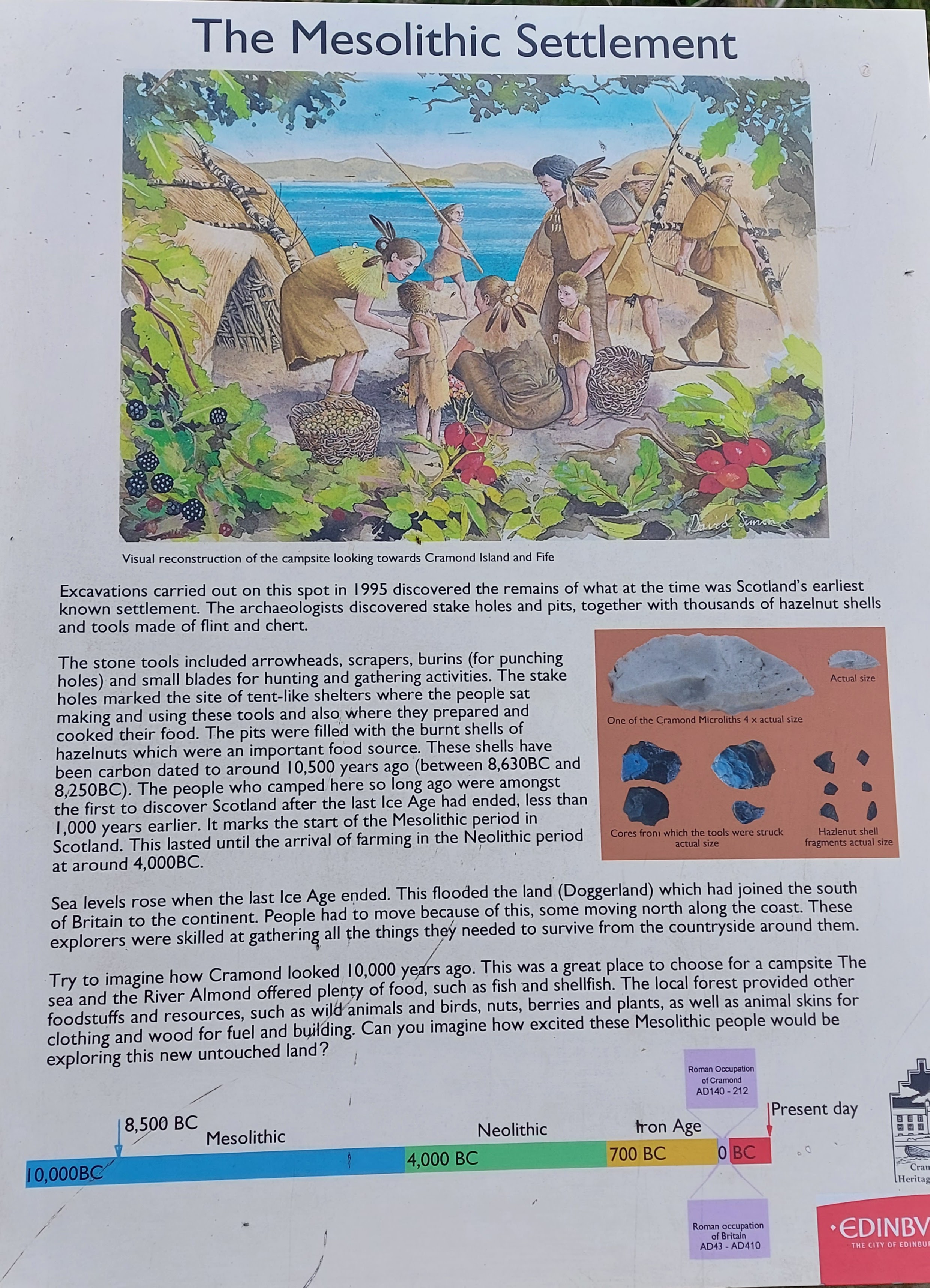
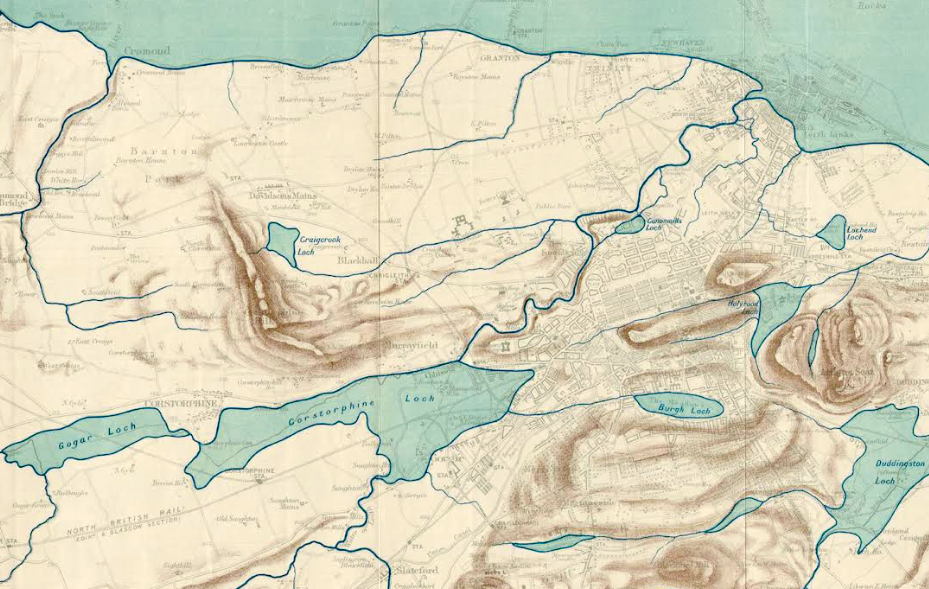
The area around Corstorphine was inhabited long before the Roman army arrived. Prehistoric remains at Cramond and Newbridge help place the local Roman story in a much longer history. The pictures from elsewhere illustrate wider prehistoric life; they are not finds from Corstorphine.
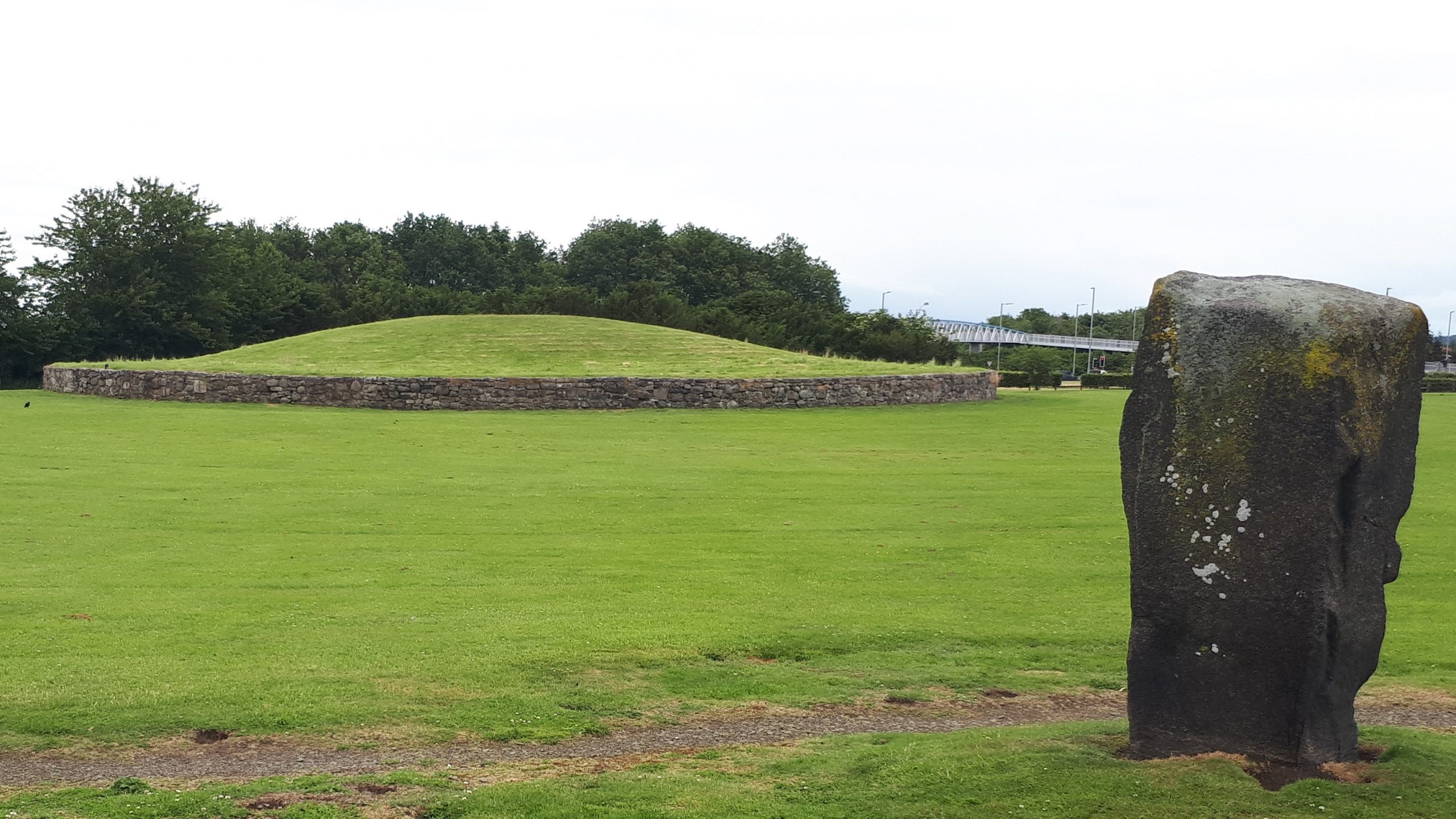
The Newbridge chariot burial dates to the Iron Age, around the fifth century BC — roughly 2,500 years ago. Radiocarbon dates suggest around 520–370 BC.
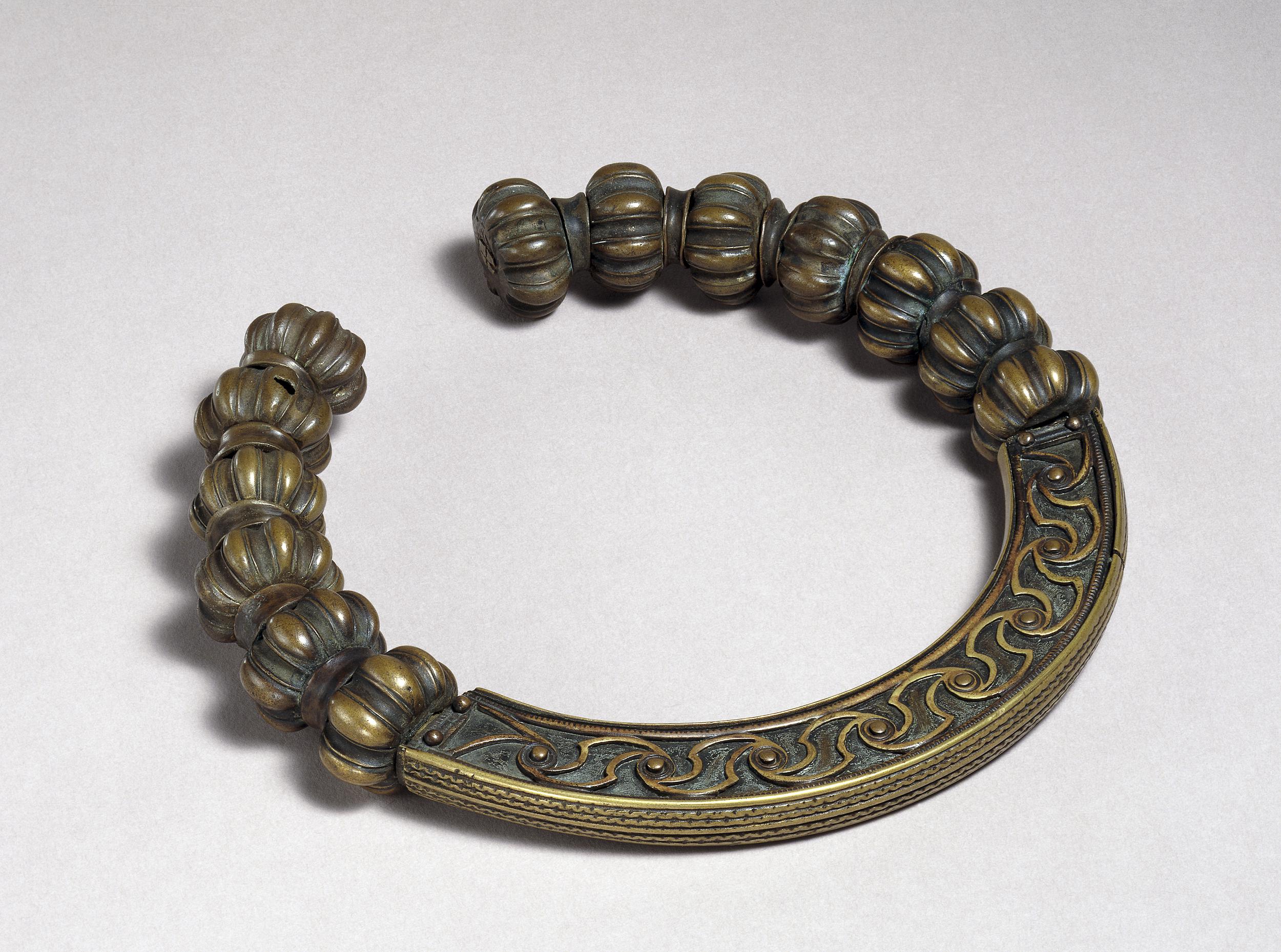
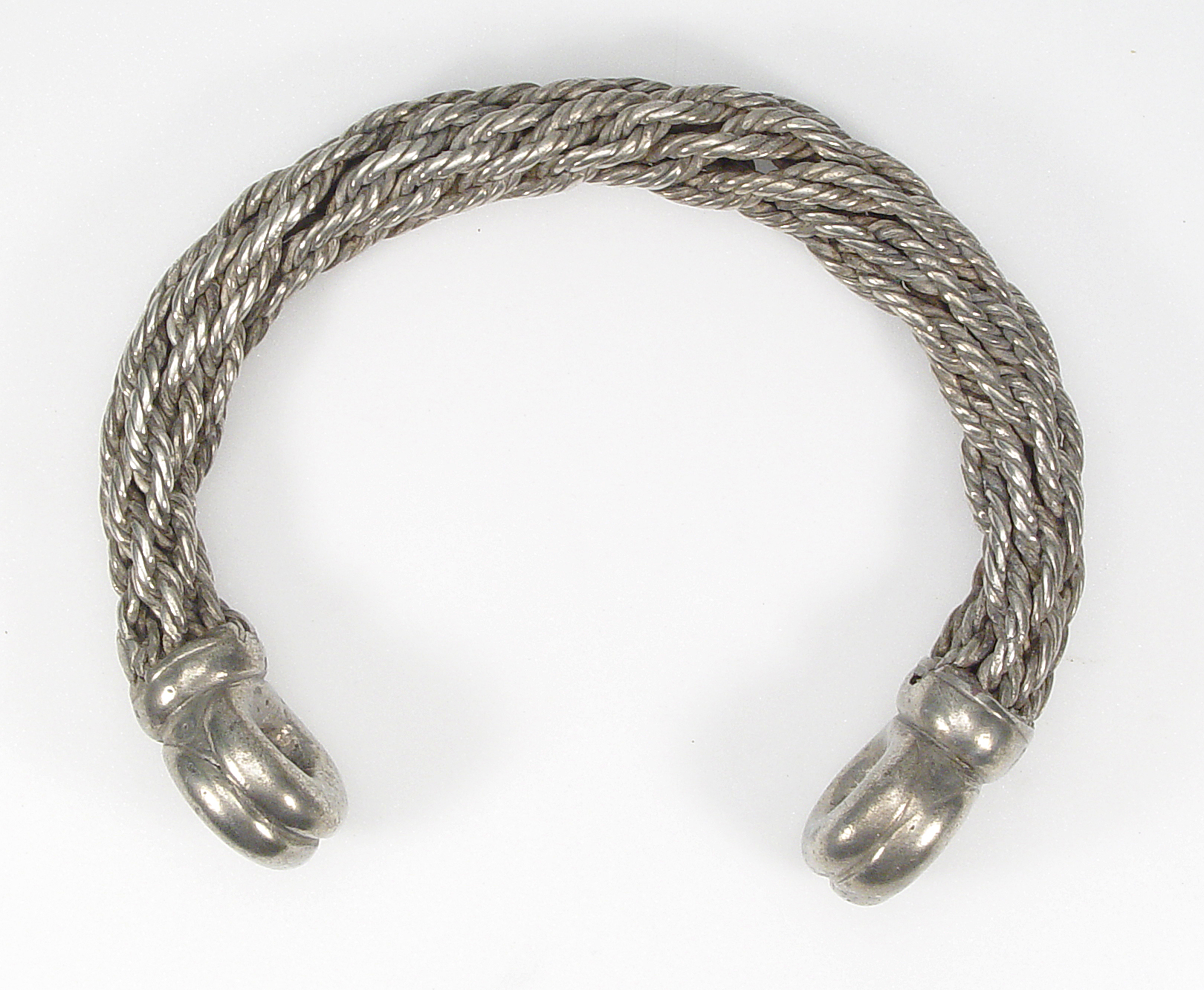
Torcs demonstrate the skill of prehistoric metalworkers. The examples shown here are comparative illustrations, not evidence that these particular objects were worn in Corstorphine.
Roman expansion could bring violence, demands for labour and supplies, and opportunities for trade. The surviving local evidence does not allow us to reconstruct exactly what happened to individual Corstorphine communities.
Further reading
Scottish Archaeological Research Framework: the Newbridge chariot burial

