A local story within Romans in Scotland
A milestone, scattered finds and traces in the landscape connect Corstorphine with Rome’s northern frontier. Explore the evidence, investigate the possible Broomhall fort and discover the much older communities who lived here before the Roman army arrived.
Welcome to the new home of Roman Corstorphine. The local research and learning material are now brought together here, alongside the wider Romans in Scotland collection.
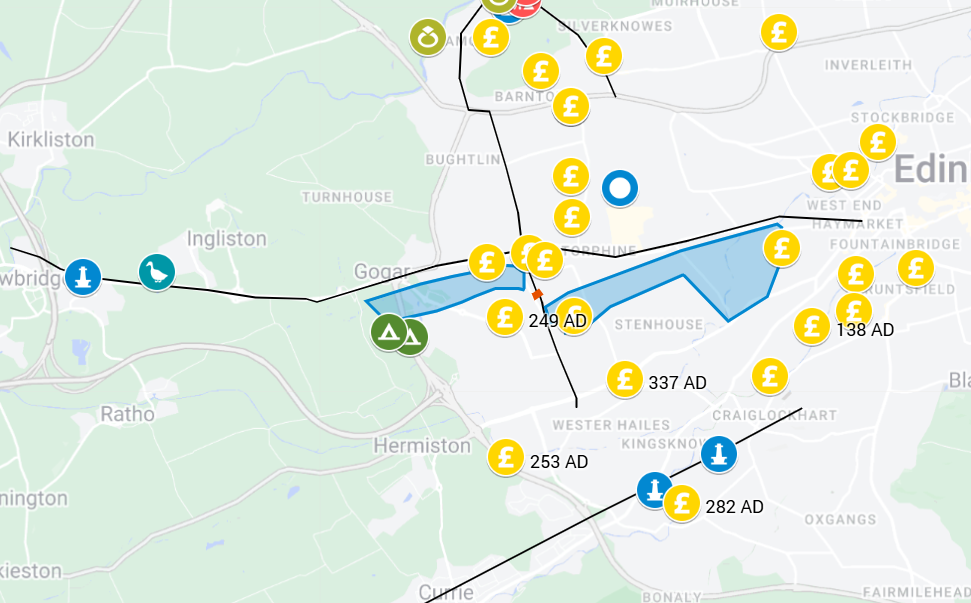
Start with the local story
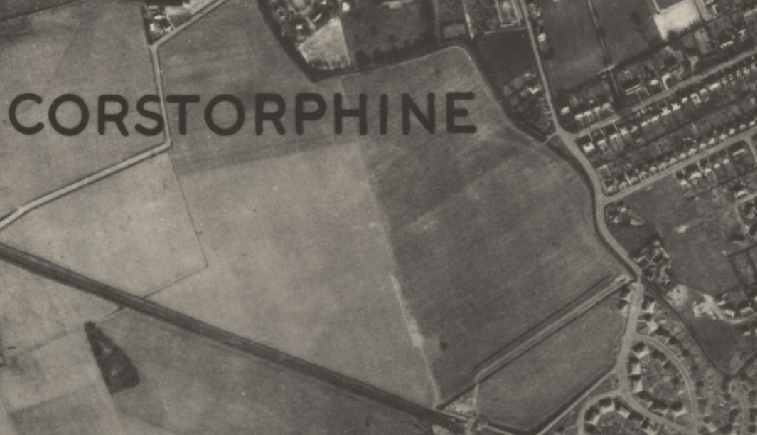
Roads, finds and a possible fort
Read the local evidence and the historical excavation reports. The Roman interpretation of the Broomhall enclosure remains unconfirmed.
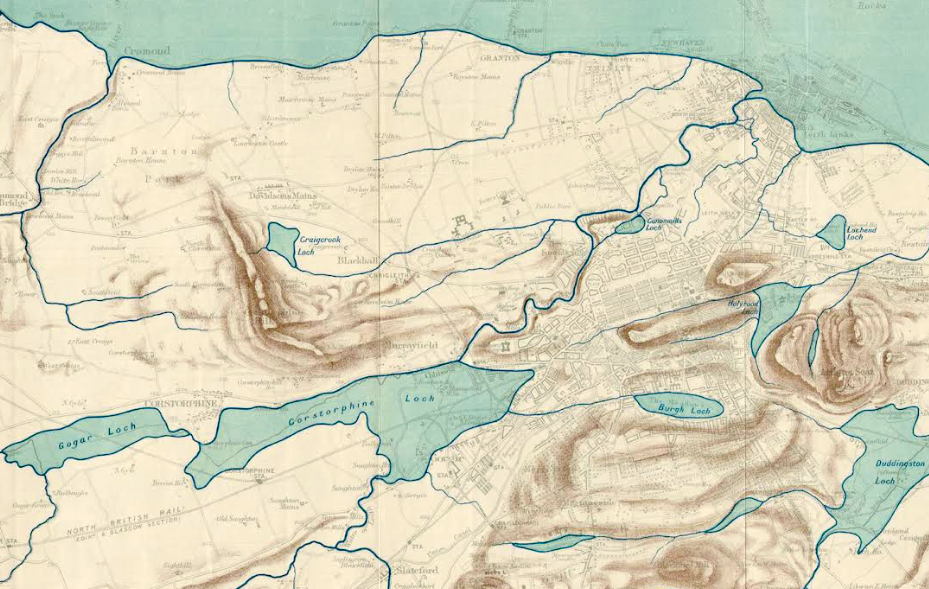
Before the Romans
Explore the former lochs, prehistoric settlement and the remarkable Iron Age chariot burial at nearby Newbridge.
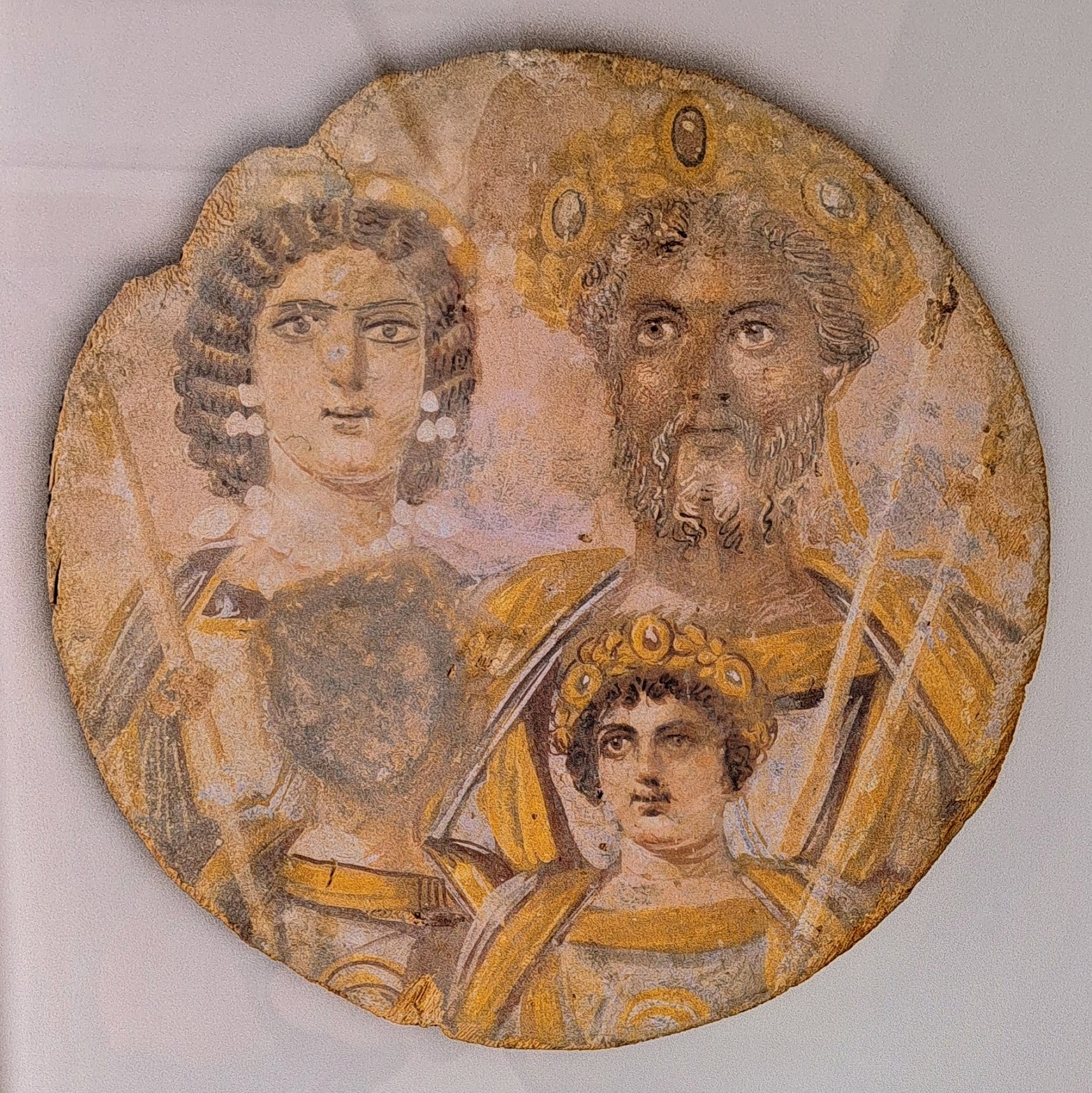
Gladiator II and the real history
Meet Caracalla, Geta and their family, and separate the film’s story from the evidence for Roman campaigning in Scotland.
A clue carved in stone
The Ingliston milestone names the First Cohort of Cugerni and records a distance from Trimontium. Dated to AD 140–144, it connects the area with Roman military road-building. It does not establish the exact route beneath every modern street.
Explore nearby
- Cramond Roman Fort — discover the best-known Roman military site near Corstorphine.
- The Roman road at Newbridge — follow the excavated evidence for the road network.
- The Ingliston eagle story — read Andrew’s account of tracing a local carved stone.
- National Museum of Scotland, Edinburgh — explore the museum guide and its Roman collections.
- Romans around Edinburgh — put Corstorphine in its wider setting.
Put Corstorphine in the wider story
- Romans in Scotland in five minutes
- Agricola and the first northern campaigns
- The Antonine Wall and the AD 140s
- Septimius Severus’s campaigns, AD 208–211
- Roman roads in Scotland
- Where the soldiers came from
Learn, play and investigate
Short introductions and activities from Roman Corstorphine, now part of the wider collection. Try a classroom activity, decode a date or explore the traces of Latin in everyday life.
- Roman numerals — find your birth year
- Roman games — activities to try
- Roman clothing and colouring sheets
- Latin words we still use
- Why our months have Roman names
- Planets and the names of ancient gods
- Roman influences on everyday life
- Roman weapons
For teachers and families
Use the school resources collection for teaching topics, museum activities, comics and downloadable worksheets. The Corstorphine material can support a local enquiry: What is the evidence, and how certain can we be?
More Roman life and places
- Food and drink
- Roman glass
- Bathhouses
- Roman toilets
- Inside a Roman fort
- Roman centurions
- The Caledonians
- Roman gods
- Amphitheatres
- Aqueducts
- Ten Roman sites and museums to visit
Roman Corstorphine was developed by Andrew Wallace in collaboration with, and with the support of, Corstorphine Trust and Friends of St Margaret’s Park. Historical reports, mapped finds and modern interpretations do not all carry the same weight: a possible identification is labelled as such. Share a correction or a new source.

