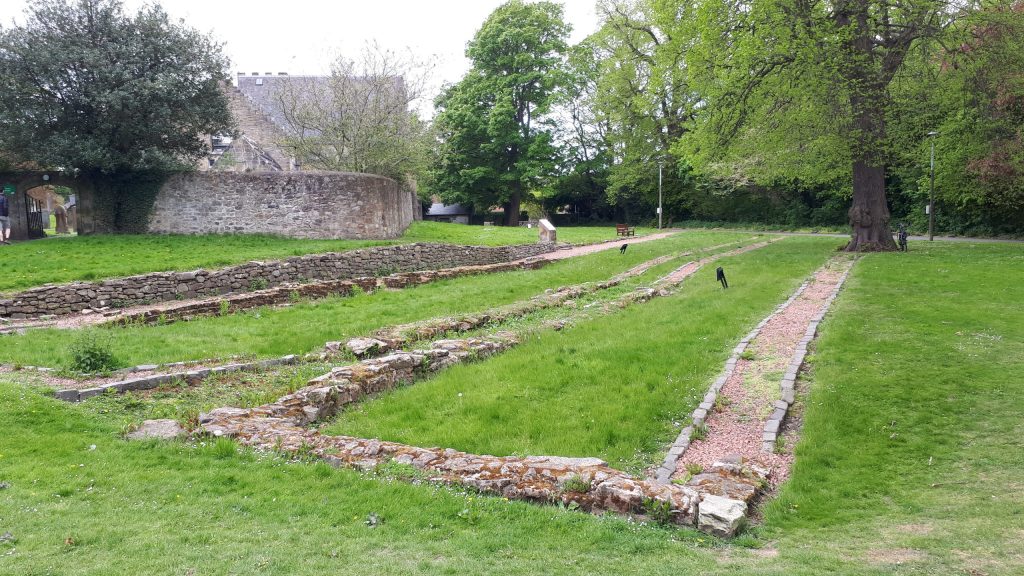
Cramond is an amazing fort which had
Visit Cramond Roman Fort
📍 Location: Cramond, Edinburgh
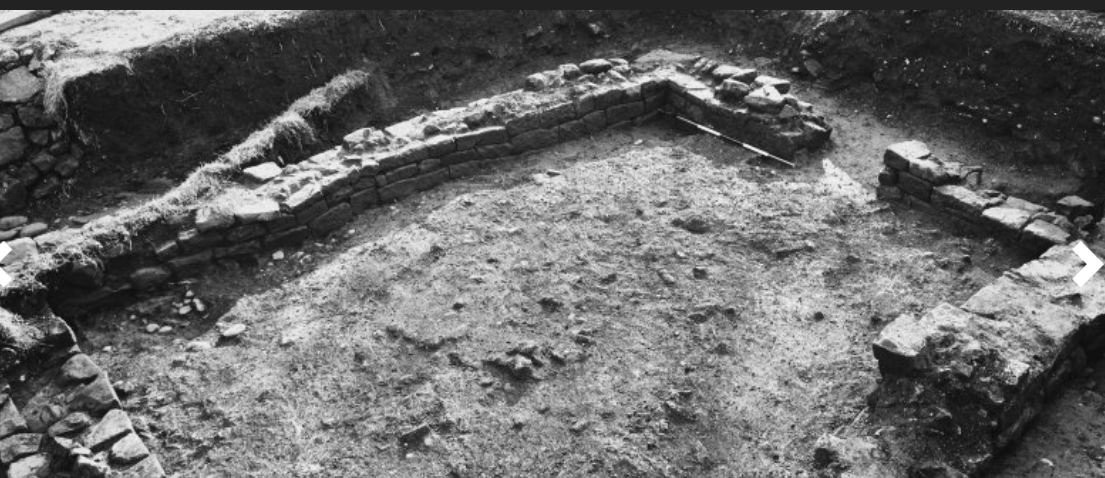
👁 What survives: Parts of the fort complex and associated bath-house archaeology can be appreciated around the village, while extensive remains survive below ground.
⭐ Best for: Combining Roman archaeology with an attractive riverside setting and the remarkable finds from Cramond.
🥾 Visit: An accessible village visit with some outdoor archaeology; surfaces and access vary around the riverside and church area.
🏛 Nearby Roman places: Inveresk, the National Museum of Scotland and Roman sites around Edinburgh
Cramond at a glance
| Occupation | Antonine occupation from the AD 140s, followed by separate Severan occupation around AD 208–211. |
| Garrison | The Second Cohort of Tungrians is represented in the inscription evidence; legionary builders must be distinguished. |
| Size | A reliable phase-specific internal area is not established in the sources summarised here. |
| Troop estimate | No secure numerical estimate is established here; fort area alone cannot determine the number present. |
Inscriptions
RIB 2135 concerns the Mother Goddesses and Second Cohort of Tungrians. Building stones name the Second Legion Augusta. The purported Inventus and Demetrus tombstones require the authenticity cautions discussed below.
References
Roman Inscriptions of Britain: Cramond
The Roman Fort at Cramond, Edinburgh Excavations 1954-1966
Cramond Roman Fort: evidence from excavations at Cramond Kirk Hall, 1998 and 2001
A Group of Roman Surgical and Medical Instruments from Cramond, Scotland
Conference Notes: Cramond Roman Fort: 60 Years of Excavation and Research
- glass windows – the last building in Scotland to do so for 1000 years
- a hospital that left a full set of Roman surgical instruments
- troops from France, Germany and Belgium
- A huge lion statue unique in Scotland
- leather workers, shoe makers, architects, builders and many skilled tradesmen
Cramond, at the mouth of the River Almond, is the location of the 2nd oldest dwelling in Scotland and so has been inhabited for over 10,000 years. The Romans built a fort here during the Antonine Wall period in 142 AD. There was a second round of building during that time and then a further occupation during the invasion of Scotland by the African Emperor Septimius Severus in 208 AD. Cramond Fort is special in that its buildings had windows and is the last known windowed building in Scotland for 1000 years.1
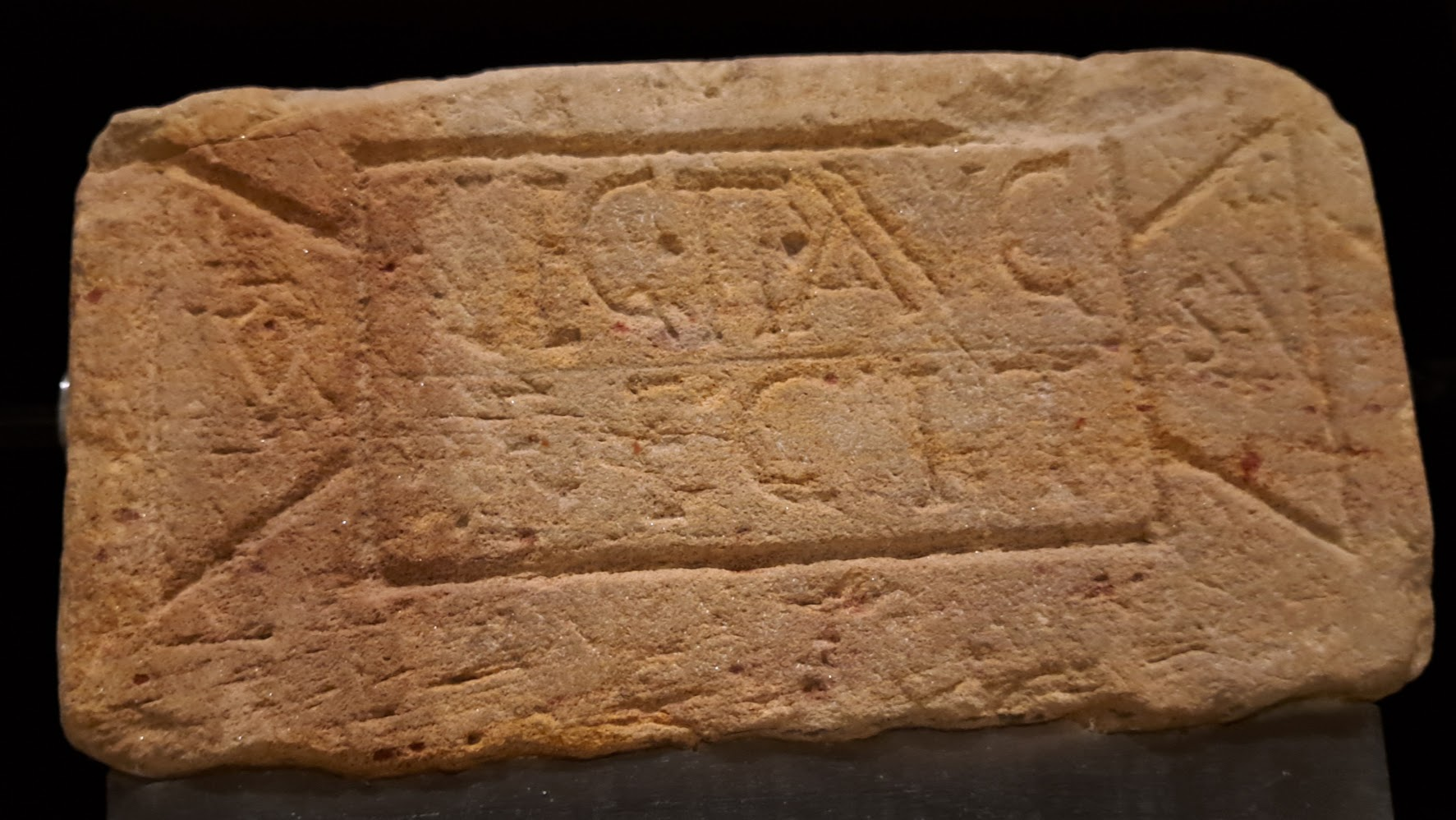
We know from inscriptions that auxiliary units from France, Germany and Belgium were stationed here — the Cugerni and the Second Cohort of Tungrians. See the Altar dedicated to the Mother Goddesses, the Alatervae (?) and the Mother Goddesses of the Parade-ground
The road out of Cramond will have had tombstones like all forts across the empire. A lavish tombstone of imported Italian marble was found here for a slave boy, Inventus, but is thought to be a fake. A similar fake Tombstone for Demetrus was also found for a Thracian woman.
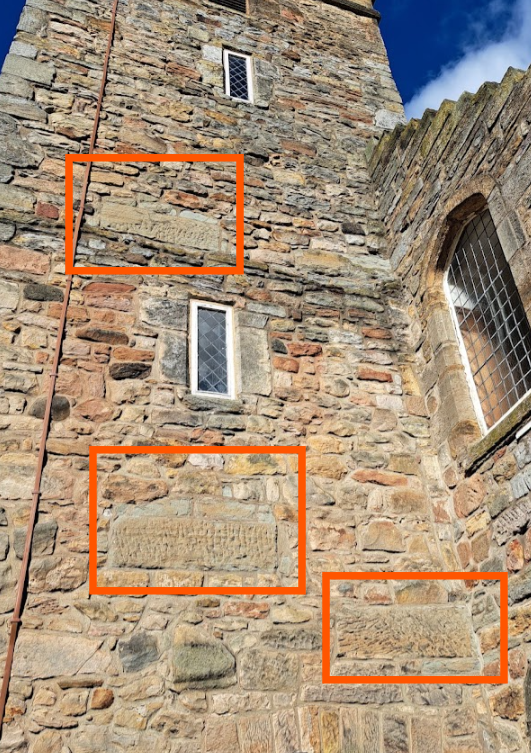
Military Units
- 2nd Legion Augusta
- Fifth Cohort of Gauls from France in 142 AD
- 2nd Cohort of Tungrians from Belgium
References
- Cramond | Canmore
- Cramond SCRAN
- Cramond Roman Fort (Wikipedia)
- Tombstone for Inventus
- The Roman Fort at Cramond, Edinburgh Excavations 1954-1966
- Cramond Roman Fort: evidence from excavations at Cramond Kirk Hall, 1998 and 2001
- A Group of Roman Surgical and Medical Instruments from Cramond, Scotland
- Objects found in Cramond ( National Museum of Scotland)
- Conference Notes: Cramond Roman Fort: 60 Years of Excavation and Research (2015)

