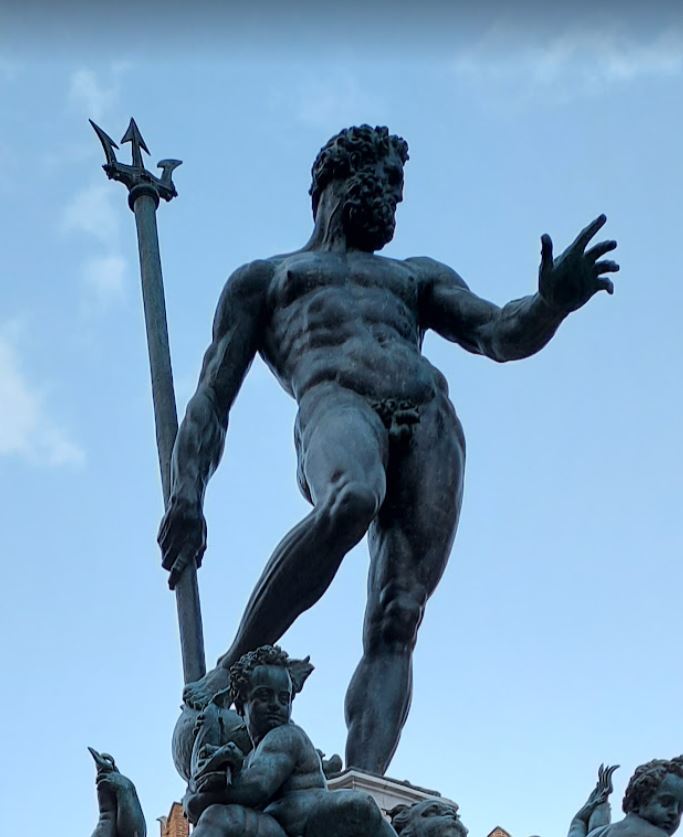
Neptune is a prominent deity in Roman mythology, associated with the sea, freshwater, horses, and earthquakes. He is the Roman counterpart of the Greek god Poseidon and holds similar attributes and domains.
Every Neptune altar in the British set comes from a military or naval site. Six of the seven are concentrated in the northern military zone, including Scotland; Lympne is the exception geographically, but it strengthens the pattern because its dedicator commanded the British fleet

There is also an unmistakable military mobility element. The Newcastle altar was erected by a legion newly arrived in Britain; Lympne by a fleet commander; Castlecary by an auxiliary regiment whose origins lay far from Scotland. That looks less like a locally inherited cult and more like a Roman military habit of invoking Neptune when troops encountered significant bodies of water, crossings, harbours or water-management problems.
Neptune in Roman Britain seems unusually associated with the military occupation of watery places — ports, river crossings, coastal forts and frontier forts beside water — and this has very good parallels on the Rhine-Danube frontiers and elsewhere in the Empire.
A map of the Neptune military altars shows four on the Danube in Pannonia (Austria/Hungary), the highest concentration other than around Hadrian’s Wall.

Neptunes Features
Neptune is often depicted as a powerful, bearded deity with a regal, authoritative presence. As the god of the sea, he holds a trident, a three-pronged spear that symbolises his dominion over the waters. He is typically shown riding in a chariot pulled by sea horses or dolphins, further emphasising his connection to marine life.

Neptune’s domain is primarily the sea, including the oceans, rivers, and other bodies of water. He governs the vast depths and the creatures that inhabit them. Sailors, fishermen, and seafarers would invoke Neptune’s protection and seek his favour to ensure safe voyages and bountiful catches.
Aside from his association with the sea, Neptune is also connected to freshwater sources such as lakes and springs. He is considered the provider of freshwater and is revered as the god of rivers and fountains.
Neptune’s influence extends beyond water-related domains. He is also associated with horses and horsemanship, often referred to as the “Earth-Shaker” due to his ability to cause earthquakes. Horses were believed to be sacred to Neptune, and he is frequently depicted with horses or chariots pulled by them.
In Roman society, Neptune was worshipped as a powerful deity. Temples dedicated to him were built near bodies of water, particularly along the coastlines. The most renowned temple honouring Neptune is the Circus Flaminius in Rome, which includes a large statue of the god. Neptune was also celebrated during various festivals, such as the Neptunalia, which took place in July and involved offerings and sacrifices to appease the god and ensure his protection.
Neptune embodies the vastness, power, and unpredictable nature of the sea. He represents both its benevolent and destructive aspects. As a deity associated with water, horses, and earthquakes, Neptune held significant influence in the lives of ancient Romans and played a vital role in their mythology and religious practices.
References


