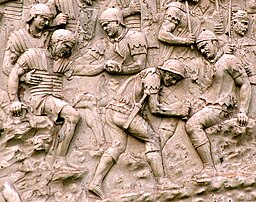
Roman medicine and surgery were advanced for their time, influenced heavily by earlier Greek practices but adapted and expanded to meet the needs of the Roman Empire. In Scotland, many forts had a hospital block to treat soldiers. The Vindolanda tablets have a report from the first cohort of Tungrians who say that out of 752 soldiers, 6 are wounded, 10 are suffering from inflammation of the eyes and 15 others are sick.
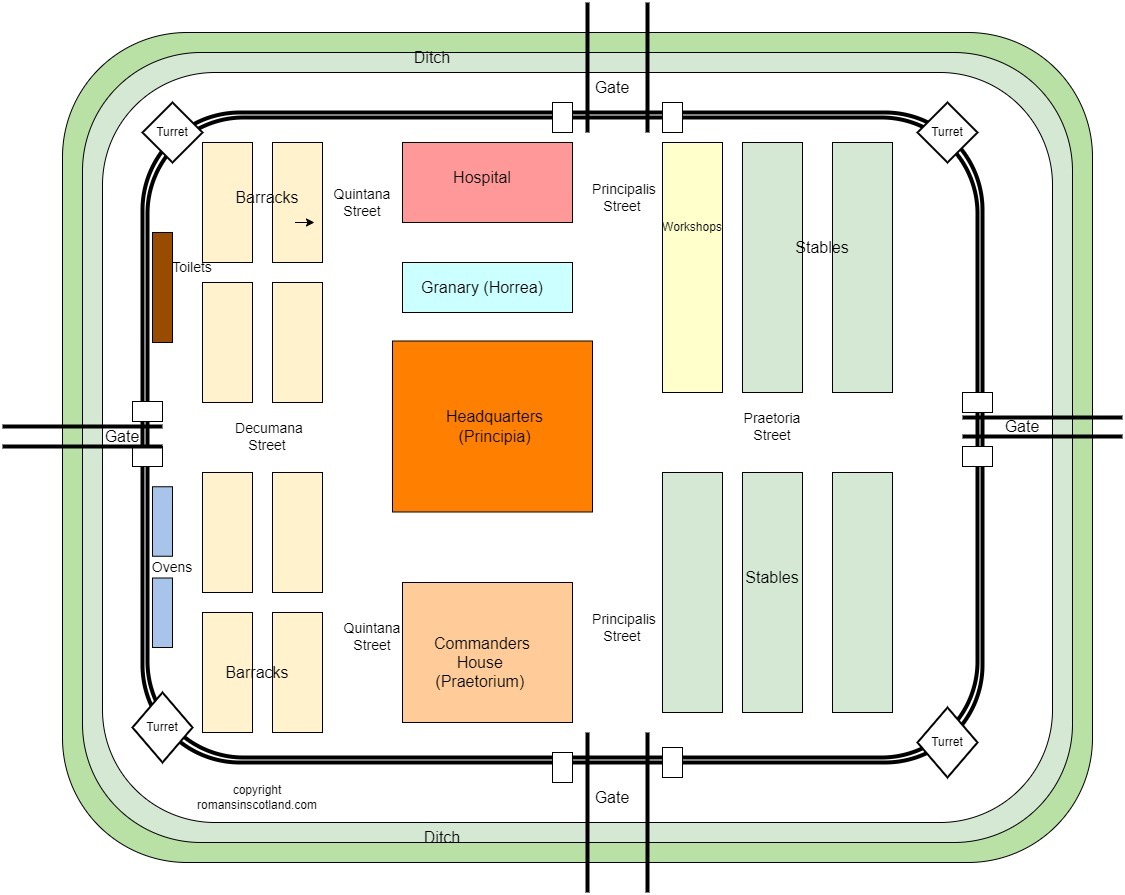
Medicine in Roman Society
- Greek Influence: Roman medicine was deeply influenced by Greek practices, especially the works of Hippocrates and later, Galen, a prominent Greek physician who worked in Rome. Greek physicians were highly respected in Roman society.
- Public Health: The Romans placed a strong emphasis on public health, building aqueducts, public baths, and sewage systems to improve hygiene. They believed that cleanliness was essential for preventing disease, a concept derived from the Greek idea of “miasma” or bad air as a cause of illness.
- Medical Schools and Education: There were medical schools in Rome, and medical knowledge was passed down through texts and apprenticeships. However, there was no formal licensing, so the quality of care varied.
- Medical Treatments: Treatments included herbal remedies, dietary regulations, and exercise. Common remedies were made from plants like garlic, fennel, and poppy. They also practised bloodletting and used various concoctions for wound care and pain relief.
Roman Surgery
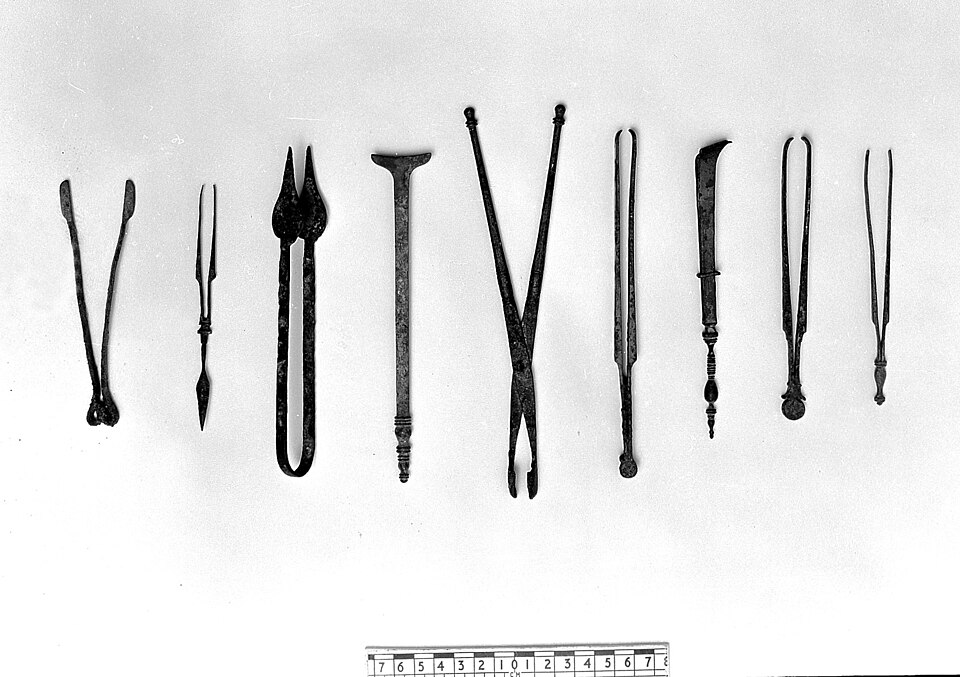
- Surgical Tools: Roman surgeons had a wide array of surgical instruments, many of which are recognisable today, such as scalpels, forceps, bone drills, and catheters. These tools were typically made of bronze, iron, or even silver.
- Battlefield Surgery: Due to the frequent wars, Roman surgeons became adept at treating battlefield injuries. They could set broken bones, perform amputations, and remove projectiles from wounds. They also practised trepanation, drilling holes in the skull to relieve pressure.
- Anaesthesia and Pain Management: Pain relief was limited, but they used opium poppies and mandrake root as anaesthetics, though their effectiveness was variable. Alcohol was also used to dull pain.
- Hygiene in Surgery: Roman surgeons were aware of the need for cleanliness, although they did not understand germ theory. They would often wash wounds with vinegar or wine, which had some antiseptic properties.
- Hospital System: Romans established “valetudinaria,” which were early forms of military hospitals where soldiers could recover from injuries. These hospitals were strategically placed near battlefields or forts.
Public Health Initiatives
- Aqueducts: Aqueducts provided cities with fresh water, which was crucial for maintaining public health.
- Sewers and Baths: The construction of extensive sewer systems like the Cloaca Maxima in Rome helped manage waste and prevent the spread of disease. Public baths were not only for cleanliness but also served as social centres.
Influential Figures
- Galen: A Greek physician who worked in Rome and significantly influenced Roman medicine. He conducted animal dissections to understand human anatomy and wrote extensively on medical subjects, combining the works of earlier Greek doctors with his observations.
- Celsus: A Roman encyclopedist whose work “De Medicina” is one of the best sources of information on Roman surgical practices and medical knowledge.
Limitations and Beliefs
- Superstition and Religion: Despite their advanced practices, Romans still held superstitious beliefs and often sought the help of gods and divine intervention for healing. Temples dedicated to healing gods like Asclepius were popular.
- Limited Knowledge of Anatomy: Although they performed surgeries and had a basic understanding of anatomy, their knowledge was limited by religious prohibitions against human dissection, leading to reliance on animal dissection and sometimes inaccurate theories.
Roman medicine and surgery were sophisticated, blending practical knowledge with the theoretical framework provided by Greek predecessors. Their innovations in public health and surgical techniques laid important groundwork for future developments in medicine.
Surgery, hospitals, baths, parasites and the realities of frontier health
Roman medicine combined practical experience with ideas inherited particularly from Greek medicine.
Doctors could treat wounds, set bones, perform surgery and prescribe drugs.
The Roman army had a particular reason to develop organised medical care.
Soldiers were expensive to recruit and train.
Keeping them alive mattered.
Military hospitals
Large Roman forts could include purpose-built hospitals known as valetudinaria. They contained rooms or wards arranged so sick and injured soldiers could be treated away from the barracks.
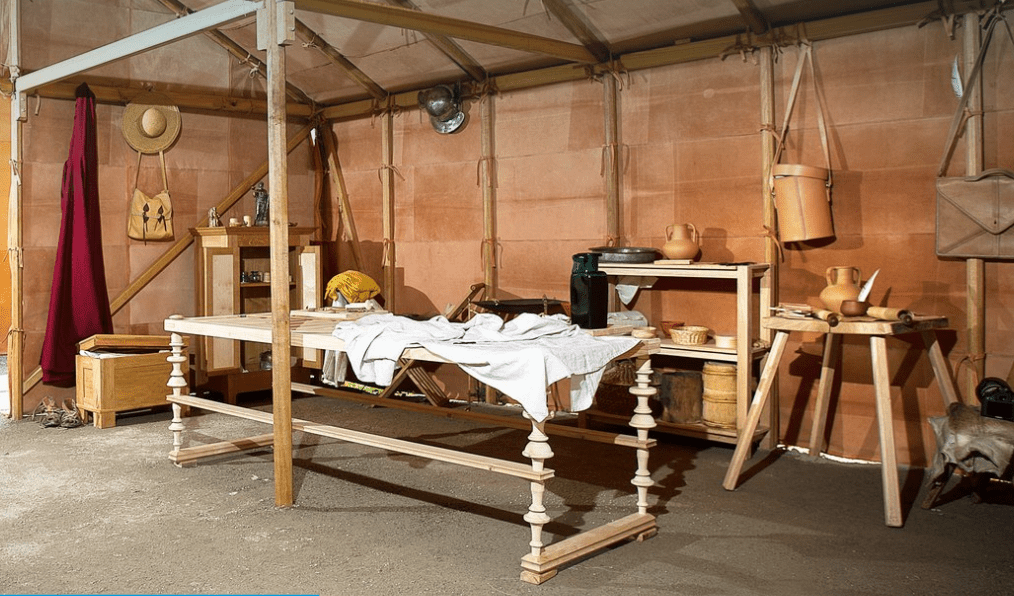
One of the most important medical sites in Scotland is Cramond. Cramond produced evidence for a hospital and an important collection of Roman surgical instruments.
Surgery
Roman surgeons possessed specialist equipment.
Instruments could include:
scalpels, probes, forceps, hooks and other tools for treating wounds and carrying out operations.
Roman surgery could be sophisticated, particularly within the military.
But without modern anaesthetics, antibiotics or an understanding of microorganisms, surgery remained painful and dangerous.
Baths and health
Bathhouses were partly social institutions, but cleanliness was also connected with ideas about health.
Most Roman military bathhouses took bathers through a sequence of heated and cold rooms.
Sweat, oil and dirt could be removed before bathing.
Toilets and sanitation
Roman forts could have impressive drainage and communal latrines.
At Bearsden, water from the bathhouse helped flush waste through the latrine.
On the surface, this looks remarkably modern.
But archaeology demonstrates the limits of Roman sanitation.
The soldiers had worms
Microscopic examination of sewage at Bearsden identified the eggs of:
whipworm and roundworm.
Both are intestinal parasites transmitted through contaminated material.
A human flea was also found.
So even soldiers living in a fort with baths, drains and a flushing latrine suffered from parasites. Roman engineering improved daily life. It did not create a disease-free environment.
Moss instead of a sponge?
Moss fragments found in the Bearsden sewage may have been used for personal cleaning.
If so, this may actually have been safer than repeatedly sharing cleaning implements.
It is another example of archaeology revealing the intimate details of daily life which written history almost never records.
Food as medicine
The distinction between food and medicine was not always clear.
Plants were used both as ingredients and because they were believed to have medicinal properties.
Celery, for example, occurs among the plant remains at Bearsden.
Common mallow may also have been consumed for perceived health benefits.
Roman treatment combined observation, traditional herbal remedies and medical theories that would now be considered incorrect.
Battlefield medicine
The Roman army operating in Scotland faced wounds from:
swords, spears, arrows and accidents.
But military doctors probably spent much more time dealing with ordinary illness, infection, digestive problems and injuries than dramatic battlefield surgery.
Cold, damp conditions and crowded barracks brought their own challenges.
What archaeology can tell us
Medicine leaves less obvious archaeological traces than forts or weapons.
Evidence comes from:
medical instruments, hospital buildings, human remains, parasites, plant remains and sanitation systems.
Together they reveal a military organisation which took healthcare seriously while remaining constrained by ancient understanding of disease.
Explore
Cramond Roman Fort and its medical evidence
References
- A short guide to buildings within the fort (including the hospital)
- The Hospital Layout ( Housesteads Fort)
- The Roman Army Medical Service
- Military Hospital ( Museum Aargau Switzerland)
- A Military Strength Report from Vindolanda, Alan K. Bowman, J. David ThomasThe Journal of Roman Studies Vol. 81 (1991), pp. 62-73 (13 pages)
- Strength Report of the First Cohort of Tungrians (Roman Inscriptions of Britain)

