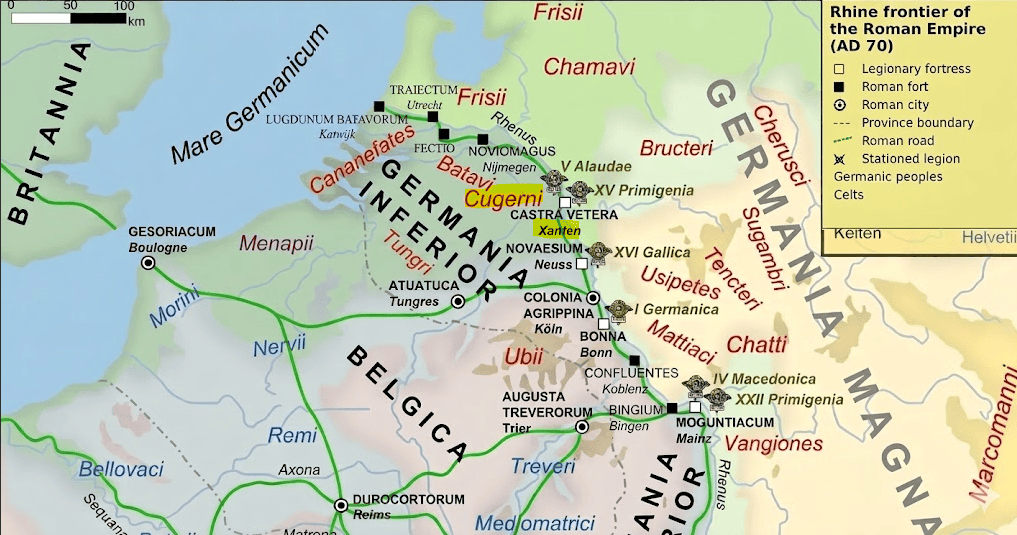
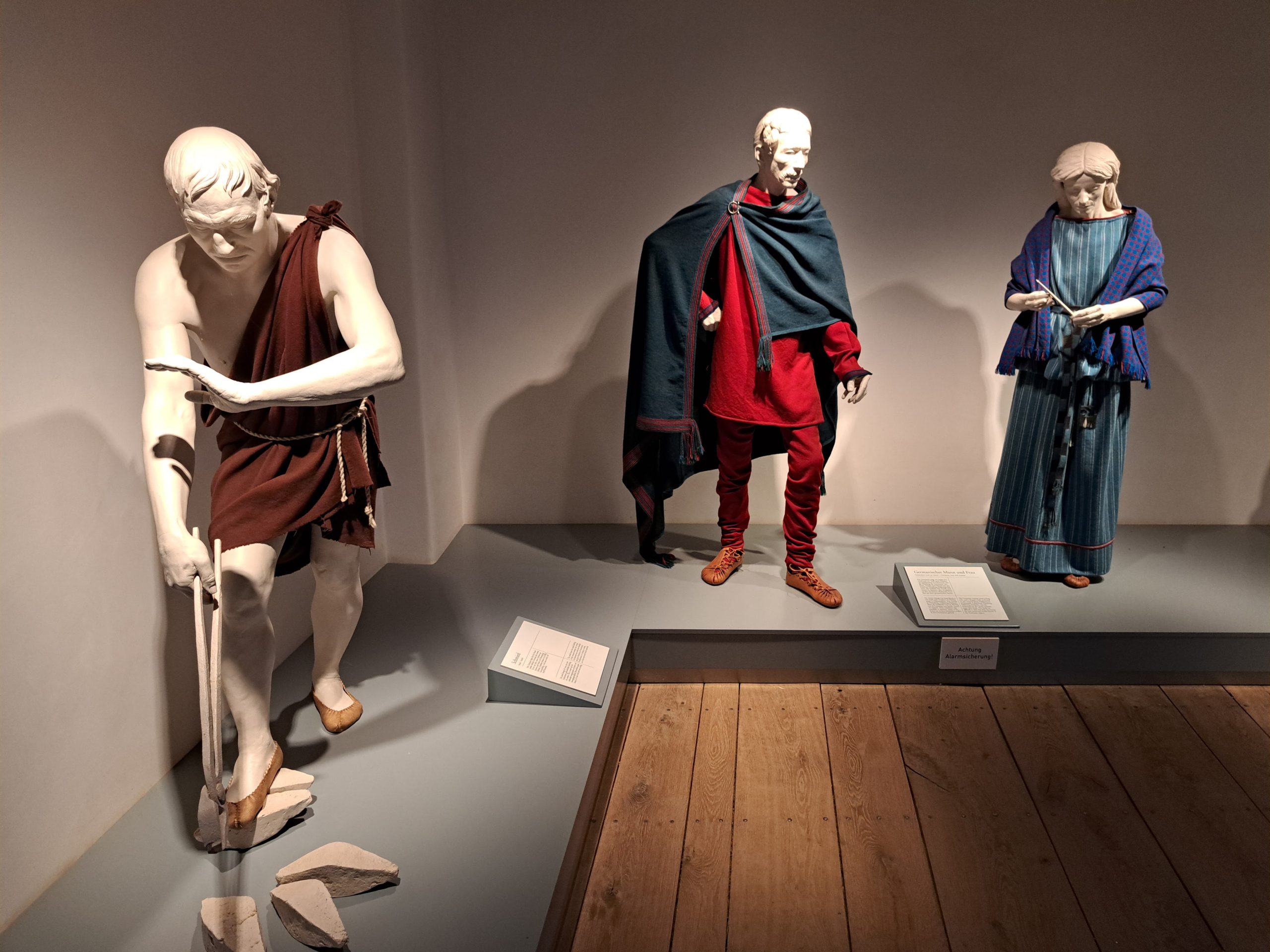
This tribe lived by the Rhine around the modern-day town of Xanten. They were adjacent to the Batavians and Tungrians and travelled to Scotland to build the road west out of Edinburgh
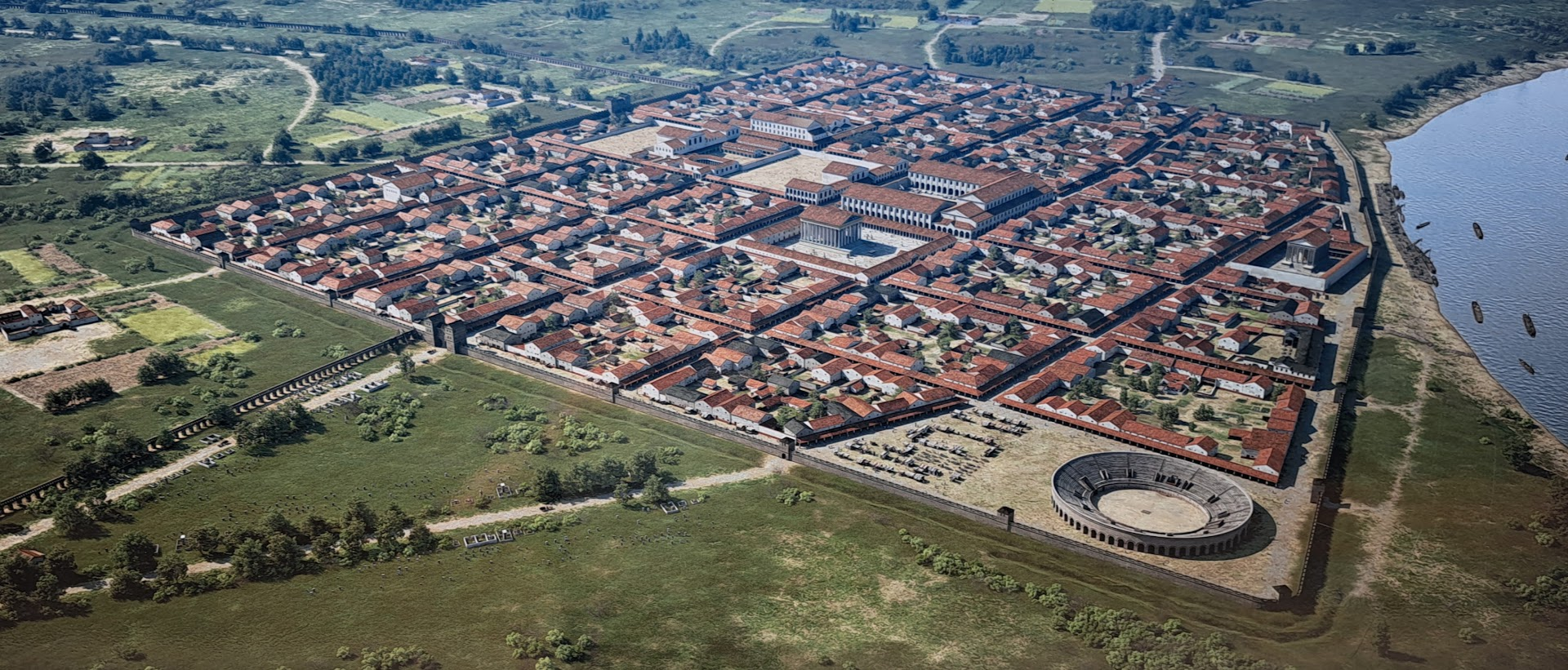
There are many links from this area to Britain and Scotland. Many of the auxiliary units came from this area – the Batavians from the Nijmegen area, the Cugerni from Xanten further down the Rhine, and the Tungrians.
The 6th Legion, Legio VI Victrix Vetera II, also served in Xanten c. 89–121 AD before being transferred to Eboracum (York) AD 122+ with Hadrian, who built Hadrian’s Wall (122–130). Then they later helped build the Antonine Wall (142).
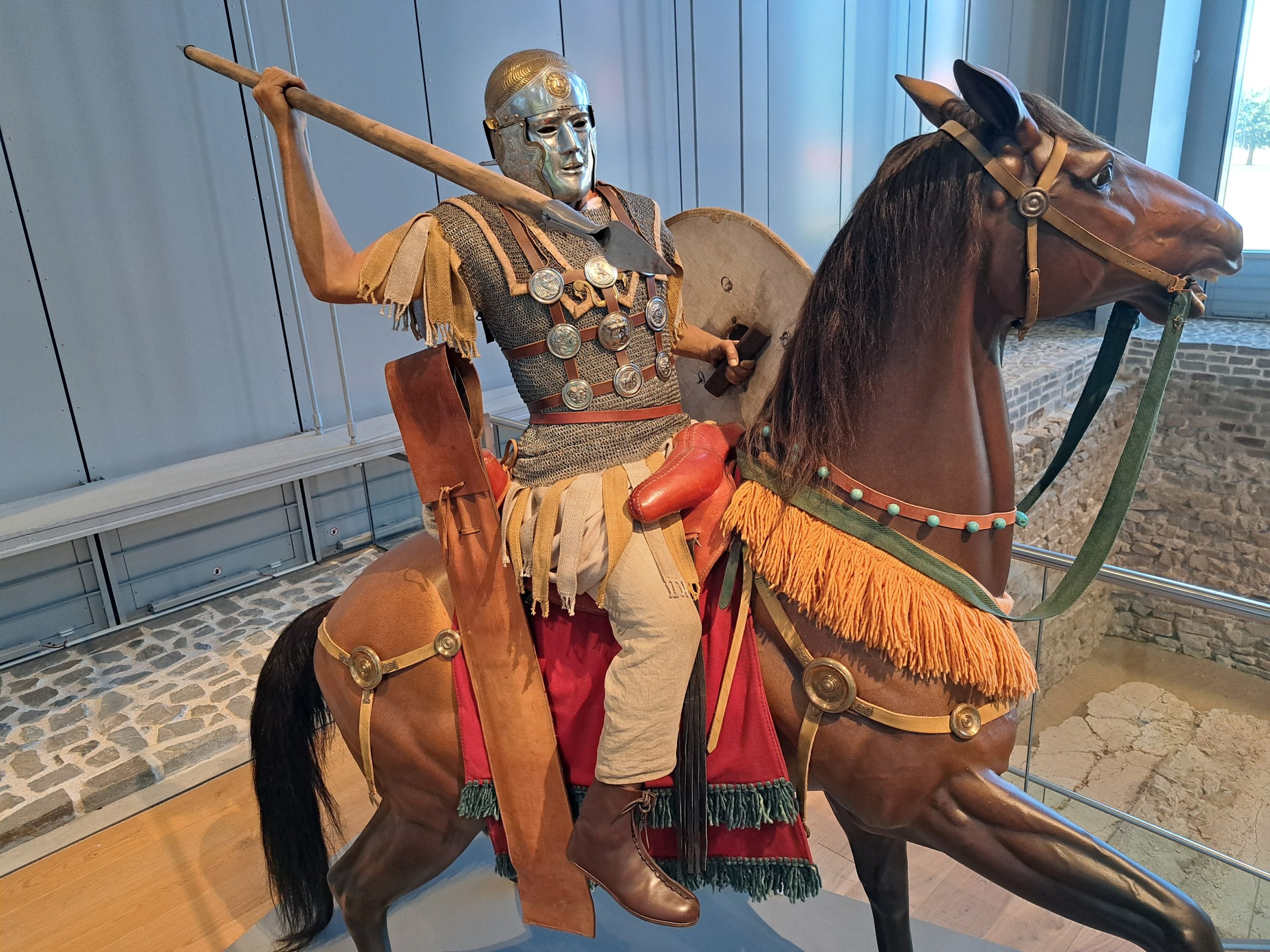
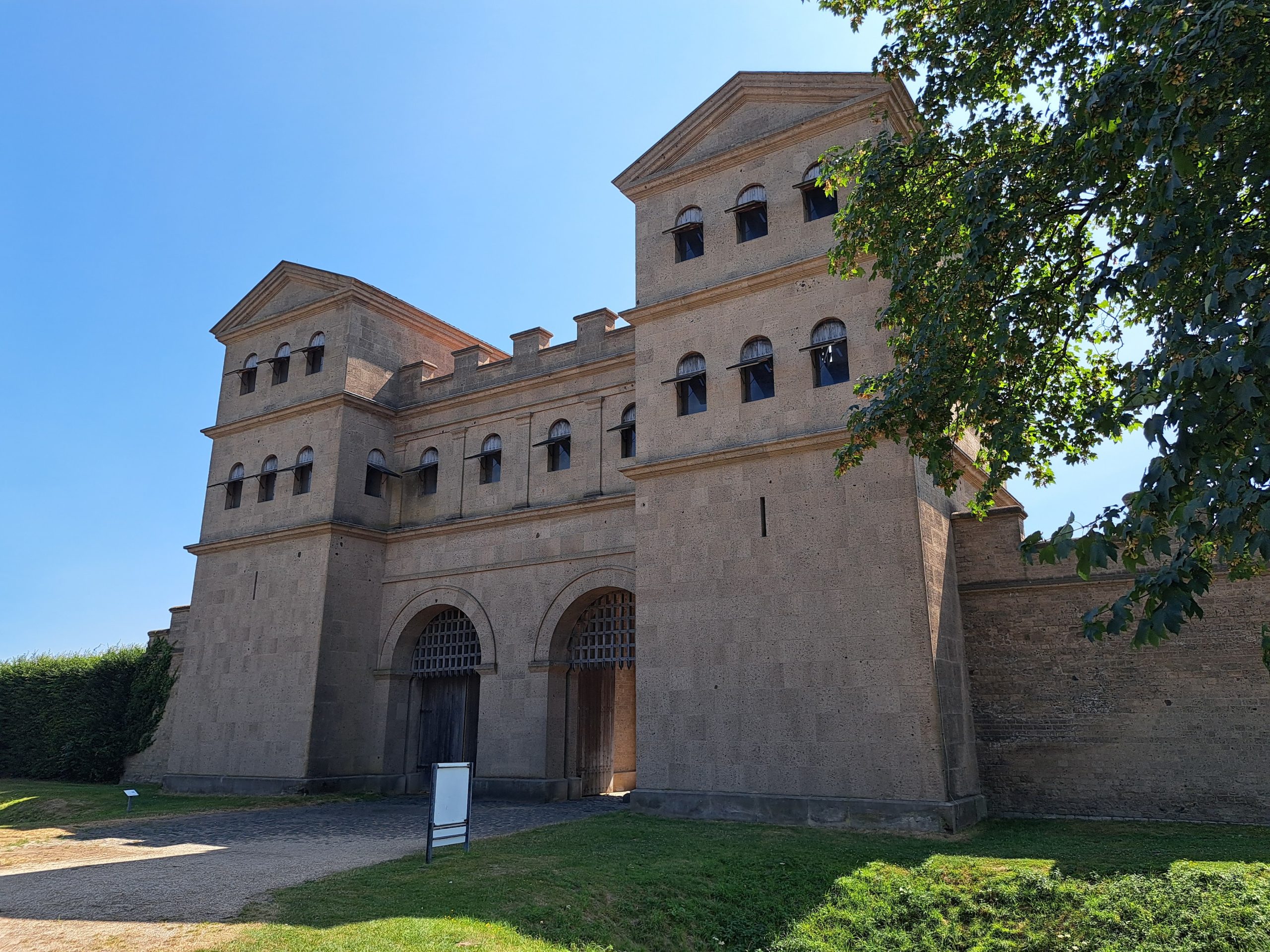
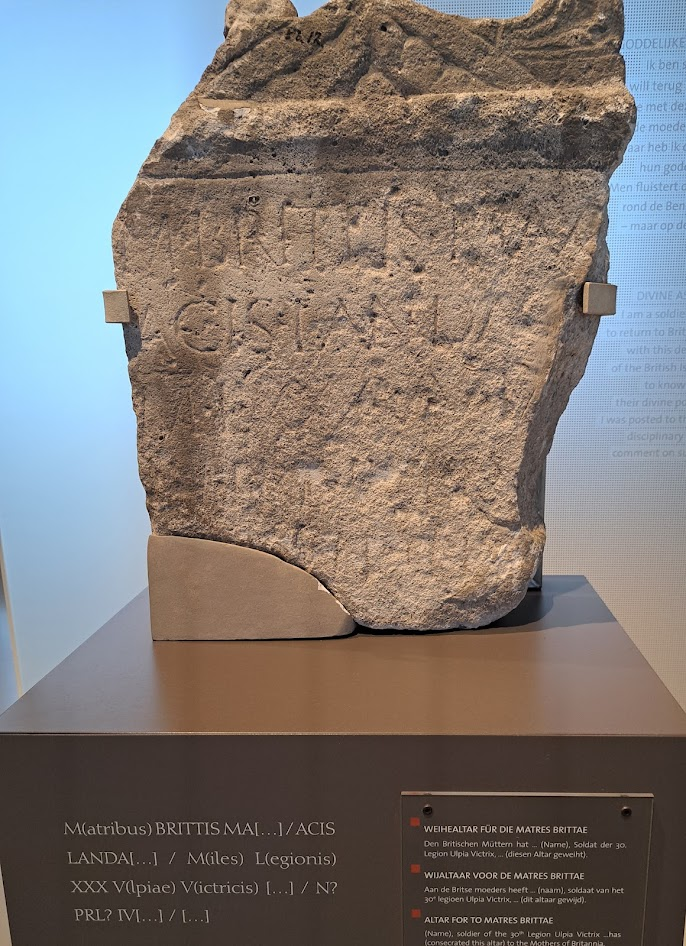
One soldier from Xanten was transferred back home from Britain, and he created this altar in the hope that the mother gods of Britain would allow him to return there.
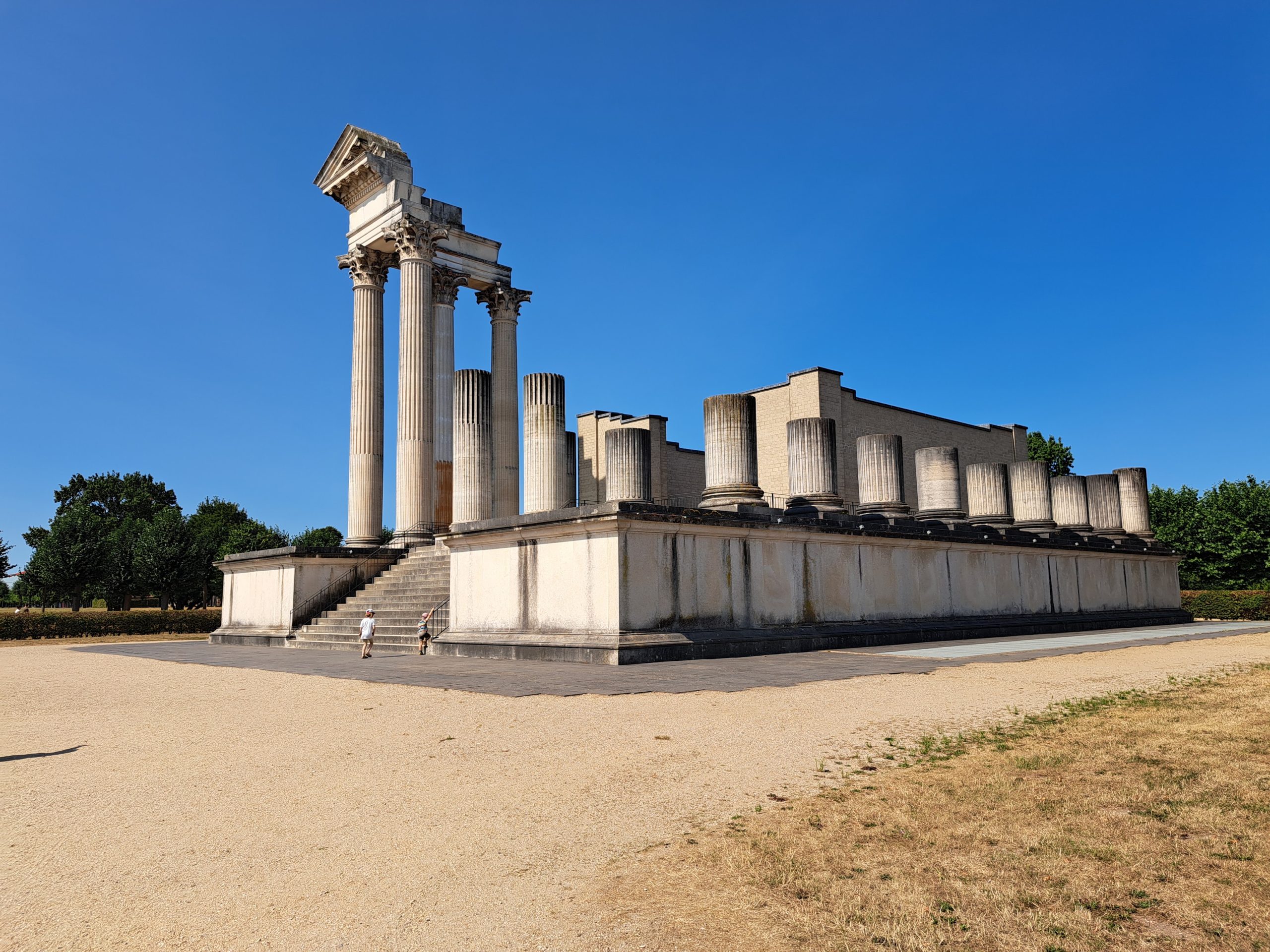
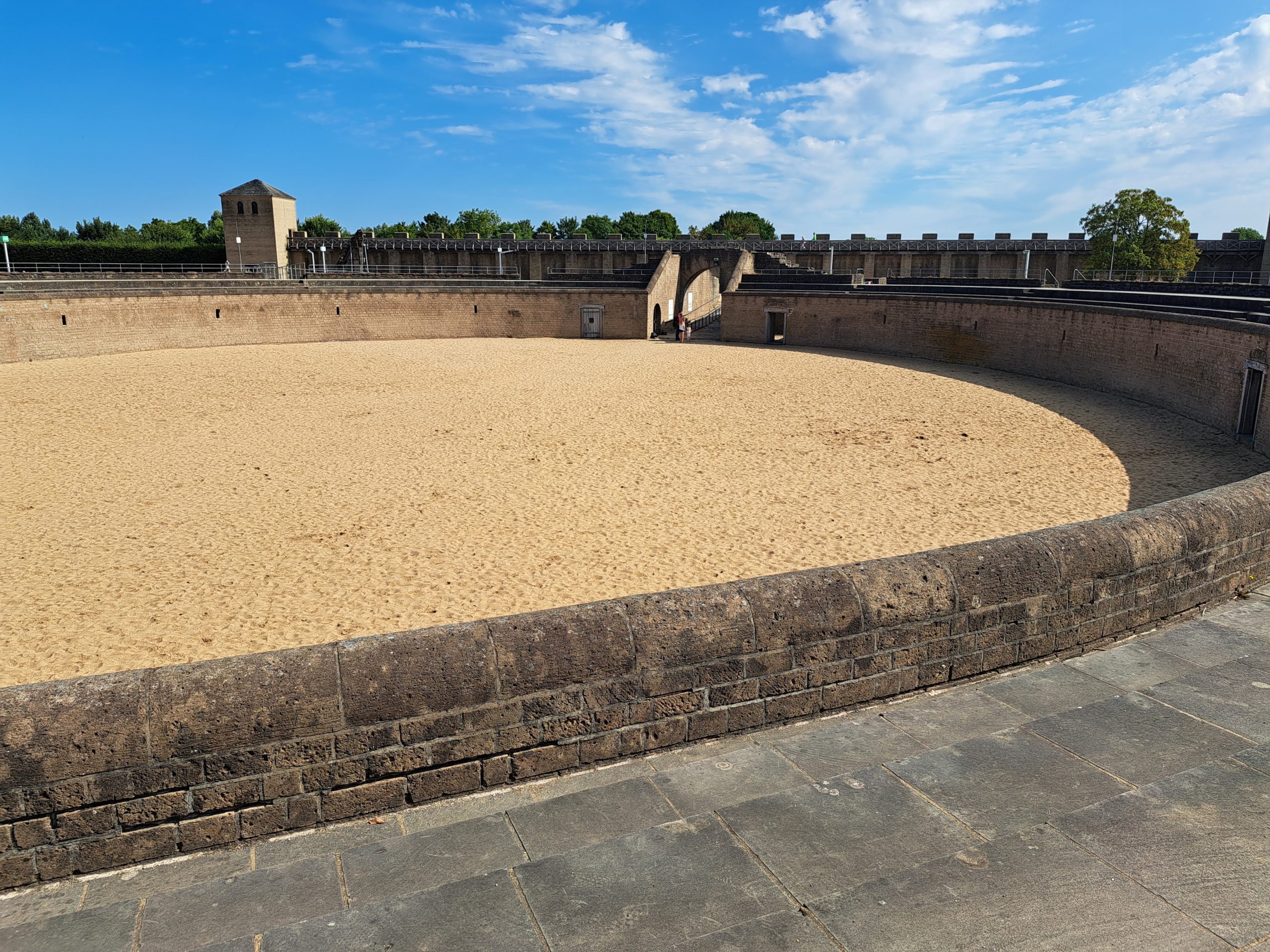
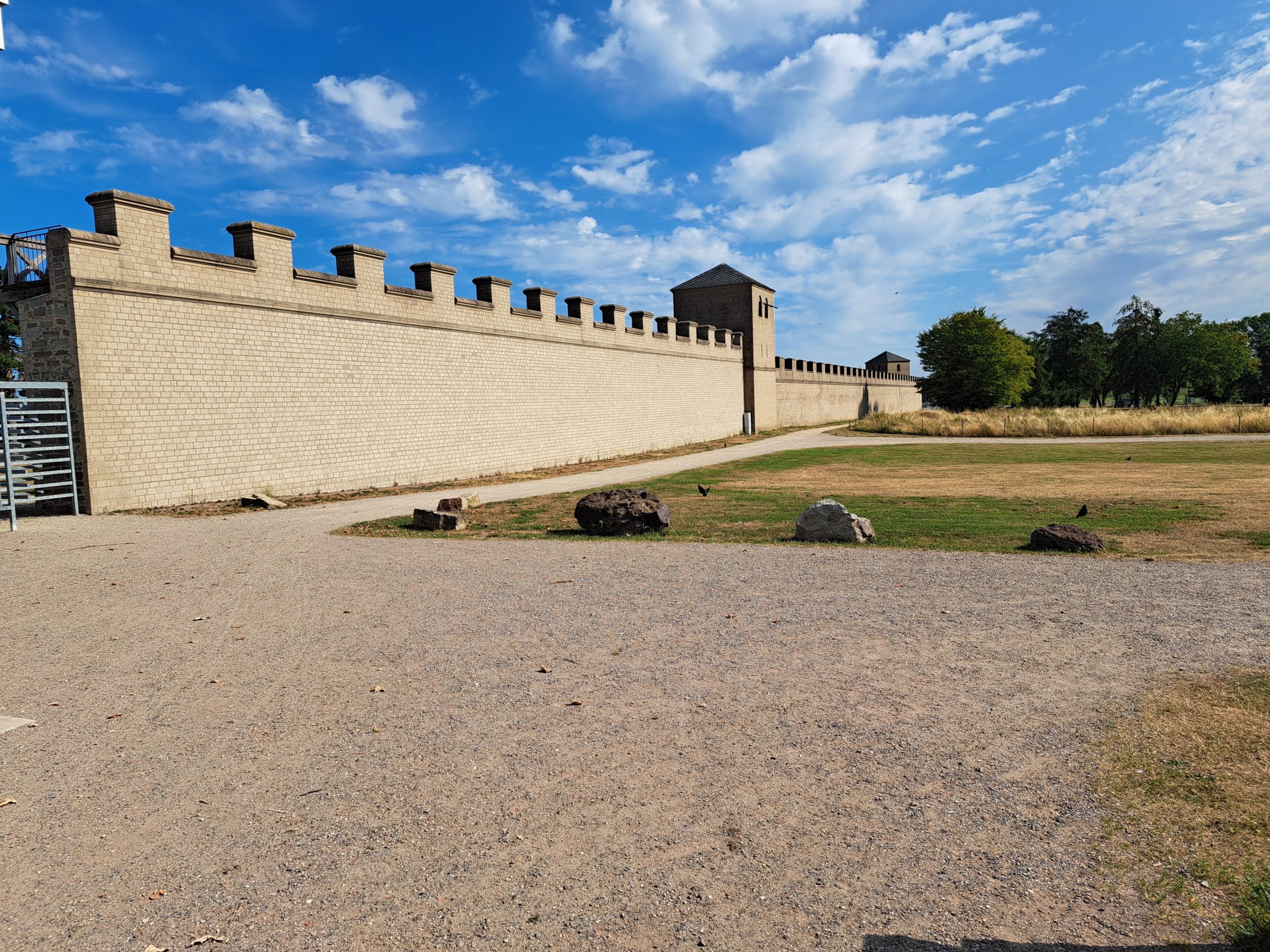
The date of destruction of Xanten (Colonia Ulpia Traiana) is complex. Frankish attacks and a major contraction of the town around AD 275/276 happened, but archaeological deposits vary across the town and do not necessarily represent one simultaneous event
1. Primary Literary Sources
- Pliny the Elder (Natural History, 4.106): Writing in the 1st century CE, Pliny explicitly lists the tribes of the region in geographical order as you travel along the Rhine frontier. He lists them from south to north as: the Ubii, then the capital Colonia Agrippinensis (Cologne), and then the Cugerni.
- Tacitus (Histories, Books 4 & 5): In his detailed account of the Batavian Revolt (69–70 CE), Tacitus notes that the Cugerni immediately joined forces with the neighbouring Batavi to besiege and sack the legionary fortress of Castra Vetera (Xanten). Their operational geography and immediate alliance were due to their shared northern frontier borders.
2. Epigraphic and Archaeological Evidence
- The Civitas Capital at Xanten: Under Emperor Trajan (c. 100 CE), the administrative centre (civitas) of the Cugerni was officially re-founded as Colonia Ulpia Traiana, located precisely at modern-day Xanten. In Roman provincial administration, an ethnically recruited auxiliary cohort’s home base and administrative territory always surrounded its civitas capital.
- Specific Border Towns: Inscriptions and military records identify towns like Gelduba (Krefeld), Asciburgium (Asberg), and Burginatium (Kalkar) as being within the Cugerni regional territory. All of these locations sit on the stretch of the Rhine north of Neuss and surrounding Xanten.
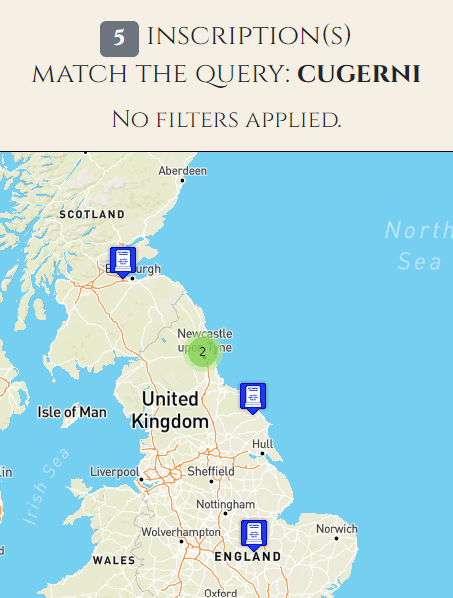
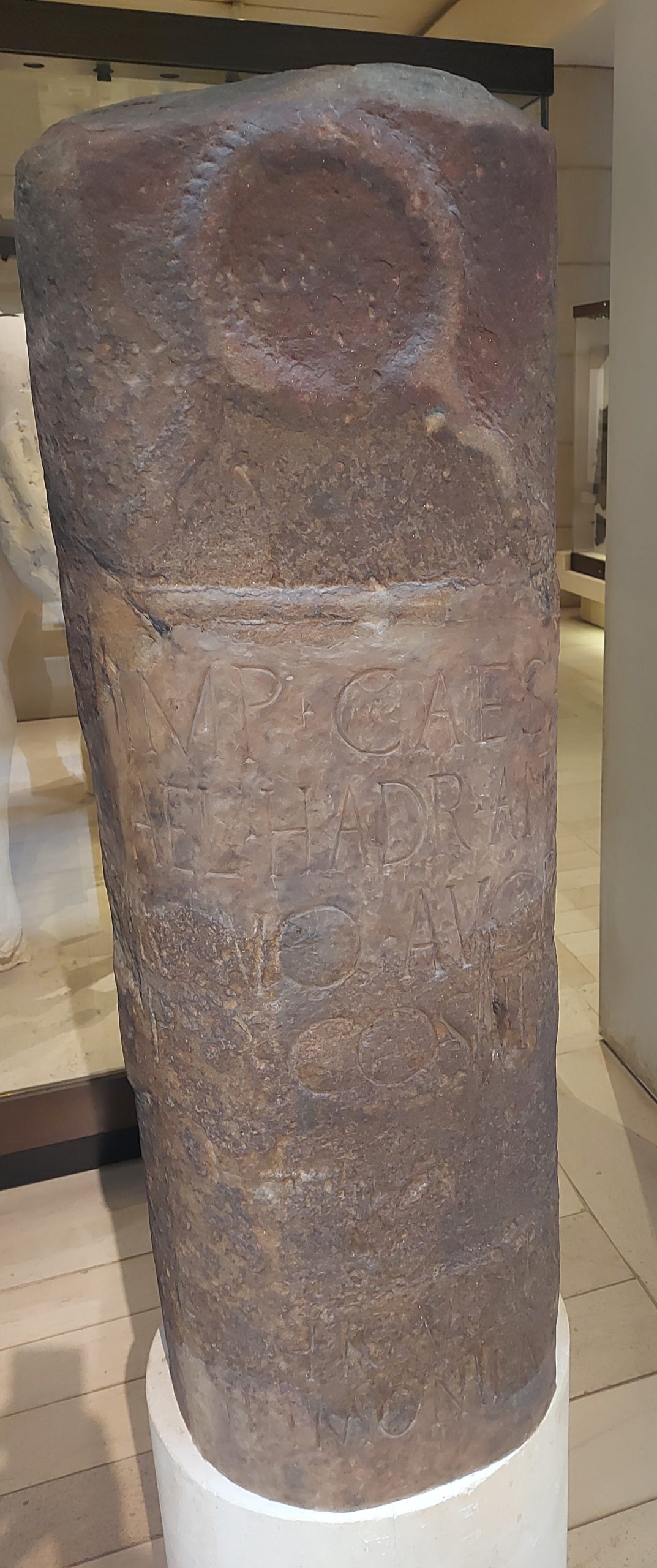
In Scotland, a milestone was found near Newbridge, which the Cugerni inscribed around 140. They built the St John’s Road through Corstorphine.
References
- RIB 2313. Milestone of Antoninus Pius (inscribed by Cugerni)
- Cohors Primae Cugernorum – The First Cohort of Cugerni (roman-britain.co.uk)
- Cugerni (livius.org)
- Inscriptions around Britain
- Xanten Archaeological Site

