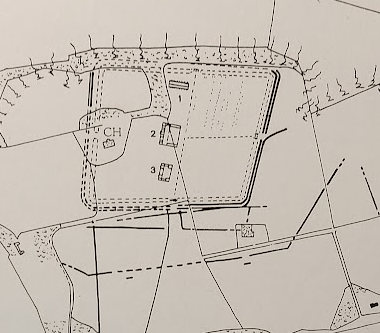
Carpow was a large fortress, covering 11 ha (27.5 acres) on the banks of the Tay near Abernethy. It was built to house between 2,000 and 3,000 men. Two legions that served here, or were at least involved in the building of the fort, were the Sixth Victrix and the Second Augusta. They have been identified from inscriptions and tile stamps.
Visit Carpow Roman Fortress
📍 Location: Carpow, near Abernethy, Perth and Kinross
👁 What survives: Most of the fortress is buried beneath fields, with archaeology and finds revealing its exceptional scale and Severan occupation.
⭐ Best for: Understanding the major legionary base established on the Tay during the Severan campaigns.
🥾 Visit: A rural landscape stop with limited visible structural remains.
🏛 Nearby Roman places: Bertha, Inchtuthil and the Roman sites around the Tay
Carpow at a glance
| Occupation | Short occupation around the turn of the third century and the Severan campaigns; exact dates remain debated. |
| Garrison | Legionary troops; the Sixth and Second Legions are represented in building evidence. |
| Size | About 11 hectares (27 acres). |
| Troop estimate | About 2,000–3,000 is a working estimate, not proof of a complete legion. |
Inscriptions
Building inscriptions and stamped tiles connect the site with the Sixth Legion Victrix and Second Legion Augusta. They do not establish that both complete legions were present.
Sources for this summary
Legio VI Victrix was based in York and worked on the building and rebuilding of Hadrian’s Wall.
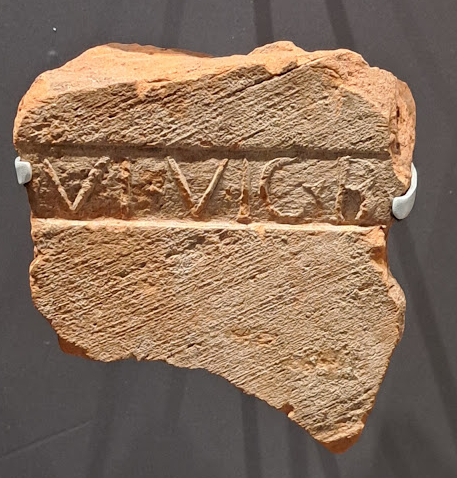
Legio II Augusta was based at Caerleon in South Wales but was known to have been involved in the construction and reconstruction of military works in northern Britain.
The date of Carpow is inferred from coin and pottery evidence. It seems to have been occupied for only a short time, from c AD 180-220. Carpow was probably an advance base for the campaigns waged against the Caledonian and Maeatae tribes by Emperor Septimius Severus and his son. Caracalla, The fort was deliberately demolished and abandoned within a few years of Severus’ death in AD 211,
Structures discovered inside the fort included a bathhouse served by running water, barracks, headquarters and a granary
References
Who Built Carpow? A Review of Events in Britain in the Reigns of Commodus and Septimius Severus Britannia, Vol. 41 (2010), pp. 225-235 JOHN CASEY
Source: Carpow

