Around AD 100, a woman living near the northern frontier of Roman Britain invited a friend to her birthday party. She wanted her friend to come so much that she added a personal message at the end of the invitation.
Her name was Claudia Severa. The invitation, written in ink on a thin sheet of wood, survived for nearly 1,900 years before archaeologists discovered it at Vindolanda in Northumberland. Part of the letter is in Claudia’s own handwriting — one of the earliest surviving examples of Latin written by a woman.
It is a small, everyday message. That is what makes it extraordinary. Most accounts of Roman Britain are about soldiers, forts and emperors. Claudia’s words tell us about friendship, family and a birthday celebration.
A birthday invitation from nearly 2,000 years ago
The letter was sent to Sulpicia Lepidina, whose husband, Flavius Cerialis, commanded the Ninth Cohort of Batavians at Vindolanda. Claudia Severa was married to another officer, Aelius Brocchus, who served at a nearby military post.
The invitation names 11 September as Claudia’s birthday. She asks Lepidina to come and make the day more enjoyable by being there. She also sends greetings to Cerialis from her husband and their little son.
Then comes the part that makes the tablet especially remarkable. After the main message, written by a scribe, Claudia adds a few lines herself. In the published English translation, her personal ending includes the words “I shall expect you, sister” and “my dearest soul”. The affectionate language gives a rare sense of a real friendship across the centuries.
The tablet is catalogued as Vindolanda Tablet 291. It is now in the British Museum.
What was Vindolanda?
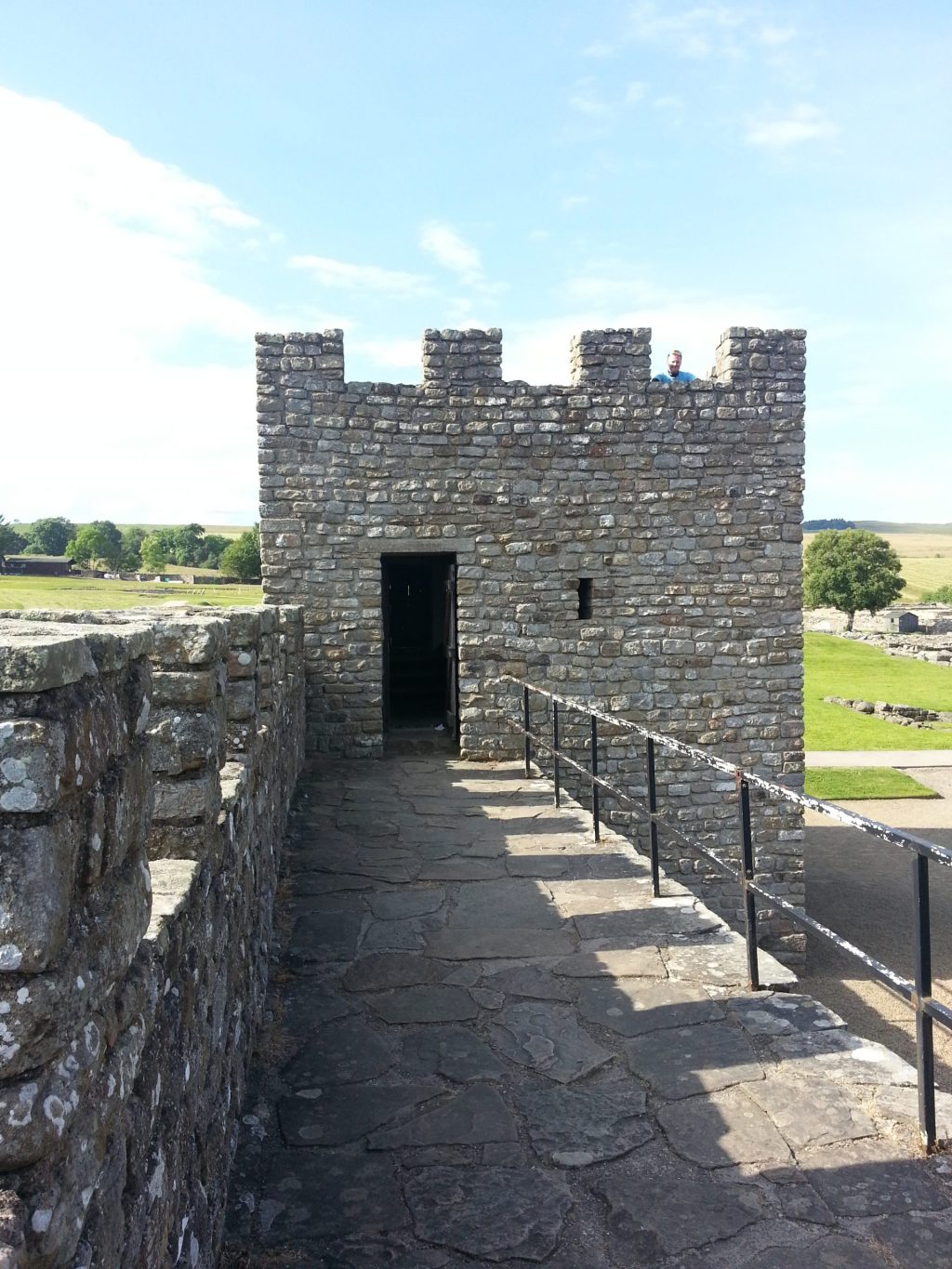
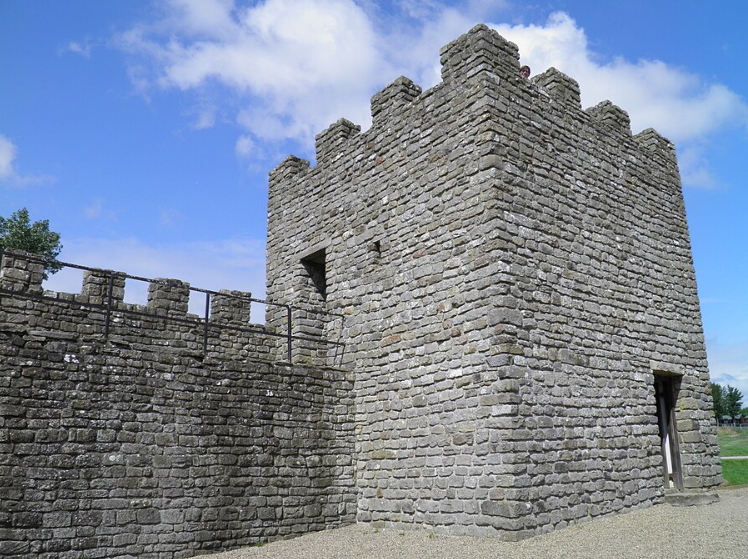
Vindolanda was a Roman fort in Northumberland, south of the later line of Hadrian’s Wall. Soldiers lived there with a wider community that included servants, traders, craftspeople and members of military households.
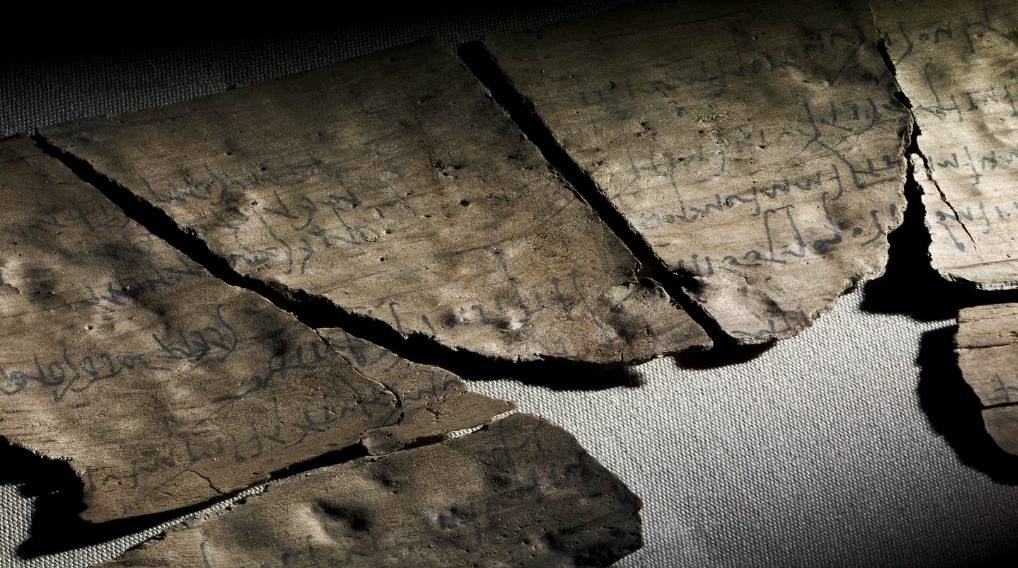
The fort is famous for its remarkable writing tablets. These thin wooden sheets were written on in ink and could carry orders, accounts, letters and invitations. Normally they would have rotted away. At Vindolanda, waterlogged, oxygen-poor conditions helped preserve many of them.
The first tablets were discovered in 1973. Claudia Severa’s birthday invitation was found during excavations in 1985. Its survival gives us something that stone inscriptions rarely provide: an ordinary exchange between two people who knew each other.
Why do we know that Claudia wrote part of it?
The main body of the invitation is written in a careful, regular hand, almost certainly that of a scribe. The final lines look different. Specialists who study ancient handwriting can distinguish the two styles, and the editors of the Vindolanda tablets identify the personal ending as Claudia’s own writing.
This does not mean Claudia could not write the whole letter. Wealthy households often used scribes for correspondence. By adding a personal farewell herself, Claudia may have made an otherwise routine invitation feel much warmer.
A second letter, Vindolanda Tablet 292, also contains a closing message attributed to her hand. It discusses plans to visit Lepidina and shows that their correspondence was not limited to one birthday.
Two friends living on the Roman frontier
We know more about the husbands’ military positions than we do about the women themselves. Lepidina was married to Flavius Cerialis, commander of an auxiliary cohort at Vindolanda. Claudia was the wife of Aelius Brocchus, another officer whose exact base has not been securely established.
Both households belonged to the relatively privileged world of Roman military officers. Their letters suggest that the women travelled, made social arrangements and kept in contact with friends at other posts. This was a frontier community, but it was not cut off from ordinary family life.
Claudia addresses Lepidina as soror, Latin for “sister”. It was also a term of affection between friends, and does not prove the two were related. Her reference to her little son tells us that she was a mother, but the surviving records reveal almost nothing about the boy’s life.
What about the other letter?
In the second surviving letter, Claudia refers to asking Brocchus about a visit to Lepidina and says she intends to stay at a place called Briga. We do not know exactly where Briga was. Researchers have discussed whether it was a fort, settlement or stopping place, but the evidence does not settle the question.
The letter is damaged, so parts of the message are missing. Even so, it gives a lively glimpse of plans being made between two households. These were people organising visits and trying to see friends — concerns that are easy to recognise today.
Could Roman women read and write?
Claudia’s own handwriting proves that at least some women in Roman Britain could write Latin. It does not tell us how common literacy was among women generally. Claudia belonged to a prosperous military household, whose opportunities were different from those of most people living in the province.
Her writing is especially valuable because so little informal writing by women has survived from the Roman world. Archaeologists have uncovered thousands of inscriptions, but an intimate note written in a woman’s own hand is much rarer.
Some scholars have noticed possible echoes of Roman literature in Claudia’s affectionate expressions. That is interesting, but ordinary people could also use familiar phrases without consciously quoting poetry. The secure evidence is that Claudia wrote in Latin and that her friendship with Lepidina mattered enough for her to add her own words.
What happened to Claudia Severa?
We do not know when Claudia was born, where she grew up or what happened to her after these letters. The documents date to approximately AD 97–105, a generation before the construction of Hadrian’s Wall. Her husband’s posting and the family’s later movements remain uncertain.
What survives is a moment of her life: a birthday invitation, a message about visiting a friend and a few affectionate lines written in her own hand.
Why her letter matters
The Roman frontier is often presented through the movements of armies and the building of forts. The Vindolanda tablets reveal another side: people buying food, exchanging news, dealing with everyday problems and keeping in touch with friends.
Claudia’s invitation is one of the most memorable because its purpose is so familiar. She wanted someone she cared about to come to her birthday party. Nearly 2,000 years later, we can still read the request.
Read the original evidence
- Vindolanda Tablet 291 — text, English translation and specialist commentary
- Vindolanda Tablet 292 — Claudia’s correspondence about visiting Lepidina
- Vindolanda Tablet 293 — related fragment
- Oxford University: Vindolanda Tablets Online
- British Museum collection information and image
- Alan K. Bowman and J. David Thomas, The Vindolanda Writing-Tablets (published editions and commentary).

