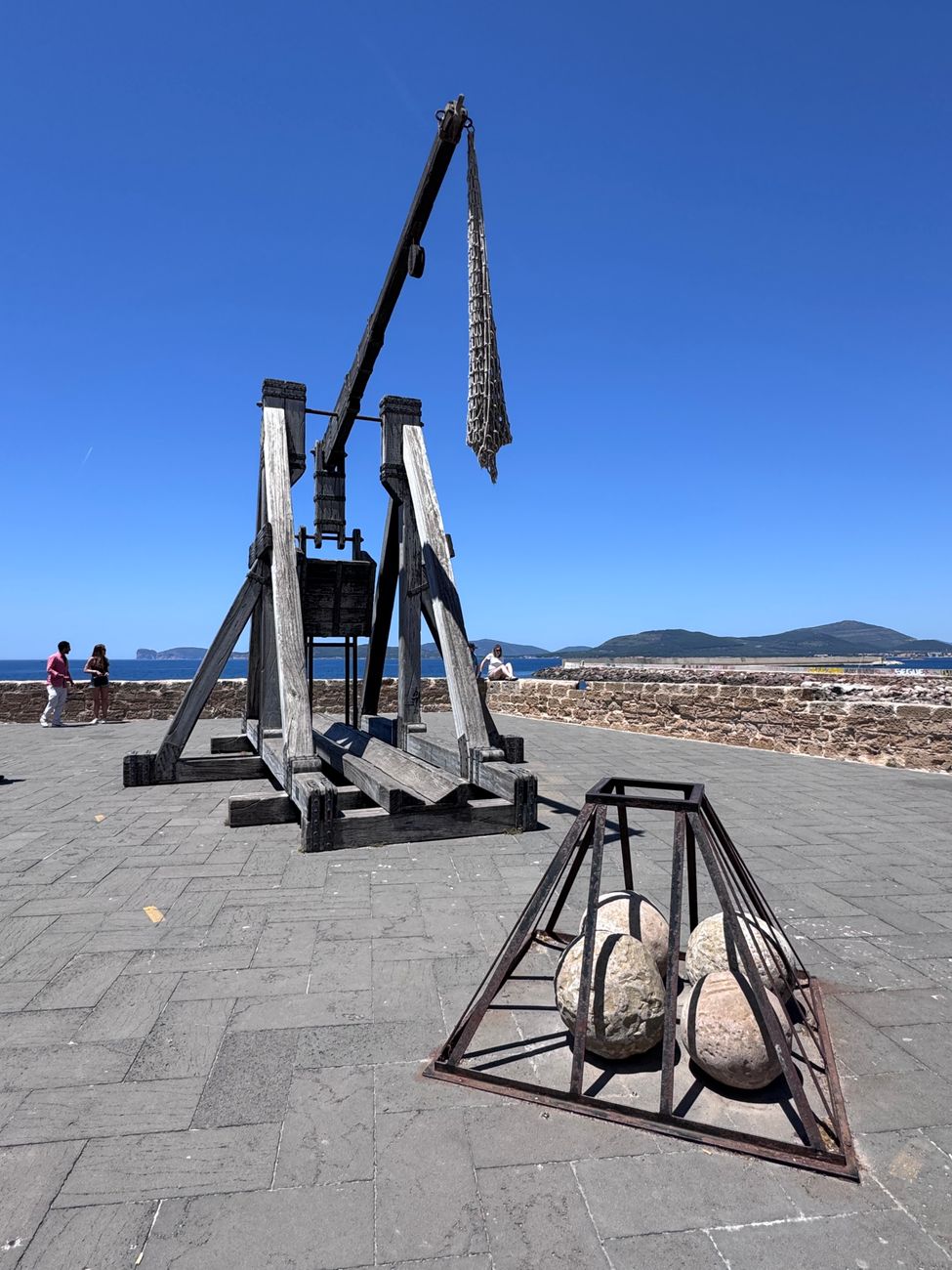
To build stone forts moving huge stones the Romans used advanced engineering techniques many learned from the Greeks. Roman engineering was renowned for its ability to move and precisely place enormous stones, a critical skill in constructing iconic structures like aqueducts, temples, and amphitheatres. The techniques they employed were advanced for their time and showcased a deep understanding of physics and mechanics. Here’s an overview of the main methods they used:
1. Use of Levers and Rollers
- Levers: Romans utilized levers to lift and move heavy stones. By inserting a sturdy wooden beam under the stone and using a fulcrum to provide leverage, they could multiply the force exerted and lift the stone with much less effort.
- Rollers: To transport stones horizontally, the Romans placed them on wooden rollers. Workers would push or pull the stone over the rollers, moving them from the back to the front as the stone advanced. This method was highly effective for moving stones across flat or gently sloping surfaces.
2. Capstan and Windlass Systems
- Capstan: A capstan is a rotating machine used to wind a cable or rope. The Romans would anchor a capstan to the ground and wrap a rope around it, which was attached to a stone. By rotating the capstan, often with the help of several men, they could pull the stone towards them or lift it vertically.
- Windlass: Similar to the capstan, a windlass was a horizontal cylinder (or drum) used to wind a rope or cable. By turning the windlass, often using a crank or handle, Romans could lift heavy stones or move them horizontally.
3. Cranes and Treadwheel Cranes
- Cranes: Romans used cranes to lift stones to considerable heights. These cranes typically consisted of a vertical mast, a horizontal jib (or boom), and ropes or pulleys. The stone was attached to the ropes, and as workers turned a capstan or windlass, the stone would be lifted into the air.
- Treadwheel Cranes: A more advanced type of crane was the treadwheel crane, where workers would walk inside a large wheel, like a giant hamster wheel, to generate the lifting power. This method allowed for the lifting of extremely heavy stones, sometimes several tons in weight.
4. Pulley Systems
- Compound Pulleys: To enhance lifting power, Romans often used compound pulleys, which consisted of multiple wheels. This system reduced the effort needed to lift heavy stones by distributing the weight across several pulleys, making it easier to lift large stones with fewer workers.
5. Inclined Planes and Ramps
- Ramps: Romans constructed massive ramps, often made of earth or stone, to move stones up to higher elevations. Workers would drag or roll stones up these ramps using sledges or rollers. In some cases, the ramps were temporary structures that were dismantled after the stone was in place.
- Inclined Planes: By using inclined planes, Romans could move stones upward more efficiently. The angle of the incline was carefully calculated to balance the ease of movement with the need to lift the stone to a higher level.
6. Sledges and Lubrication
- Sledges: For especially heavy stones, the Romans sometimes used sledges—large, flat wooden platforms—to drag stones over the ground. They often lubricated the path with water, oil, or animal fat to reduce friction and make the stones easier to move.
- Rope and Pulley Techniques: Combined with sledges, ropes, and pulleys were used to pull the stones up ramps or across flat surfaces. This method required careful coordination among the workers to maintain steady, controlled movement.
7. Precision Placement
- Hoisting Stones into Place: Once a stone was lifted, it needed to be placed precisely. The Romans used guiding ropes and sometimes smaller cranes or levers to manoeuvre stones into their exact position.
- Marking and Fitting: Stones were often pre-marked or pre-shaped to fit together perfectly. Roman engineers were meticulous in ensuring that stones were aligned properly, especially in arches and other load-bearing structures, where precision was crucial.
8. Counterweights and Balance
- Counterweights: In some cases, counterweights were used to balance the load being lifted, making it easier to control and position heavy stones. This technique was particularly useful in crane operations, where balance was essential to prevent accidents.
These methods allowed the Romans to build some of the most enduring and impressive structures of the ancient world, many of which still stand today as a testament to their engineering prowess.

