Executive Summary. Claudia Severa (fl. AD 97–105) was a Roman British woman known from ink-on-wood letters unearthed at the fort of Vindolanda in Northumberland. As the wife of Aelius Brocchus (a prefect of a nearby fort), Severa wrote a famous birthday invitation (dated 11 September, c.100 AD) to her friend Sulpicia Lepidina, wife of Prefect Flavius Cerialis. The letters (excavated in 1973) survive in fragmentary Latin, partly penned by a professional scribe and partly by Severa herself. These are among the earliest known Latin documents by a woman – indeed “the earliest known examples of writing in Latin by a woman” – and they reveal intimate epistolary culture on Rome’s northern frontier. Her style (warm greetings, soror, anima mea, farewell formulas) reflects literacy and literary awareness. Severa’s social standing was high (married to an equestrian officer, using the Roman citizenship name “Claudia” suggesting Claudian patronage), and her correspondence sheds light on military families and women’s roles in Britannia. Scholars have analysed the palaeography (multiple hands, use of apex, etc.), the Latin formulae (e.g. sollemnem natalem for birthday) and literary echoes (Hallett draws parallels to Vergil). Debates touch on the precise location Briga mentioned in the letter, and on interpreting the affectionate language (“sister, dearest soul”). Modern interest is high: museums and media highlight “Britain’s oldest female handwriting”, and educational resources translate Severa’s words into English.
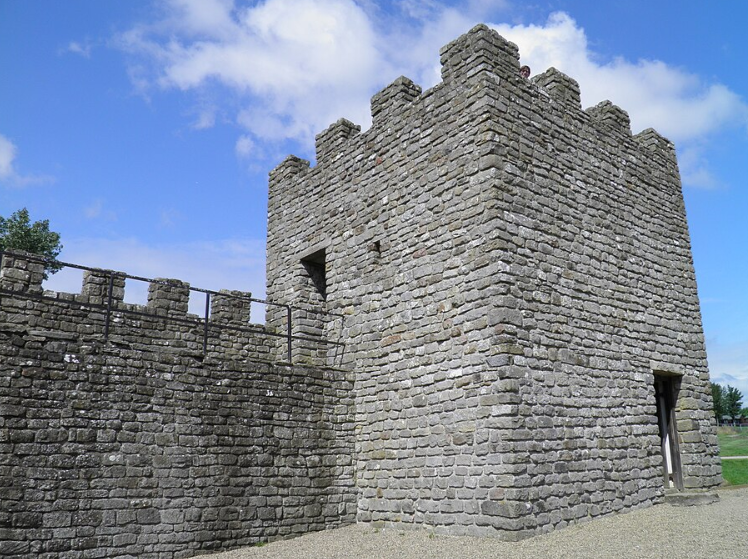
. The letters were found in waterlogged ditches near the fort’s principia; their survival is due to anaerobic conditions preserving the thin wooden “postcards” with ink writing.
Vindolanda and the Letters of Claudia Severa
Vindolanda, a timber-and-earth fort occupied c.85–105 AD on Hadrian’s Wall’s precursor line, has yielded 1,700+ wooden tablets written in carbon ink. These include official reports and countless private notes. In 1973–85, excavations revealed two tablets from Claudia Severa to her friend Sulpicia Lepidina, wife of the Ninth Cohort’s commander (Flavius Cerialis). RIB entries name Severa as “wife of Aelius Brocchus” of a “nearby fort”. The best-preserved tablet (Tab. Vindol. 291) is the birthday invitation (AD 97–105). It reads (Latin with translation):
Claudia Severa to her Lepidina, greetings. On 11 September, sister, for the day of the celebration of my birthday, I give you a warm invitation… I shall expect you, sister. Farewell, sister, my dearest soul (anima mea)….
The letter is written in two parts. The main text (front) was penned by a professional scribe in elegant cursive, using formal epistolary formulae. The ending (final four lines on front, and address on back) is in a different, more informal hand – Severa’s own – with affectionate salutations. The diptych (tablet) is addressed to Sulpicia Lepidina, wife of Prefect Cerialis (her “Cerial[ium tuum]” is mentioned). A second multi-leaf letter (Tab. Vindol. 292) recounts Severa asking her husband’s permission to visit Lepidina; here too Severa adds a short closing (“Vale, soror…”) in her hand. A fragment (Tab. 293) shows the same closing. These two letters show routine correspondence and visits between the women.
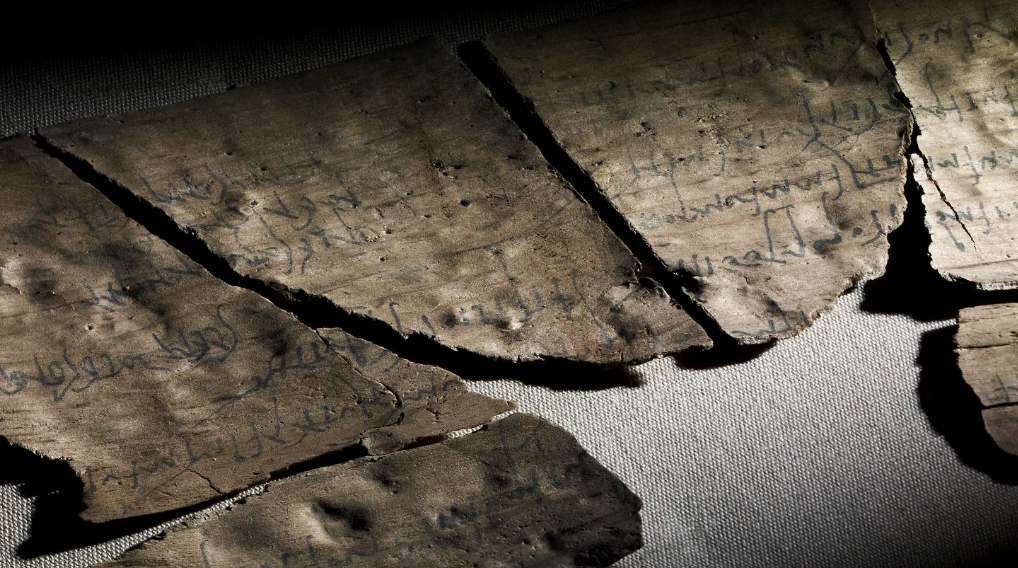
Vindolanda ink writing tablets in the British Museum; the tablet at top-left is Severa’s invitation. The tablets (photographed above) date to ca. AD 97–105. Vindolanda’s anaerobic soil preserved them intact until discovery. Scholars Bowen and Thomas first deciphered and published them (1983). The content is personal and social, not military: it mentions birthday celebrations (“sollemnem natalem”) and the pleasure (Latin iucundus) of Lepidina’s company.
Palaeography and Authorship
Palaeographic study shows at least two hands: a neat, “elegant” cursive for most of the text, and a separate hand for closings. RIB notes that “the author is Severa herself, adding a brief message and the closing greeting in her own hand”. In Tab 291, the main body (left and right inner faces of a diptych) is a professional scribal hand; on the right half of face ii, lines 9–12, Severa herself writes the postscript (“sister…my dearest soul”) and the back address. Tab 292’s first leaf is one broad column, but the back of leaf b (right side) contains Severa’s own closing, as in 291. This palaeographic evidence is why scholars call these “almost certainly the earliest known examples of writing in Latin by a woman”.
Notable features: both scripts show cursive ligatures and occasional apexes (marks over long vowels). Severa’s hand is slightly sloping, with a recognisable “vale soror karissima” formula. The letters use standard Latin formulae (e.g. Cl(audia) Severa… salutem, soror, vale). Linguistic notes: “sollemnem natalem” for birthday is classical (cf. Horace Od.4.11), showing Severa is tapping Roman literary usage. She abbreviates her name Cl. (fem.) in the text. The text reveals literacy: Severa writes clearly, uses full sentences (“rogó libenter facías ut venias”), and even may slip in literary allusion (the phrase “soror anima mea” echoes Vergilian sentiment, as Judith Hallett and others note).
Social Status and Family Context
Claudia Severa belonged to the officer-class milieu at Vindolanda. Her husband Aelius Brocchus was a prefect (commander) of an auxiliary fort, possibly on the Stanegate frontier. (Inscriptional evidence suggests Brocchus visited Vindolanda multiple times.) Severa’s family name Claudia indicates citizenship granted in Emperor Claudius’s time. She addresses Lepidina as soror (“sister”), but they were not blood relatives; this term conveys close friendship. Severa mentions “my Aelius and my little son” sending greetings, so she had at least one young child (diminutive filiolus). Lepidina herself was married to Prefect Flavius Cerialis (9th Batavians). Both women were elite cavalry officer wives. The tablets underscore women’s presence on frontier duty – personal correspondence, household routines, and social gatherings.
Historical Significance
Claudia Severa’s letters are celebrated as a unique snapshot of female literacy and social life in Roman Britain. They are among the earliest extant Latin documents by a woman (and possibly anywhere, not just Britain). The intimate tone and formulae challenge assumptions about ancient women’s roles: Severa and Lepidina were clearly literate in Latin, and engaged in routine letter-writing. This adds to evidence (from other tablet fragments and inscriptions) that Roman officer-families maintained sophisticated social networks even on the frontier. The letters also enrich our understanding of Roman epistolary conventions for private correspondence: they use traditional salutation and farewell formats but in a personal, informal setting.
Importantly, Severa’s words demonstrate literary awareness. Scholars observe parallels to classical texts: for example, her phrase “anima mea” (my soul), also found on a period gold ring, mirrors similar sentiments in Roman love elegy and in Vergil’s portrayal of Anna and Dido. Severa’s “sperabo te, soror” and “vale, soror, anima mea” evoke a deep sisterhood (Hallett links this to Aeneid 4.8 “unanimam sororem”). Thus, even casual frontier letters betray a rich cultural fabric. As the Vindolanda Trust puts it, this birthday invitation is “the oldest handwriting from a woman in Britain”, symbolising women’s voice in the archaeological record.
Scholarly Debates and Interpretations
Scholars generally agree on the authenticity and dating of Severa’s letters (ca. 97–105 AD, before Hadrian’s Wall), but debate nuances of interpretation:
- Authorship and literacy: All major editors credit Claudia Severa as author of the handwritten portion. Some earlier doubt that women commonly wrote Latin, but these tablets conclusively show Severa’s hand. There is little dispute here.
- Literary allusion: Judith Hallett argues that Severa’s closing “soror anima mea” echoes literary models (Vergil’s Anna) and reflects an educated choice of words. Others caution that friendly letters often use such terms without deliberate poetic intent. This remains interpretive.
- “Briga” location: In Tab 292, Severa mentions staying at “Briga”. Scholars debate whether Briga was Severa’s fort or a waystation. The RIB notes “Briga” must be a nearby place; Severa’s wording (“mansūra”) could imply lodging there, not living there. One view is that Brocchus’s base was possibly at a site like Birdoswald (ancient Banna) and Briga was another fort or vicus. This is still unresolved.
- Social rank: Some interpret Severa’s Roman name and citizenship clues as evidence she came from a Claudian patron family or was a second-generation Roman citizen. Others note her husband’s equestrian rank alone indicates elite status. There’s no primary record of her birth-family; some assume she was Italian or southern Gaul by origin, but that is speculation.
- Gender and literacy: The finding sparked debate on how common female literacy was. Severa’s case shows at least some army wives could write. Some scholars suggest she may have had scribal training at Vindolanda itself. Others note that survivorship bias (wooden letters seldom preserved except here) may overstate rarity.
- Interpretation of tone: Bowmen and Thomas (1983) emphasise the genuineness of Severa’s affectionate tone. Later historians (e.g. Birley, 2008) view the letters as evidence of normative social life for officers’ wives. Some romanticise it (e.g. comparison to Jane Austen’s friendships), but scholars stress it as mundane yet precious data rather than extraordinary.
The chart below summarises some viewpoints:
| Scholar (Year) | Claim/Interpretation | Evidence | Critique/Alternative |
|---|---|---|---|
| Bowman & Thomas (1983) | Severa’s letters are authentic private correspondence; Severa herself adds postscript. Introduced the text to scholarship. | Palaeographic analysis: two distinct hands on the tablets. | No serious dispute; foundation work. |
| Hallett (2002) | Severa’s style is literary; uses Vergilian motifs (“anima mea”) and evokes classical sisterhood. | Language of letters: use of iucundus, sperabo te, anima. Comparison to Aeneid 4. | Some argue any affectionate Latin can appear literary; limited scope. |
| Tomlin (2010) | Epigraphic context: Aelius Brocchus travelled frequently (coins, inscriptions), linking Severa socially; the phrase “anima mea” also appears on a period ring. | Inscriptions at Vindolanda (patera inscribed BRO for Brocchus); instrumentum domesticum (“anima mea” ring). | Suggestive coincidences; one cannot definitively link objects to Severa herself. |
| Birley (2008 ODNB) | Social context: Both women were high-born cleruchae (army wives); letters show active female social network on frontier. | Prosopographical inference (names, ranks) and tablet texts. | Lacks new data beyond epigraphic evidence; builds context narrative. |
| Critics (general) | Letters may be exceptional; not clear how typical. | Only these few examples survived; absence of comparable finds. | We cannot gauge literacy prevalence from limited sample. |
Modern Reception and Legacy
Claudia Severa’s letters have inspired wide modern interest. Museums highlight them: the British Museum (London) exhibits the original tablet, and Vindolanda Museum features them as “Britain’s top treasure”. Popular media often cite them as “the earliest known example of writing in Latin by a woman”. Educational resources translate them: for example, English summaries note “Oh how much I want you at my birthday party… Goodbye, sister, my dearest soul.” The narrative of two Roman women’s friendship on the northern frontier appeals widely (even school projects and social media celebrate “Happy birthday, Claudia Severa!”). Scholars and writers stress both the historical rigour and the human story: as The Telegraph noted, her invitation is “a casual letter about a birthday party” but becomes a vivid personal link to antiquity. In exhibitions, facsimiles and videos show the tablet’s fragile wood and ink. The Vindolanda Trust blog (2022) explicitly recounts Severa’s invitation, noting “she asks Lepidina to come to her birthday party on 11th September”.
Claudia Severa’s legacy also lives on in scholarship: her letters feature in discussions of Roman women’s writing, Latin epistolography and frontier society. They are often taught as primary sources for daily life in Roman Britain. While many biographical details (birthplace, later fate) remain unknown, Severa’s brief correspondence remains a cornerstone of understanding literacy and women’s voice in antiquity.
Timeline of Key Events
| Date / Period | Event |
|---|---|
| ca. AD 97–105 | Claudia Severa writes letters (including 11 Sept, birthday invitation). |
| 105? (inferred) | Possible additional correspondence (Tab. 293 fragments). |
| March 1973 | Vindolanda tablets first discovered by R. Birley’s team. |
| 1983 | Alan Bowman & David Thomas publish the Vindolanda Tablets (including Severa’s letter). |
| 1985 | More tablets including Severa’s found; British Museum acquires them. |
| 2002 | Judith Hallett analyses literary aspects (published in Women Writing Latin). |
| 2010 | R. Tomlin examines related inscriptions, contextualising Severa (e.g. Brocchus patera). |
| 2022 | Vindolanda Trust features Severa in outreach (blog, displays). |
| 2026 (today) | Continued scholarship and popular interest; tablets online and in media. |
Scholarly Interpretations (Comparison)
| Author/Source | Claim/Focus | Evidence Cited | Comments/Critique |
|---|---|---|---|
| Bowman & Thomas (1983) | First edition of tablets; identified hands | Tablet text and hand analysis | Established basic facts; largely uncontested. |
| Hallett (2002) | Literary echoes in letter (Vergilian) | Language of letter; classical parallels | Insightful, but somewhat interpretive. |
| Tomlin (2010) | Broader Vindolanda context (inscriptions) | Related artefacts (ring “anima mea”, Brocchus inscribed items) | Contextual links; interesting but circumstantial. |
| Birley (ODNB 2008) | Biographical context of officers’ wives | Prosopography, military careers | Narrative synthesis; limited new evidence. |
| Vindolanda Trust (2022) | Public outreach: oldest female handwriting | Tablet translation and blog | Good summary for the public; not peer-reviewed. |

