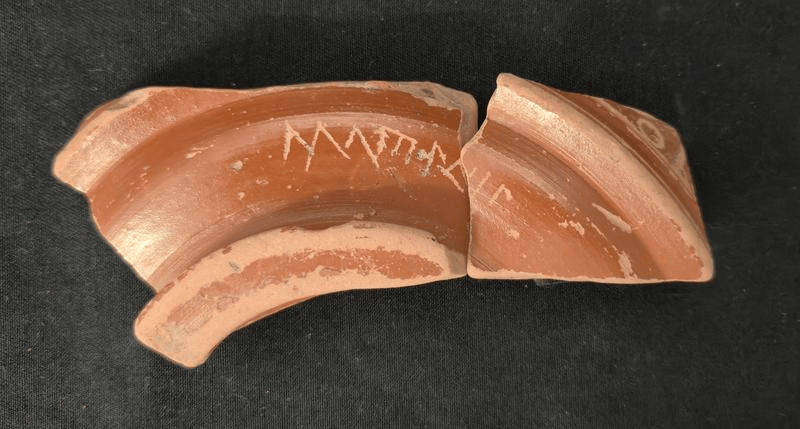
A woman called Materna at Mumrills Roman fort has scratched her name on two pieces of pottery in 155 AD. One on a bowl and the second on a cup.
The two separate Samian vessels from the 1999 excavations, both recovered from the outermost western fort ditch, said to have been deliberately backfilled by the Romans at about AD 155.
The first and much more secure inscription occurs on two joining basal sherds of a Dragendorff 30 Samian bowl and reads diplomatically MATIIRNII, interpreted by R.S.O. Tomlin as Matern(a)e, “[the property] of Materna”. It was scratched after firing, above the foot-ring..
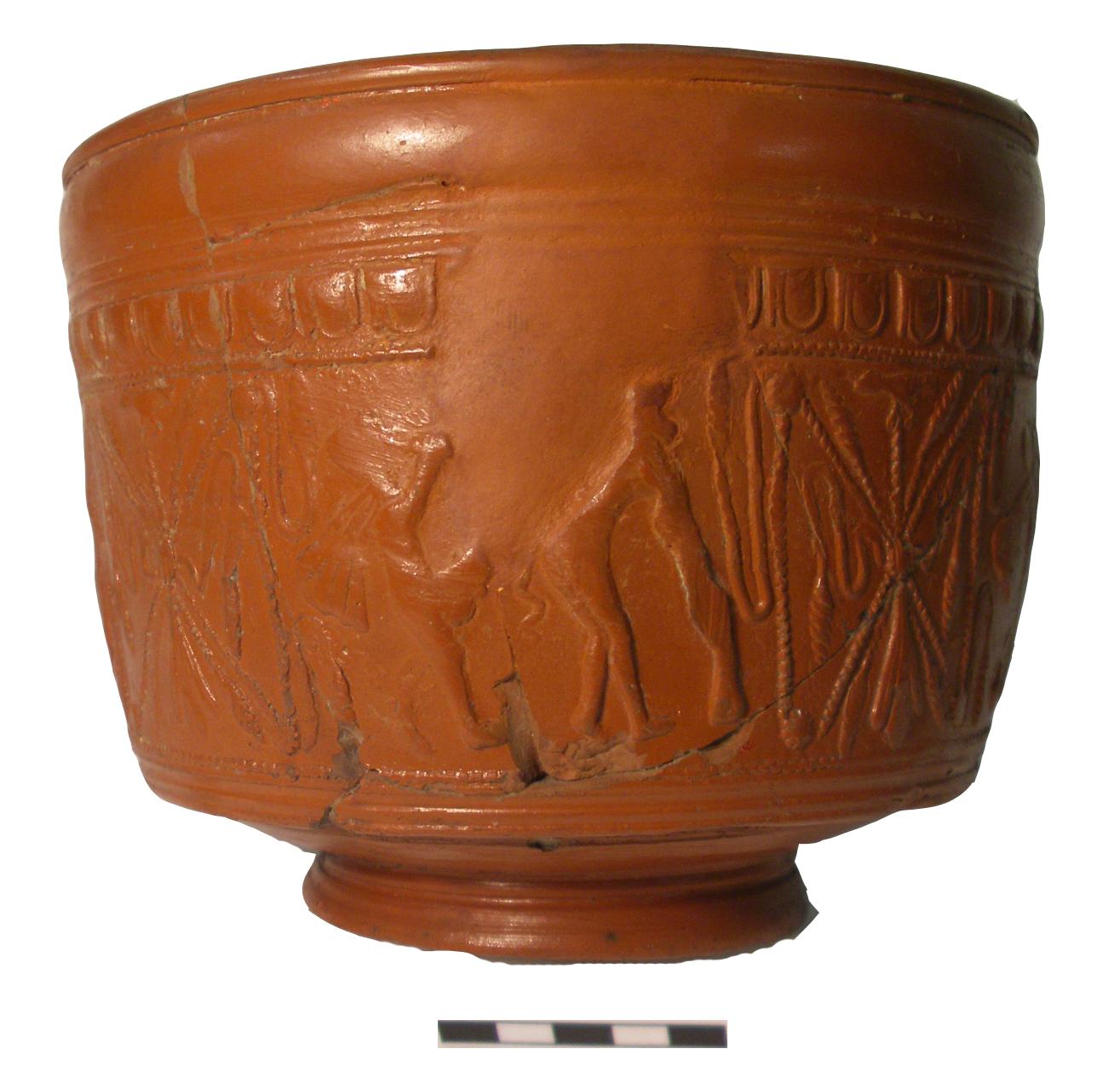
The second inscription, on the rim of a Dragendorff 33 cup, preserves only MAT[…]; Tomlin considered Materna probable because of the first find, but explicitly noted that it was written by a different hand and might instead have been a complete or abbreviated MAT.
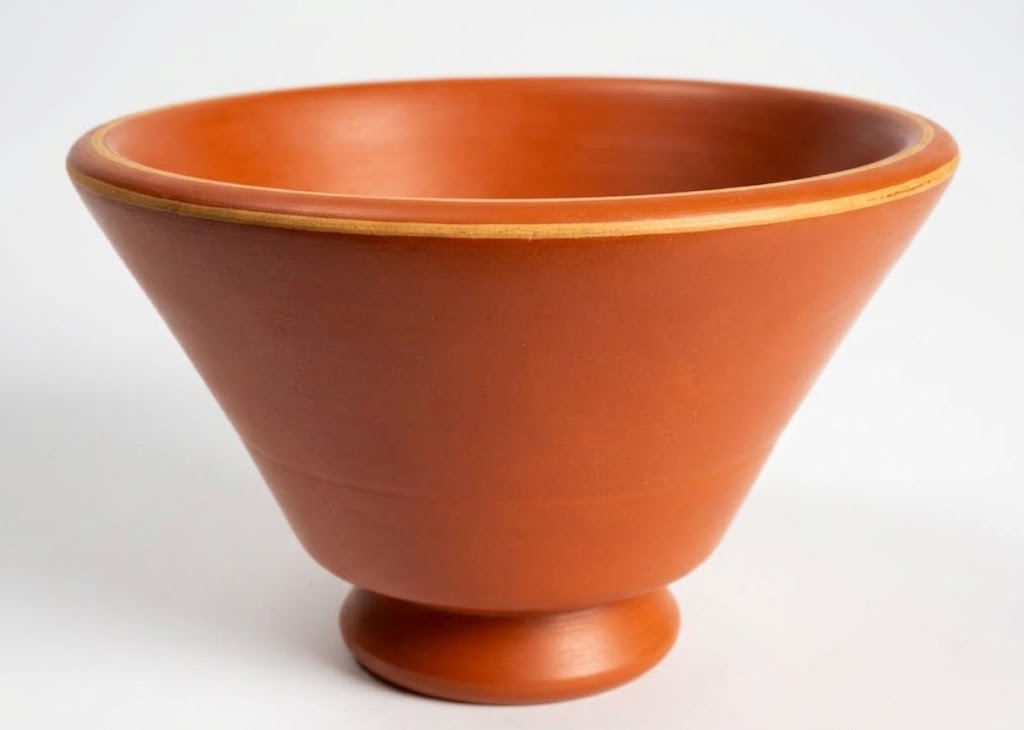
The archaeological context gives an unusually useful chronological constraint. The sherds were not recovered from an occupied room, barrack or house but from ditch backfill; consequently, they demonstrate use and discard by or before c. AD 155, not the precise location where Materna lived or used the vessels. The deposition therefore belongs firmly to the Antonine occupation of Mumrills. b
The name is best understood as the Latin feminine cognomen Materna, the feminine of Maternus and ultimately based on Latin mater, “mother”. RIB’s commentary on a Bath tablet explicitly calls Materna a “Latin feminine cognomen”, while the EDH record for the Mumrills graffito classifies the person as female. The name is independently attested in Roman Britain: most importantly Julia Materna, a six-year-old girl commemorated at Corbridge, and a Materna in the Bath curse-tablet corpus.
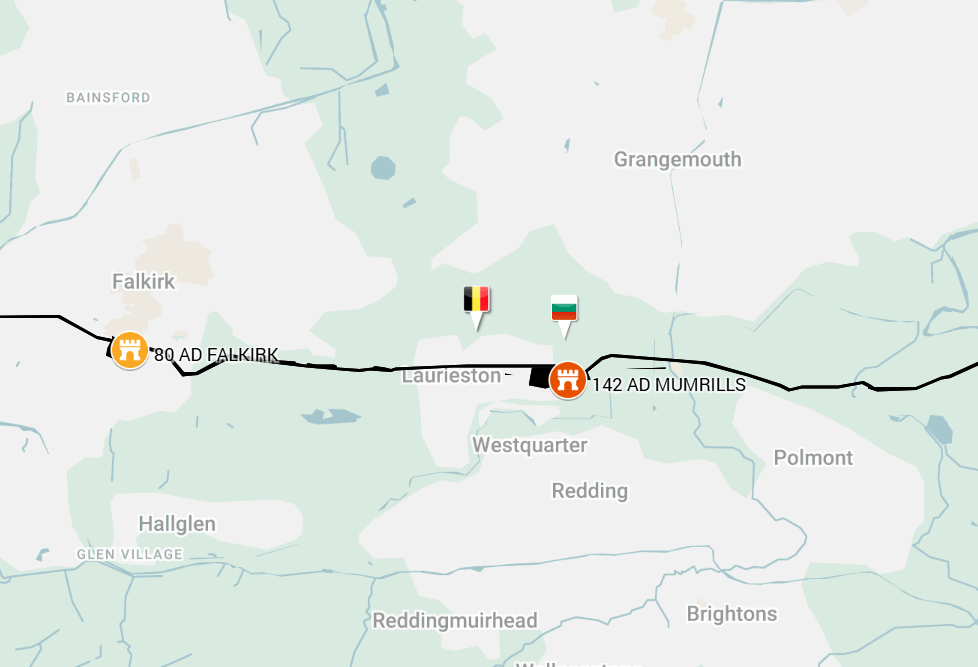
Timeline of Mumrills relevant to the Materna finds
| Date | Development | Significance for Materna |
|---|---|---|
| AD 120s | Hadrianic frontier was focused farther south; subsequent Roman strategy moved north under Antoninus Pius. | Background rather than a direct Mumrills context. |
| c. AD 140s | Construction/occupation of the Antonine frontier; Bailey identifies an early Antonine Mumrills fort in what later became the annexe. | Earliest secure broad setting in which Materna’s vessel could have reached the site. |
| Early–mid Antonine period | Fort layout altered; later/larger Mumrills complex superseded the earlier arrangement. | The ditch sequence into which the sherds were eventually discarded belongs to this restructuring. |
| c. AD 155 | The outer western ditch containing both Materna-related sherds was backfilled. | Best archaeological terminus: the vessels must have been made, imported and used no later than approximately this event, subject to the normal uncertainty of archaeological dating. |
| AD 160s | Antonine military occupation north of Hadrian’s Wall ended and the principal frontier shifted south again. | Later than the Materna ditch deposit; the graffiti therefore belong to an active Antonine-phase community rather than a late/post-Roman intrusion. |
| 1920s | Major Macdonald–Curle excavation. | Established the basic plan and large artefact assemblage. |
Other people at Mumrills
| ndividual/unit evidence | What is actually known | Relevance to Materna |
|---|---|---|
| Valerius Nigrinus — ala Tungrorum | Duplicarius of the Tungrian cavalry; altar dated AD 140–165; found 1.6 km SE of Mumrills. | Demonstrates cavalry personnel connected with the Mumrills landscape, but no direct link to Materna. |
| Nectovelius f. Vindicis — cohors II Thracum | Brigantian, 29 years old, nine years’ service; tombstone near Mumrills, AD 140–165. | Demonstrates ethnically mixed auxiliary community and supplies a named soldier contemporary with Materna’s horizon. |
| Cassius, signifer | Standard-bearer; unit lost; dedication to Mother Goddesses, AD 140–165. | Another contemporary named serviceman, but no prosopographic connection to Materna. |
| Materna | Feminine Latin cognomen on personal tableware, deposited by c. AD 155. | Evidence for a female-named ownership sphere within the same frontier community, not evidence that she belonged to a specific unit family. |
References
Image of shard found (Falkirk Museums)

