Edinburgh did not exist as a Roman city, but the modern capital contains major evidence for Rome’s repeated presence around the Firth of Forth. The fort at Cramond, roads through the Lothians and nationally important museum collections bring that story together.
Amazing fact
A Roman lioness sculpture found at Cramond appears to show a bound prisoner being killed—one of the most powerful Roman sculptures discovered in Scotland.
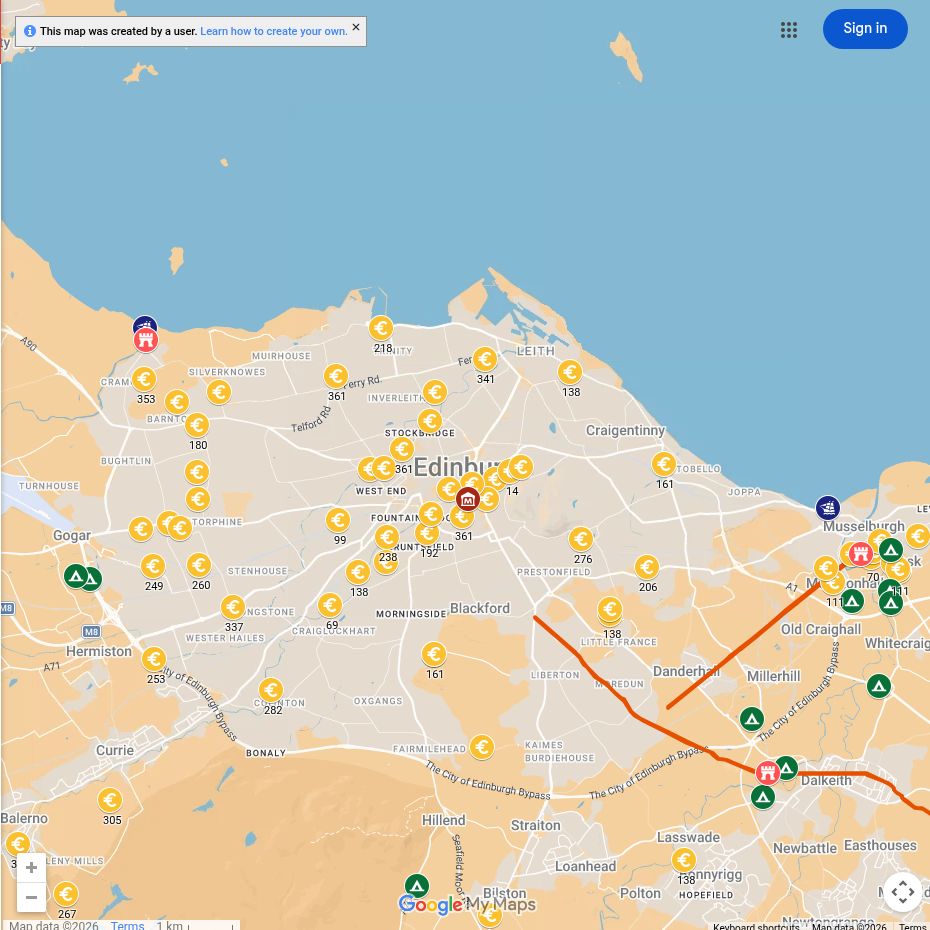
Explore Corstorphine: Roman Corstorphine brings together the local map, milestone and coin finds, the possible Broomhall fort, and activities for schools and families.
Why this area mattered
The Forth was a route for shipping and a barrier to movement. Cramond guarded the mouth of the River Almond and provided access to both sea and inland roads.
Roman places near you
Cramond
The fort was occupied in the Antonine period and again during the Severan campaigns. Visible remains include part of the bathhouse.
National Museum of Scotland
The museum contains the Cramond lioness, Antonine Wall distance slabs and objects from across Roman Scotland.
Roman roads
Routes linked Cramond with Inveresk, the Borders and central Scotland.
What can you see today?
Combine Cramond’s fort and riverside landscape with the National Museum of Scotland. Together they show both the local archaeology and the wider Roman story.

