The valleys of the Dee and Don carried Roman armies deep into north-east Scotland. Camps around Aberdeen reveal repeated campaigning rather than the growth of a permanent Roman town.
Discover the Roman stories nearby
Normandykes: a camp above the Dee
Explore an established temporary camp near Peterculter. Its archaeological identity is secure; assigning it to a particular emperor is a different question.
Kintore: feeding an army on the Don
Excavated ovens and charred plant remains show practical camp life. They provide firmer evidence than calculating a precise army size from the enclosure alone.
Explore the Roman sites map
Select the local map below to open the interactive view, then zoom or select a marker. Read the evidence notes below alongside it: a marker shows a recorded location or proposal, not proof that a Roman structure survives
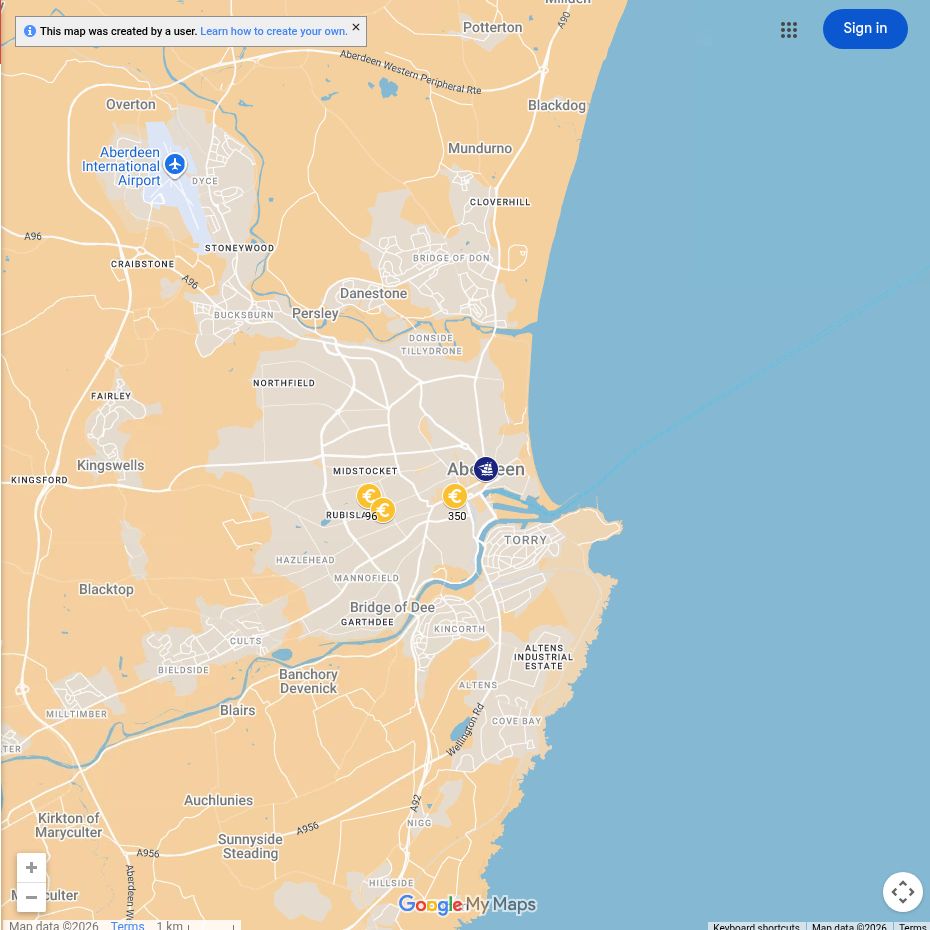
Open the interactive map full screen
What the evidence establishes
- Normandykes — established Roman camp. Survey and excavation support the identification; its exact campaign association remains uncertain.
- Kintore — excavated temporary camp. Internal features reveal activities that a simple perimeter plan cannot.
- Roman Aberdeen or Devana — proposed identifications. Roman objects or an ancient place-name do not establish a Roman city beneath modern Aberdeen.
Why this area mattered
River valleys provided movement corridors from the coast into the interior. Large temporary camps allowed armies to halt securely while scouting, gathering supplies or preparing for the next march.
Plan your visit: what survives today
- Normandykes, near Peterculter: use the recorded plan to understand the camp above the Dee. The landscape is not a visitor attraction with exposed Roman buildings; respect agricultural land.
- Kintore: much of the evidence came from development-led excavation. Read the plans before visiting; there is no complete standing camp to tour.
- Museums: consult current Aberdeen museum displays for local archaeological context. For the Roman camp story itself, the linked excavation reports are the most detailed resource.
Sources, finds and further reading
Start with the local articles above, then follow the excavation reports, archaeological records and collections below. Historical reports preserve valuable evidence but may use interpretations revised by later work.
- Normandykes archaeological record and excavation bibliography
- Normandykes scheduled-monument record
- Alexander (2000), excavations at Kintore — original report
- Scottish Archaeological Research Framework: Kintore camp
- Rebecca H. Jones (2011), Roman Camps in Scotland
- National Museums Scotland — comparative Roman collections; check object findspots and current displays.
Continue exploring
- Inside a Roman marching camp
- Mons Graupius
- Food and drink in Roman Scotland
- Roman ovens uncovered during Aberdeen bypass work — a separate discovery from the Kintore excavations; follow the linked report for its location.
- Dating Roman camps — useful context for campaign labels attached to Normandykes and other northern camps.

