The Inverurie district contains some of the strongest evidence for Roman campaigning in north-east Scotland. Camps at Kintore and Durno reveal armies moving and assembling in the Don valley and Garioch.
Discover the Roman stories nearby
Durno: a very large camp
Cropmarks and excavation establish the camp at Logie Durno. Its size is striking, but does not identify a battlefield or give a reliable headcount on its own.
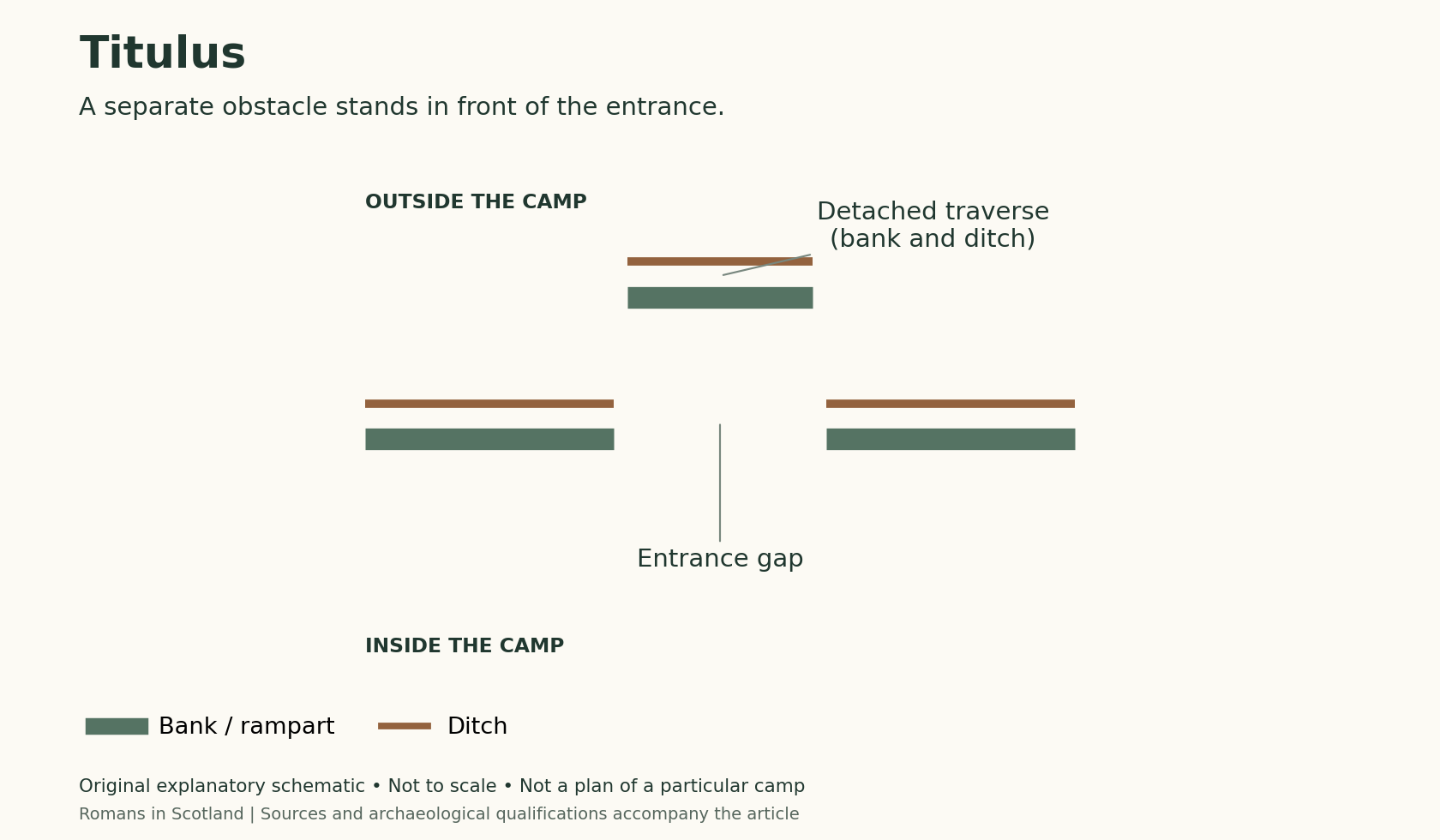
Kintore: the evidence inside the ditch
Compare Durno’s plan with the excavated cooking and plant evidence at Kintore. Different kinds of investigation answer different questions about army life.
Explore the Roman sites map
Select the local map below to open the interactive view, then zoom or select a marker. Read the evidence notes below alongside it: a marker shows a recorded location or proposal, not proof that a Roman structure survives
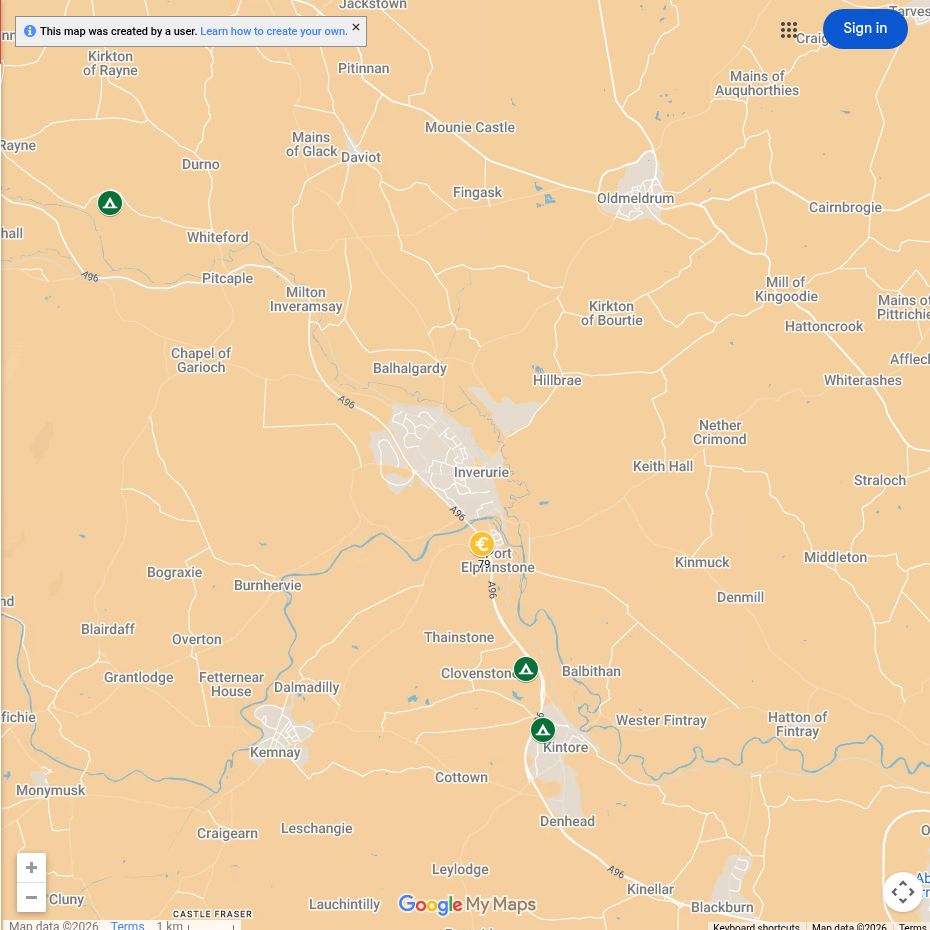
Open the interactive map full screen
What the evidence establishes
- Durno — established Roman temporary camp. Excavation checked parts of the enclosure first recognised from the air.
- Kintore — established and extensively investigated camp. Its ovens and other internal features are archaeological evidence, rather than reconstructions from army manuals.
- Bennachie and Mons Graupius — proposed association. Neither the nearby camp nor a resemblance to Tacitus’s description confirms the battlefield’s location.
Why this area mattered
The surrounding lowlands offered space for large forces and routes towards the coast, Deeside and the north. The landscape also features prominently in discussion of Agricola’s final campaigns.
Plan your visit: what survives today
- Durno: principally a cropmark and excavation site on agricultural land. Its scale is best appreciated from the plan; there is no exposed Roman fortress to walk around.
- Kintore: use the town and landscape for orientation alongside the excavation report, not in expectation of standing barracks.
- Bennachie: a hillwalking destination with its own archaeological history. A walk here can explore a battlefield hypothesis, but should not be advertised as visiting an identified Roman battle site.
Sources, finds and further reading
Start with the local articles above, then follow the excavation reports, archaeological records and collections below. Historical reports preserve valuable evidence but may use interpretations revised by later work.
- Aberdeenshire Historic Environment Record: Logie Durno, including St Joseph’s excavation references
- Alexander (2000), Kintore excavations
- Rebecca H. Jones (2011), Roman Camps in Scotland — Durno and Kintore catalogue entries.
- Kintore camp: research framework assessment
- National Museums Scotland — comparative Roman collections; check object findspots and current displays.
Continue exploring
- Mons Graupius
- Inside a Roman marching camp
- Advance beyond Inchtuthil
- Roman camp sizes and army strength — explains why Durno’s area cannot supply an exact troop count.
- Dating Roman camps — assess the evidence behind proposed campaign dates.

