-
300 Years of Military Attacks
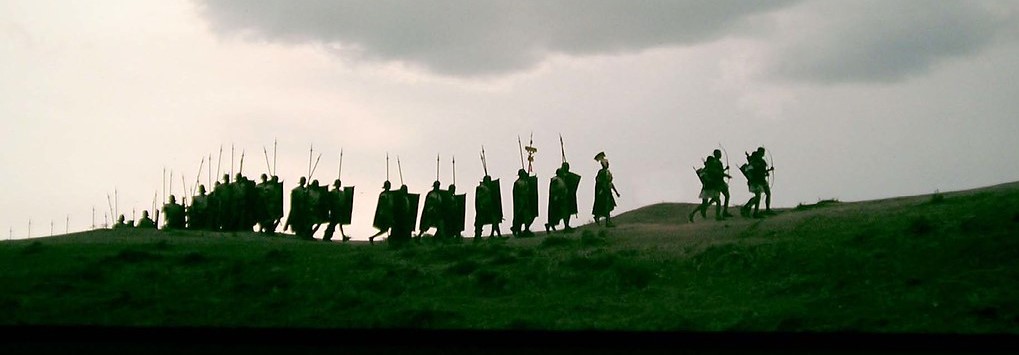
The Roman period in Scotland was a series of military attacks and brief occupations to reduce attacks on Roman England. No towns were built, and the occupation was to protect the frontier. As in Germany and North Africa, the Romans built barriers and watchtowers to protect and control who entered the empire. A series of…
-
Roman coin find in Orkney thrills archaeologists – BBC News
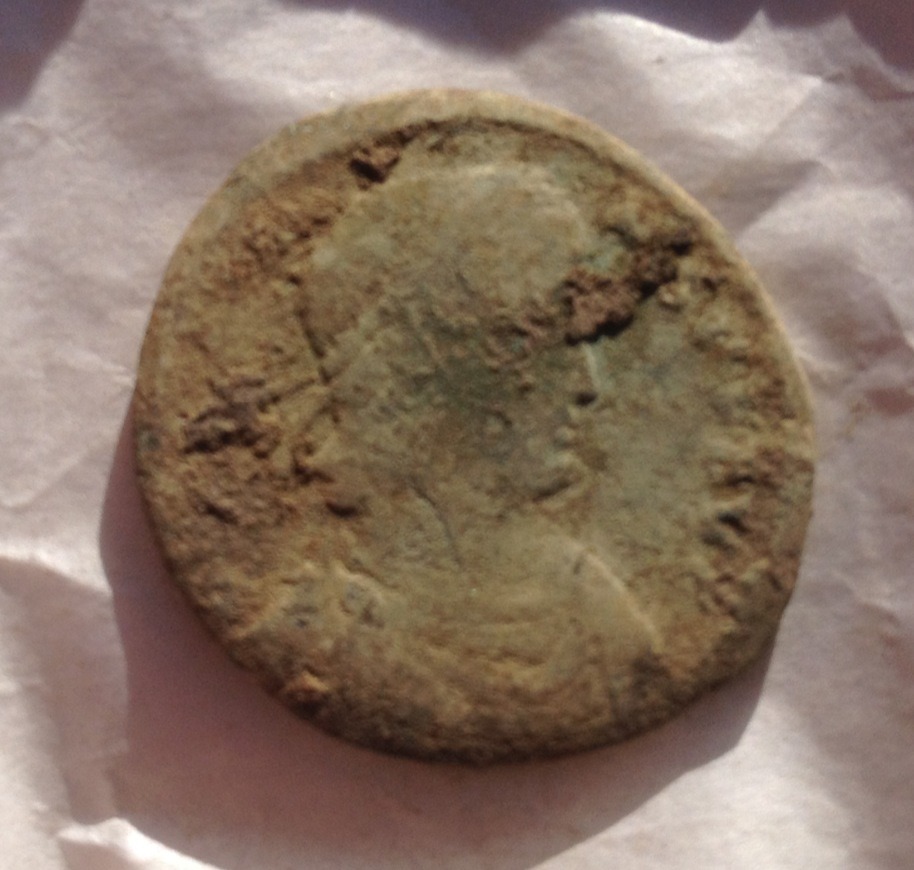
It is thought the copper alloy coin found during a dig in Orkney dates from the mid 4th Century AD. The coin depicts a bust of a person – possibly the emperor – on its obverse and a standing figure with an image of goddess Victoria on the reverse. It was made in Trier between…
-
Digital Atlas Roman and Medieval Civilisations
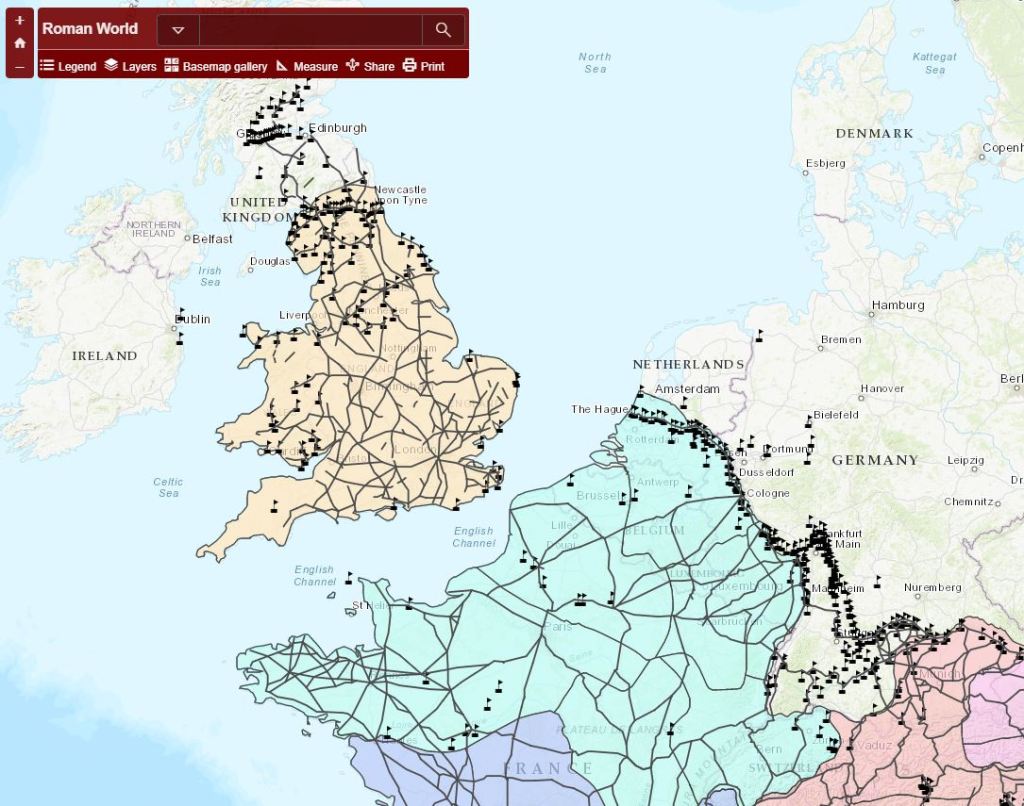
The Digital Atlas of Roman and Medieval Civilizations is an excellent site that lets you search for towns, villas mines, aqueducts or whatever you want. Click “layers” to select your options.
-
Scotland’s age of invasion: a lecture by Rebecca Jones
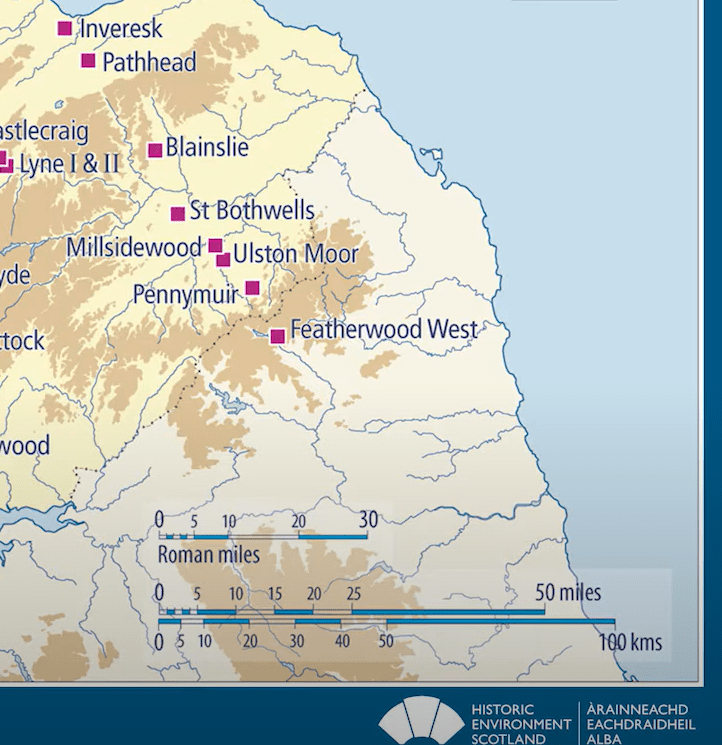
A Historic Environment Scotland lecture introduces Scotland’s Roman military landscape.
-
Vindolanda: letters from the Roman frontier
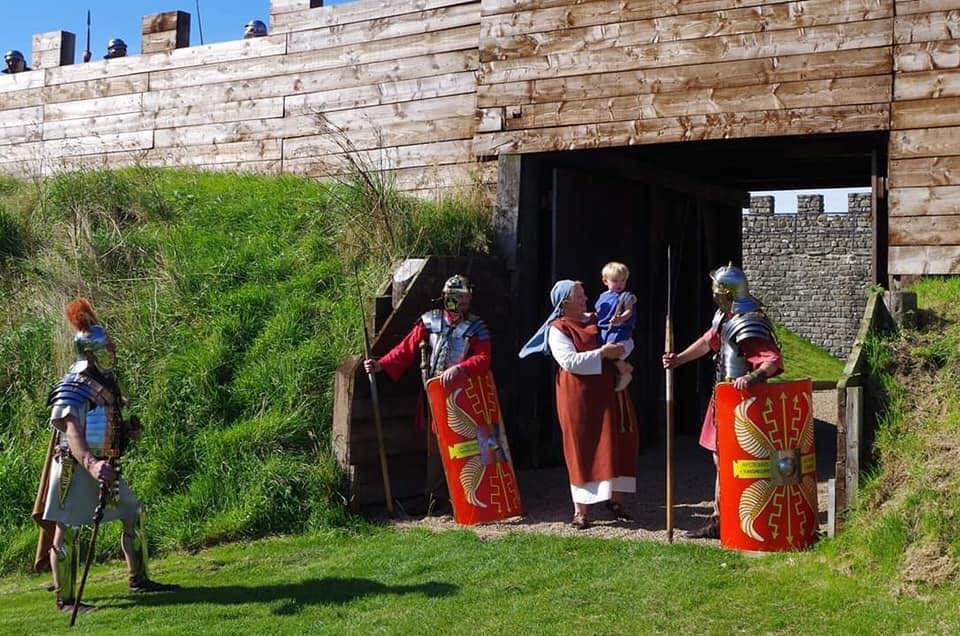
A documentary with dramatised scenes explores the human stories associated with the Vindolanda writing tablets.
-
Scotland: The Roman Presence 2012 – 70 Page Report
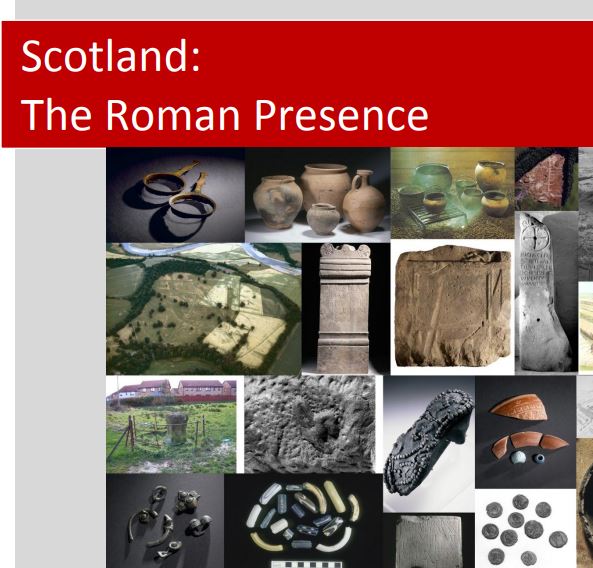
The document below has the 70-page report with maps on the Roman presence in Scotland. It is published by the Scottish Archaeological Research Framework (ScARF) Scotland: The Roman Presence
-
Roman Road, Nine Mile Burn (C) Richard Webb :: Geograph Britain and Ireland
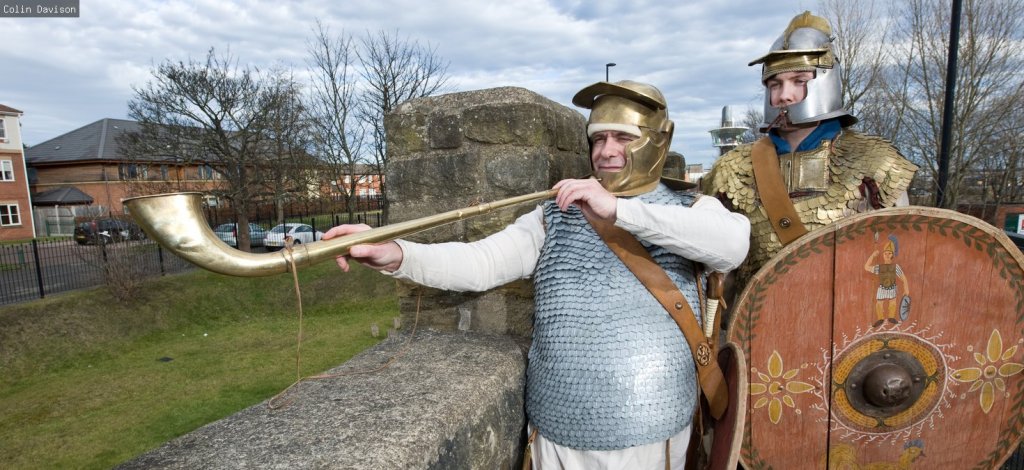
Source: Roman Road, Nine Mile Burn (C) Richard Webb :: Geograph Britain and Ireland
-
Romano Britain Website
An excellent site detailing life in Roman Britain https://www.romanobritain.org
-
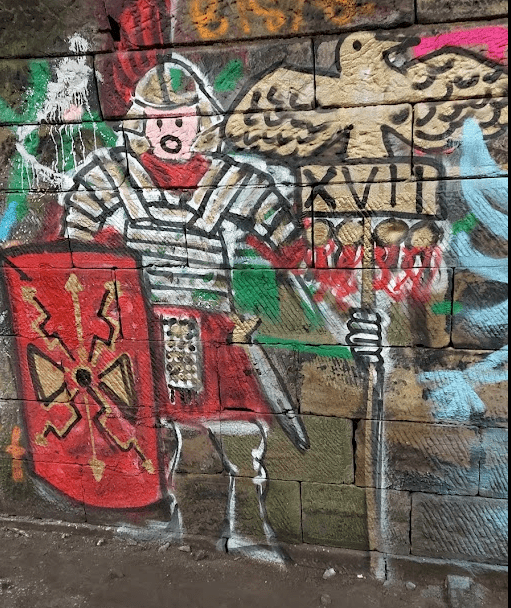
Hadrian’s Wall graffiti artists were very naughty boys | The Times
-
Roman Gask Ridge Watchtowers
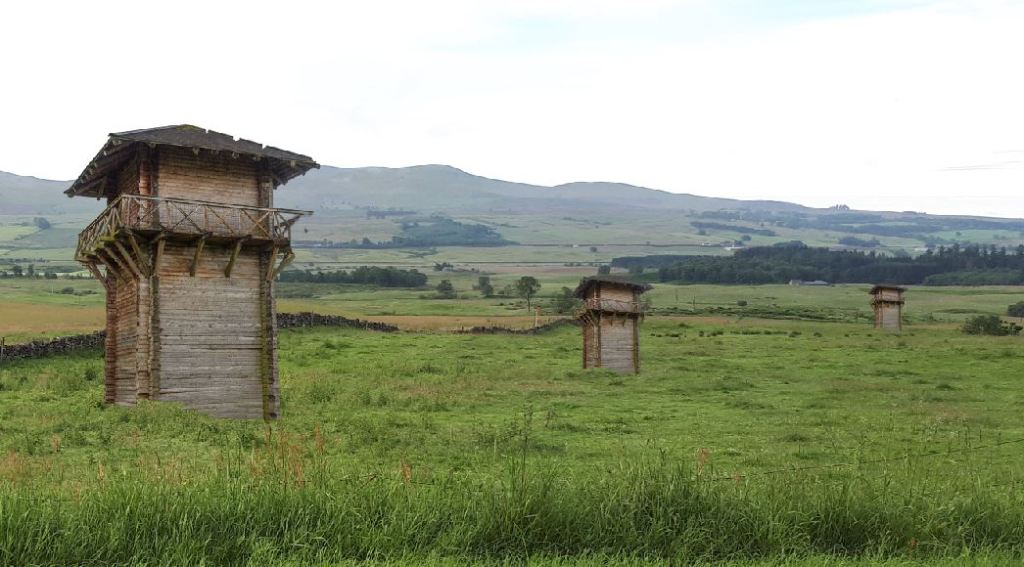
The Gask Ridge watchtower frontier system is the earliest Roman land frontier in the world, built in the late 70s or early 80s AD, 40 years before Hadrian’s Wall and 60 years before the Antonine Wall. It is also older than the Roman frontier Limes system in Germany. The watchtowers were there to observe and…
-
New evidence uncovered for Roman conquest of Scotland – HeritageDaily – Archaeology News
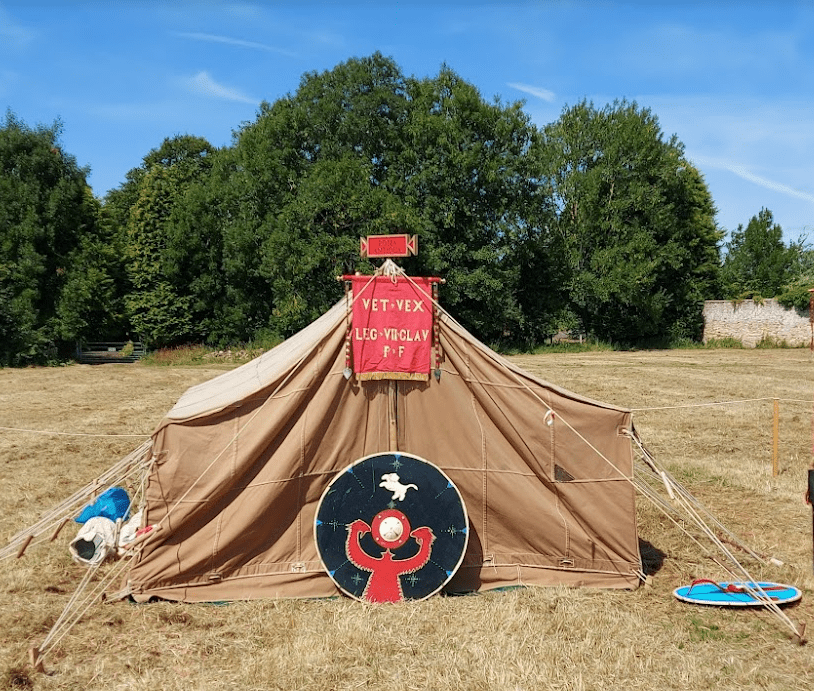
A Roman Marching Camp is found in Ayr with 26 ovens. Radiocarbon dating gives dates of AD 77-86 and AD 90, consistent with Agricola’s invasion. See article below. https://www.heritagedaily.com/2019/05/new-evidence-uncovered-for-roman-conquest-of-scotland/123820 Reference Ayr, Craigie House, Playing Field (Canmore)
-
Where did the army of Hadrian’s Wall come from? The origin of the Wall units
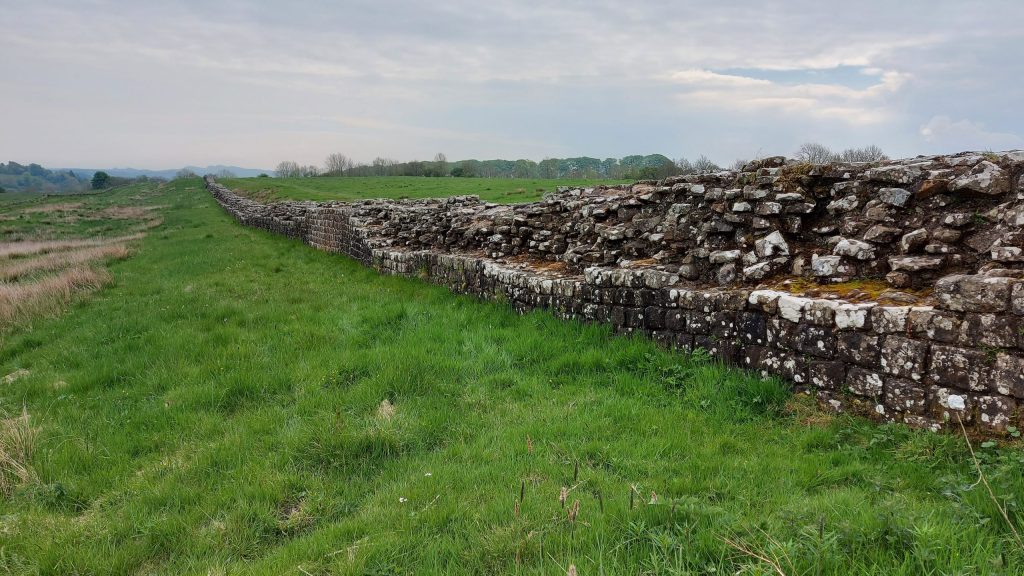
Learn about the different types of auxiliary unit which made up a garrison on Hadrian’s Wall. Source: Where did the army of Hadrian’s Wall come from? The origin of the Wall units
-
The Legions that invaded in 43AD
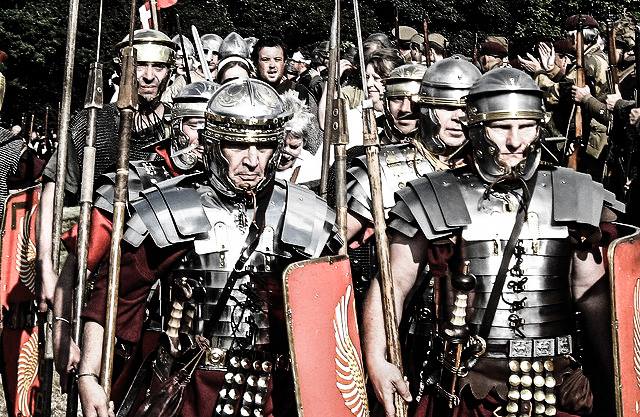
In 43 AD the Romans invaded Britain with an occupation army. Julius Caesar had invaded in 55 and 54 BC but that was an expedition rather than a conquering force. In the year 43 Claudius was emperor and he sent four legions from their port in Boulogne to land in the south of Britain. Legio…
-
FACT FILE: Where were the soldiers from? | The Vindolanda Trust
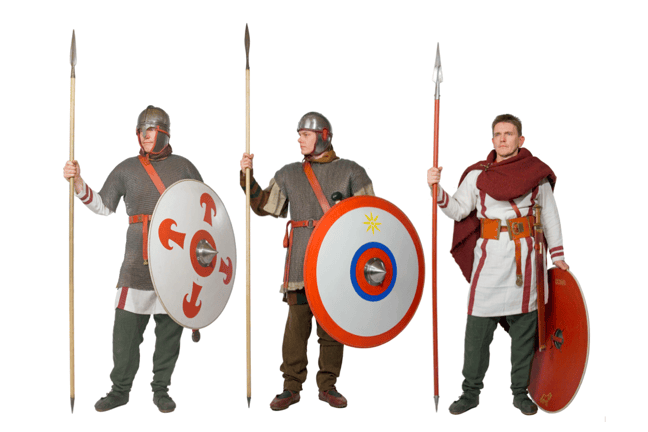
The soldiers serving at Vindolanda and Magna were from all over the empire. Find out more here. Source: FACT FILE: Where were the soldiers from? | The Vindolanda Trust
-
Ten top Roman Scotland sites – Scottish archaeology – History Scotland

https://www.historyscotland.com/articles/scottish-archaeology/ten-top-roman-scotland-sites (Now behind paywall)
-
Shaping Roman Scotland | MalagaBay
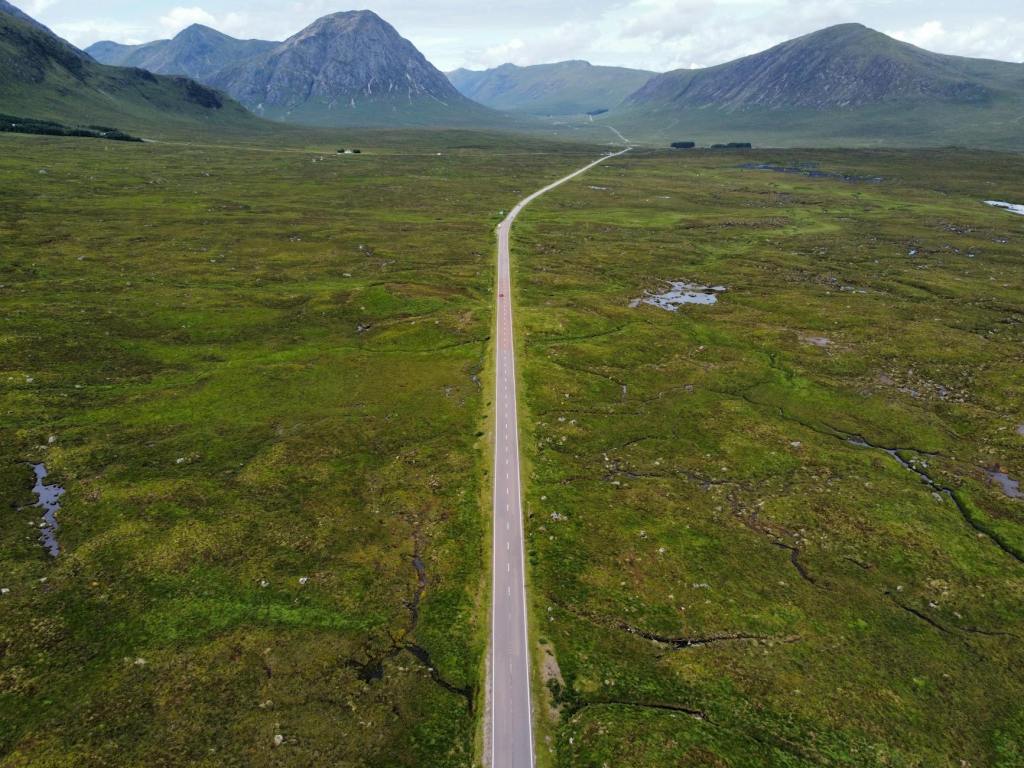
Roman forts reflect the geological changes that have shaped Scotland and Scottish history. Source: Shaping Roman Scotland | MalagaBay
-
Cramond Roman Fort
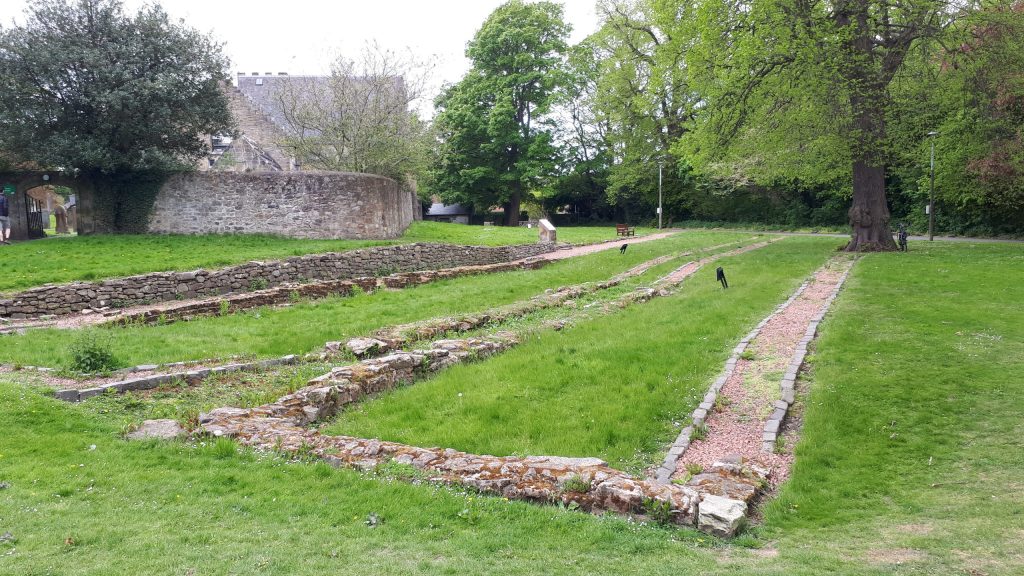
Cramond is an amazing fort which had Visit Cramond Roman Fort 📍 Location: Cramond, Edinburgh 👁 What survives: Parts of the fort complex and associated bath-house archaeology can be appreciated around the village, while extensive remains survive below ground. ⭐ Best for: Combining Roman archaeology with an attractive riverside setting and the remarkable finds from…
-
Castle Greig Roman fort – Forestry and Land Scotland
Visit Castle Greig Roman Fort 📍 Location: Castle Greig, in the Scottish Borders forest landscape 👁 What survives: Earthworks survive in the forest landscape and can be read as a Roman military site. ⭐ Best for: A remote Roman site where archaeology and landscape can be explored together. 🥾 Visit: A countryside and forestry visit…
-
8 Roman Auxilliary Units That Served on the Antonine Wall | History Hit

In the second century AD these units served Source: 8 Roman Auxiliary Units That Served on the Antonine Wall | History Hit
-
Scottish stonemasons rewrite Roman history of Antonine Wall | Scotland | The Sunday Times
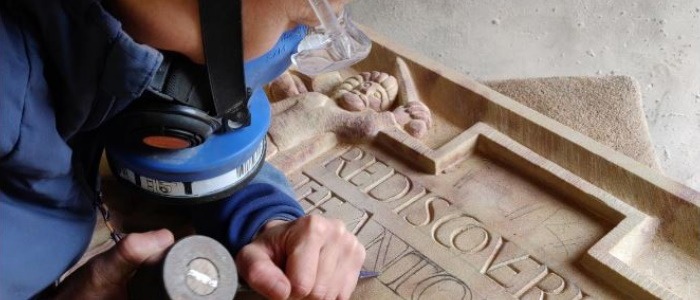
Scenes revising the history of the Roman occupation of Scotland are being carved for a celebration of the ancient Antonine Wall.They highlight a hidden truth behind the Empire’s most north-westerly frontier. Source: Scottish stonemasons rewrite Roman history of Antonine Wall | Scotland | The Sunday Times
-
Legio XXII Primigenia (elements of)

The twenty-second was stationed in Mainz, Germany but there is evidence that elements of the legion were stationed in Scotland. This is thought to have happened during Hadrian’s Reign in 120 AD and also during the Antonine period in 142 AD. Thirdly it may have been part of Septimus Severus’s campaign in 205 AD. References…
-
Rare Roman altar stones uncovered in Musselburgh – BBC News
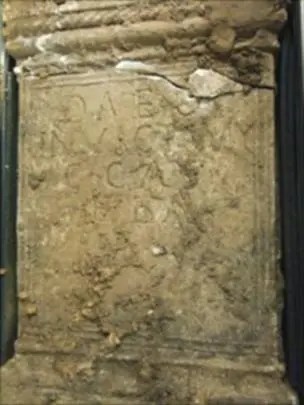
Two rare, carved altar stones found in East Lothian could shed new light about the Roman period in Scotland, it is claimed. Source: Rare Roman altar stones uncovered in Musselburgh – BBC News The official technical report is Gooder, J. (2010). Lewisvale Park, Musselburgh: Monitored Topsoil Strip and Excavation. AOC Archaeology Ltd. https://doi.org/10.5284/1019611.
-
The Romans and The Antonine Wall of Scotland – John Richardson – Google Books
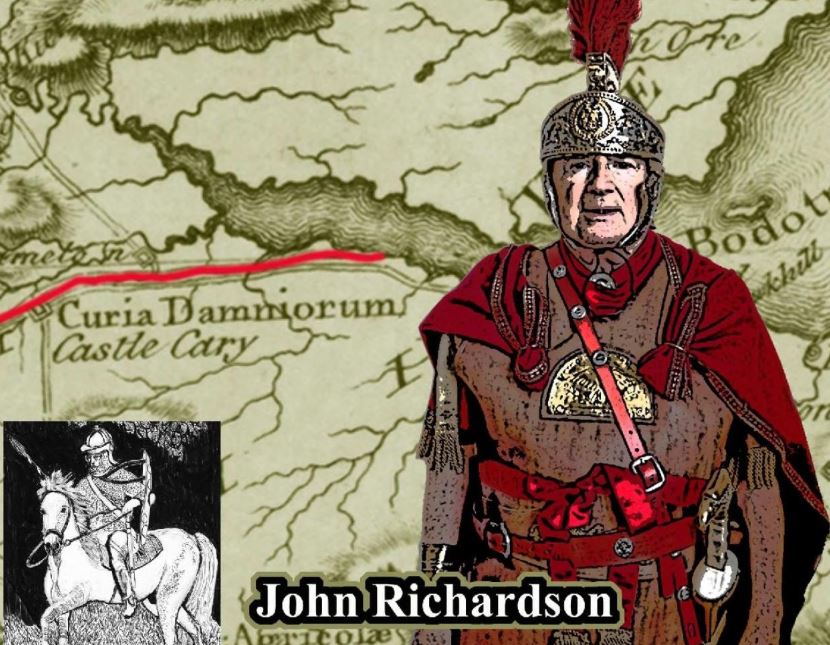
You can read a chapter on this book for free from Google Books below. The Romans and The Antonine Wall of Scotland – John Richardson – Google Books or buy from Amazon
-
Melrose – Trimontium Museum
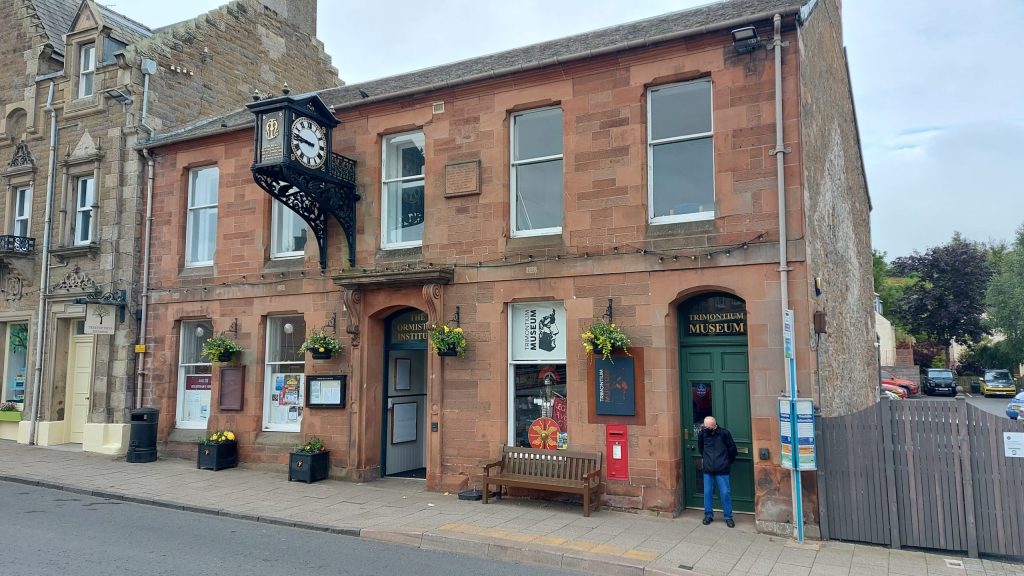
Trimontium Museum is the best starting point for exploring the Roman story of Melrose and the Scottish Borders. Its displays bring together the remarkable archaeology of the great fort complex at Newstead, where Roman soldiers, local communities, traders and families lived at different periods between the late first and second centuries AD. The museum is…
-
Romans in Scotland: Soldiers at Bearsden — Live at Five, part 4
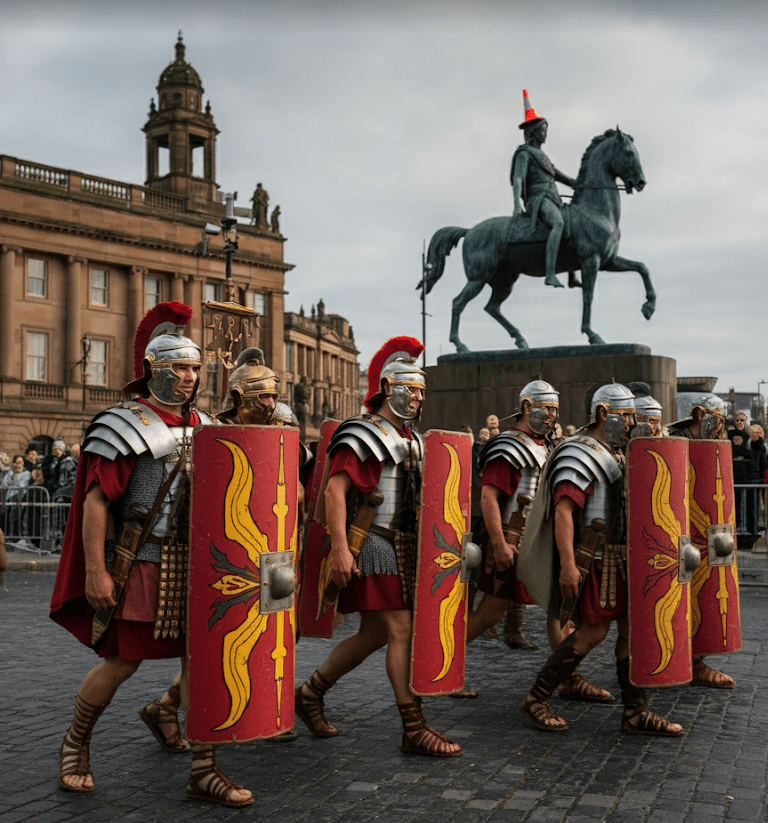
Fergus Sutherland and Adrian Cox visit Bearsden to explore the frontier and the lives of its soldiers.
-
Romans in Scotland: What the Romans left behind — Live at Five, part 5
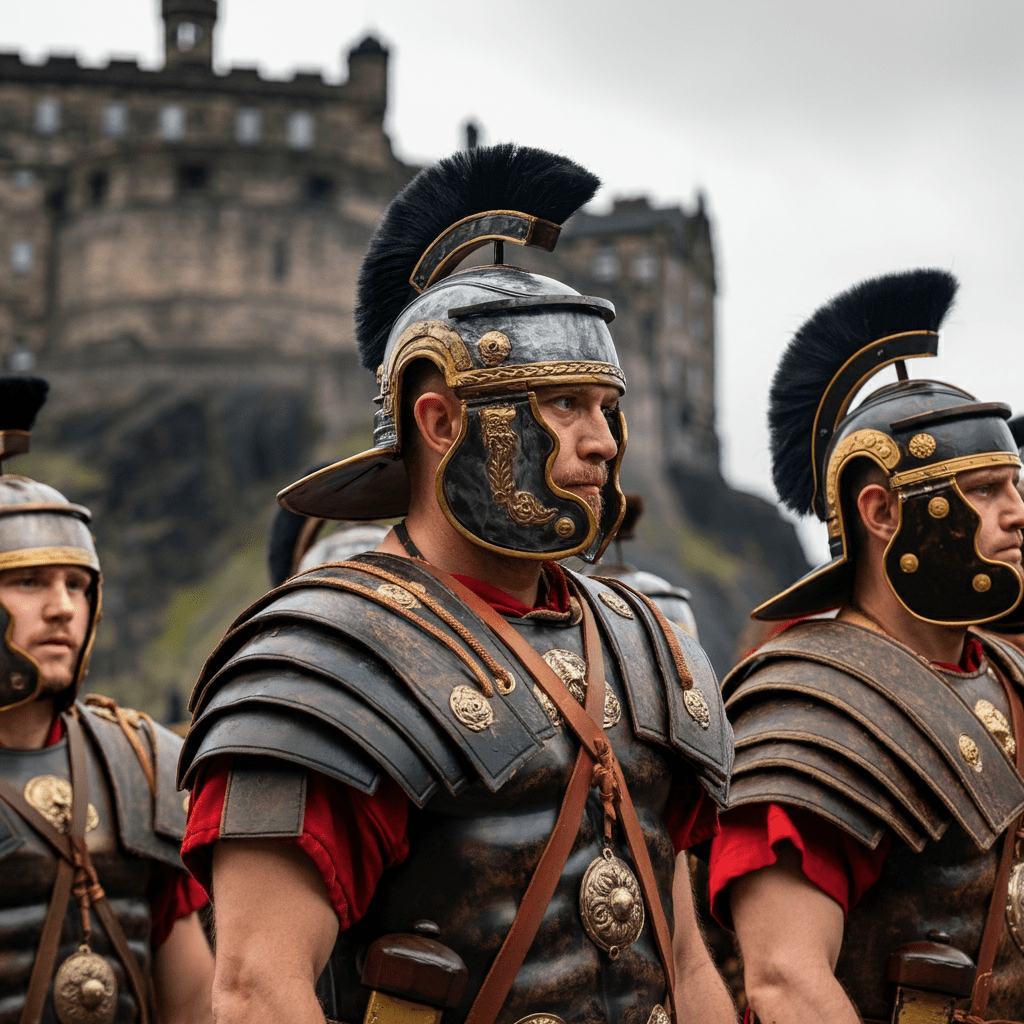
Fergus Sutherland considers the traces of Rome that remain in Scotland in the final instalment.
-
When the Romans tried to conquer Moray
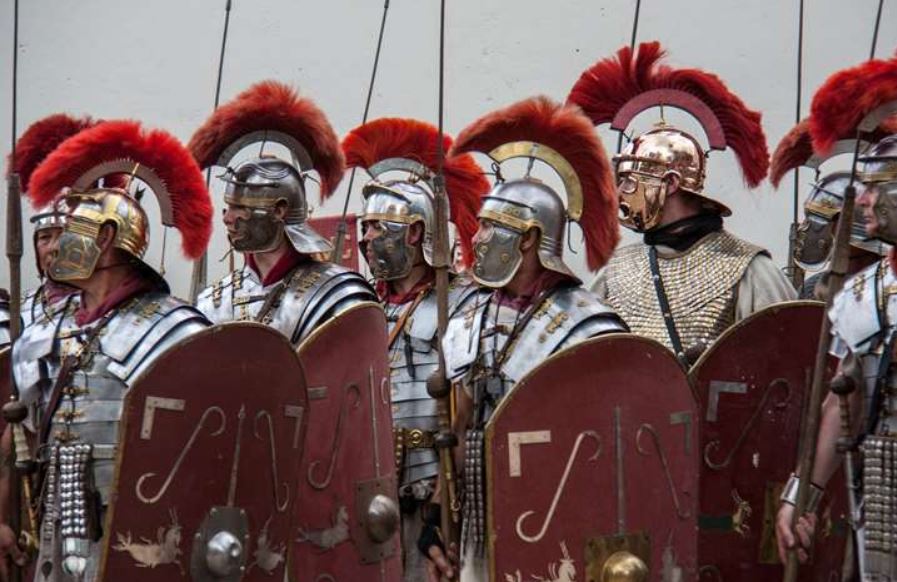
-
Visit Hadrian’s Wall | Official visitor information
Official visitor information Source: Visit Hadrian’s Wall | Official visitor information
-
Cramond lioness
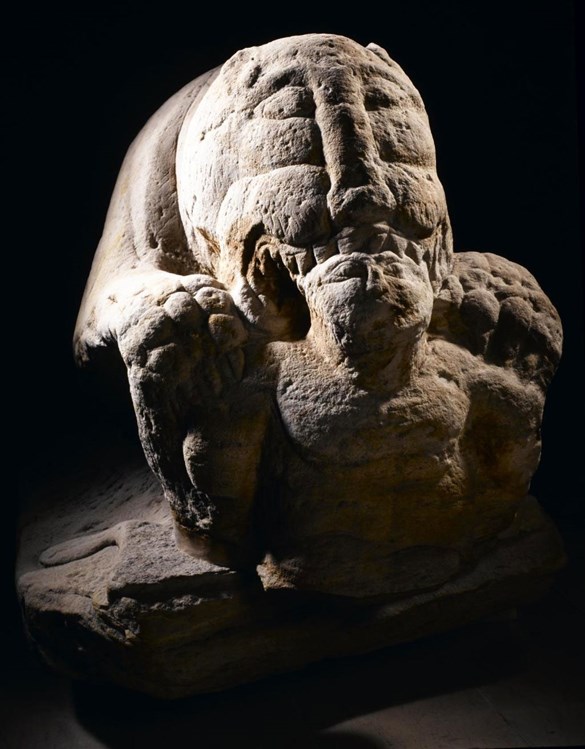
In 1997, ferryman Robert Graham unearthed a sandstone sculpture from the mud of the River Almond, Cramond, Edinburgh. It turned out to be one of the most important Roman finds in decades. Cramond Lioness by National Museums Scotland on Sketchfab Source: Cramond lioness
-
Antonine Wall | Frontiers of the Roman Empire
Source: Antonine Wall | Frontiers of the Roman Empire
-
Traprain law dish
New research and digital technology has allowed us to recreate a huge Roman dish from the Traprain Law hoard. Source: Traprain law dish
-
Dere Street Roman Road | Historic Environment Scotland | HES
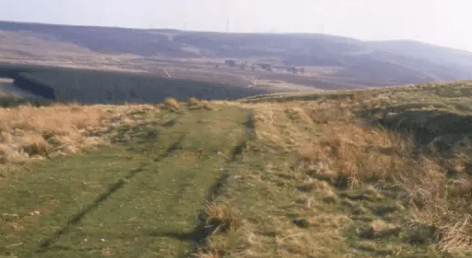
Walk in the footsteps of Roman soldiers on the empire’s main road through the south of Scotland. Source: Dere Street Roman Road | Historic Environment Scotland | HES
-
Romans in Scotland: Rome’s arrival in Scotland — Live at Five, part 1
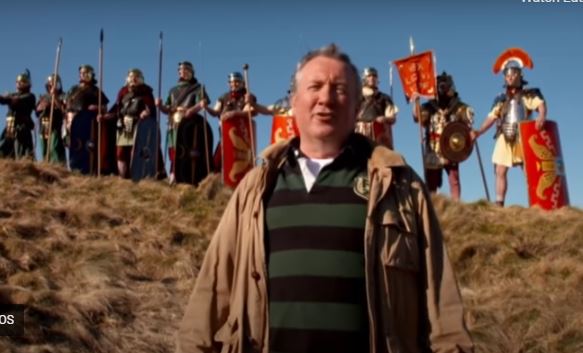
Fergus Sutherland introduces the Roman presence in Scotland in the opening instalment of this five-part television series.
-
Romans in Scotland: Exploring the Antonine Wall — Live at Five, part 2
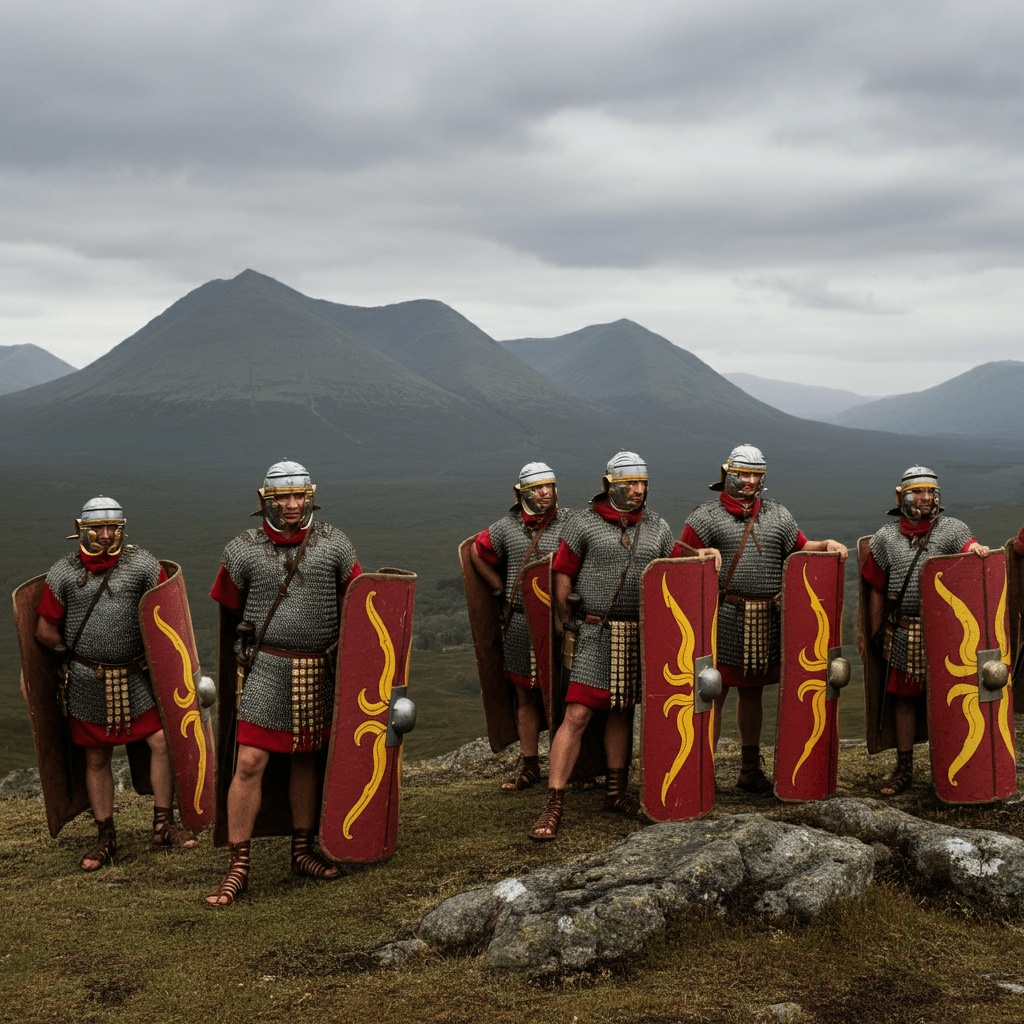
Adrian Cox and Fergus Sutherland look at the Antonine Wall and the remains that can still be seen.
-
Romans in Scotland: The Roman soldier — Live at Five, part 3
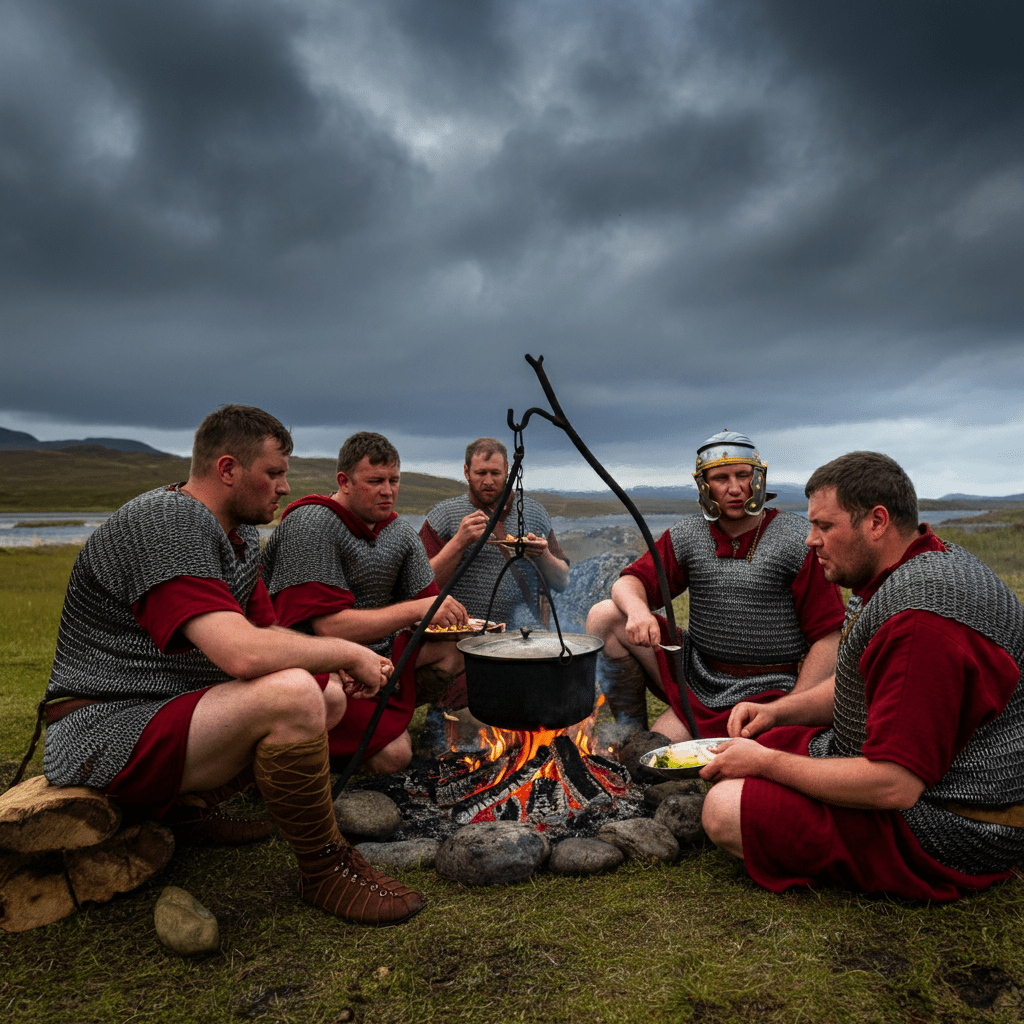
Fergus Sutherland explores how Roman soldiers were dressed and trained.
-
Books to Buy on the Romans in Scotland
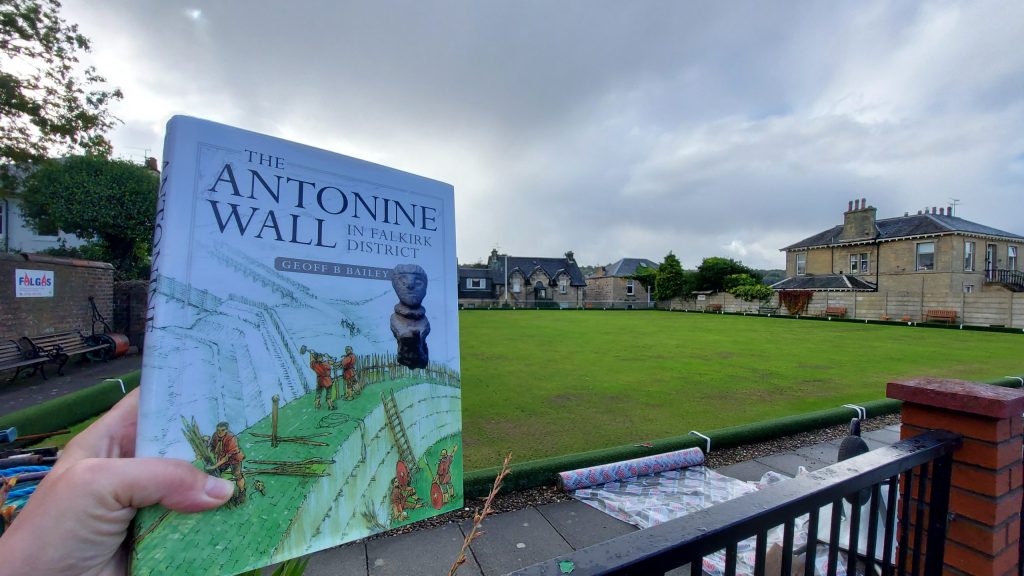
These are the books I refer to when researching Romans in Scotland. Many of them are heavy reading as they are written by professionals for an academic audience. There are several Free Books on the Romans in Scotland to download and read. Books to buy (click on the image to get details on Amazon, publisher…
-
(6) The Trimontium Trust & Museum | Facebook
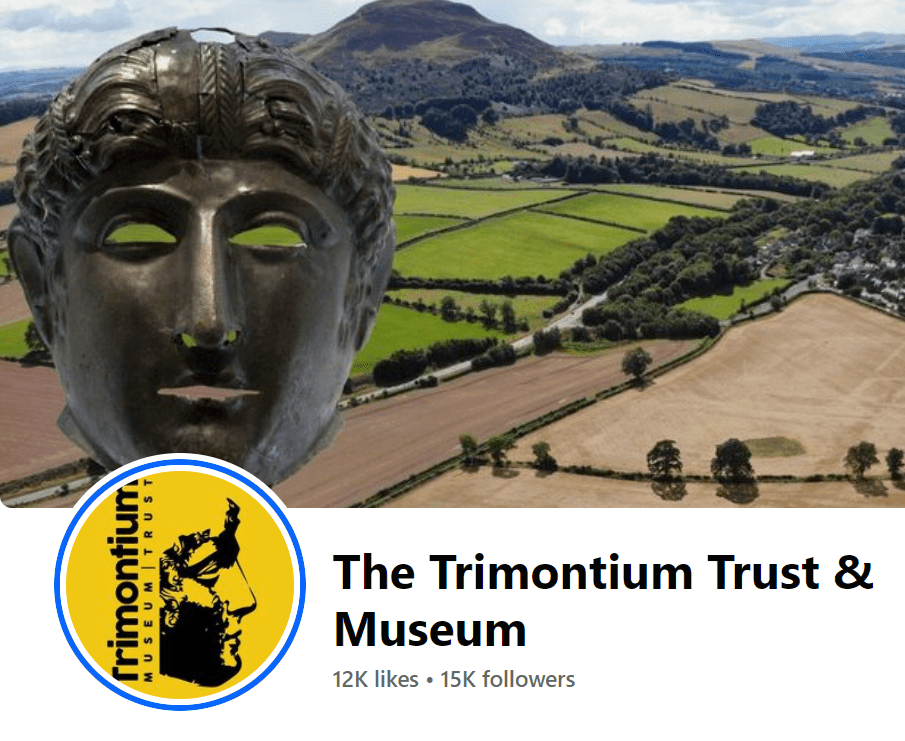
My favourite site on the Romans in Scotland full of interesting stuff Source: (6) The Trimontium Trust & Museum | Facebook
-
Women on the Antonine Wall
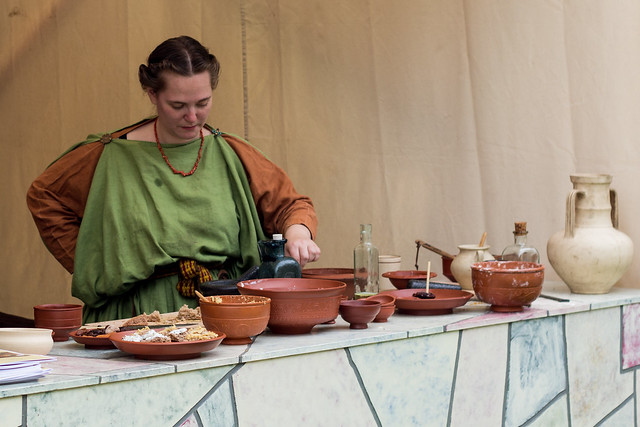
A longer recording from the Antonine Wall channel invites viewers to explore women’s place in the frontier’s story.
-
BBC – Scotland’s History – The Antonine Wall
BBC Scotland’s History article about the Antonine Wall Source: BBC – Scotland’s History – The Antonine Wall
-
Antonine Wall Bridgeness Commemorative Stone
Commemorative inscription on a sandstone slab, recording the Roman army’s dedication of the building work on the easternmost part of the Antonine Wall to their Emperor, from Bridgeness, West Lothian, 142 – 143 AD “For the Emperor Caesar Titus Aelius Hadrianus Antoninus Augustus Pius, father of his country, the Second Legion Augusta built (this work)…
-
RIB 2139. Distance slab of the Second Legion Augusta | Roman Inscriptions of Britain
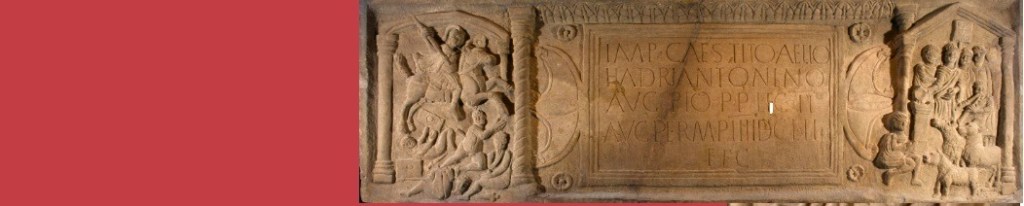
For the Emperor Caesar Titus Aelius Hadrianus Antoninus Augustus Pius, father of his country, the Second Legion Augusta built (this work) for a distance of 4,652 paces. Source: RIB 2139. Distance slab of the Second Legion Augusta | Roman Inscriptions of Britain
-
Home | Roman Inscriptions of Britain
Source: Home | Roman Inscriptions of Britain
-
Roamin’ with the Romans | Historic Environment Scotland | HES
How would you like to virtually ‘handle’ the past? Use our digital models to help you immerse yourself in day-to-day life along the Roman frontier. Source: Roamin’ with the Romans | Historic Environment Scotland | HES
-
File:Antonine.Wall.Roman.forts.jpg – Wikimedia Commons
Source: File:Antonine.Wall.Roman.forts.jpg – Wikimedia Commons
-
Colouring Roman sculpture: a video with Louisa Campbell
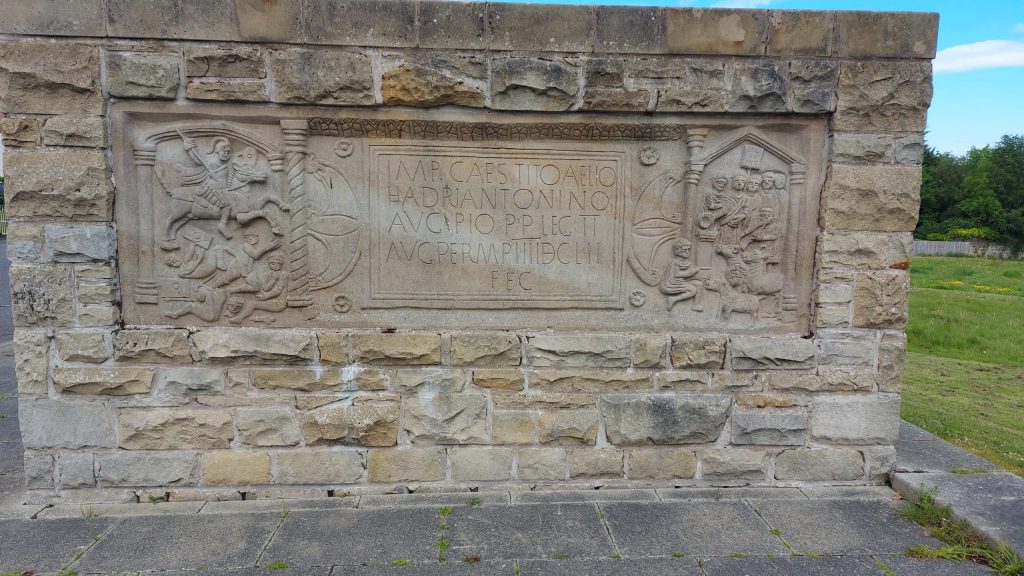
Explore evidence that Roman carved stones once looked very different from their weathered surfaces today.
-
The Antonine Wall: Rome’s final frontier
A University of Glasgow video introduces Scotland’s Roman frontier.
-
Caligula – as the statue looked in Roman times
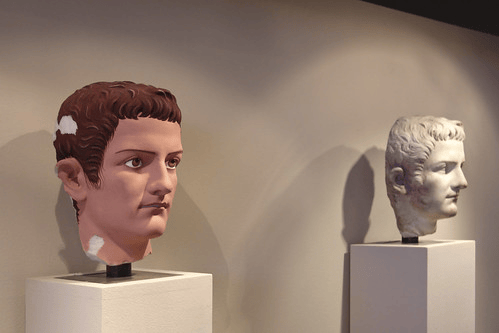
Roman statues were not the white we see today but were painted. This recreated bust of Caligula uses the pigments found by scientific analysis. Gaius Iulius Caesar Germanicus; Antium (Anzio), 31 VIII 12 – Roma, 24 I 41 AD The original portrait from the Copenhagen Carlsberg Glyptotek and the proposed coloured reconstruction Vatican Museums 2004/2005…
-
Roman Bas Reliefs in Original Colour
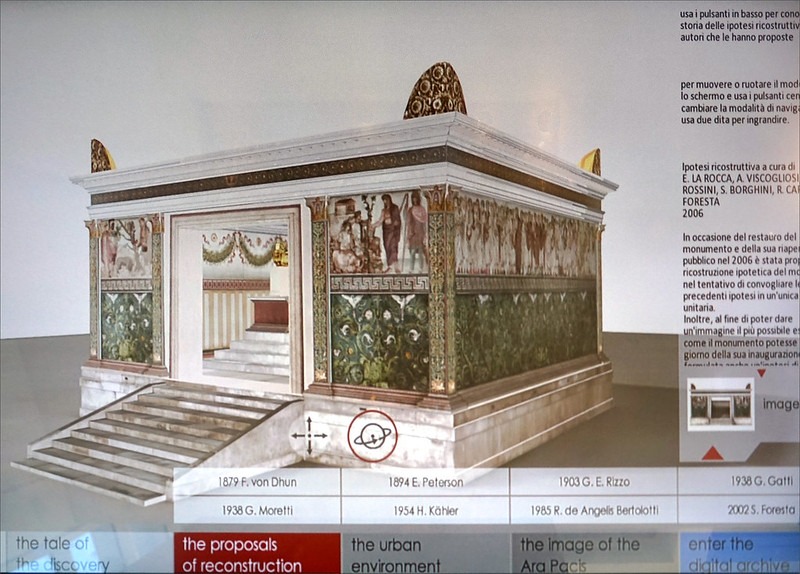
A bas relief was commissioned by the Roman Senate in 13 BC in honour of the triumphs of Emperor Augustus and the above shows an interpreation of the original colours. The bas-relief can be seen in Rome at the Museo dell’Ara Pacis or online at https://www.arapacis.it/en/node/1008725
-
Gnaeus Julius Agricola 78 AD
Agricola was born in the south of France and educated in Marseille. He was made governer of Britain in 77. He conquered Wales and northern England and in 78 invaded Scotland. In the map below showing his campaign Eburacum is the Roman name for York and Inchtuthil is the biggest Roman legionary fort in Scotland…
-
BBC Two – Scotland: Rome’s Final Frontier, Inchtuthil – animation
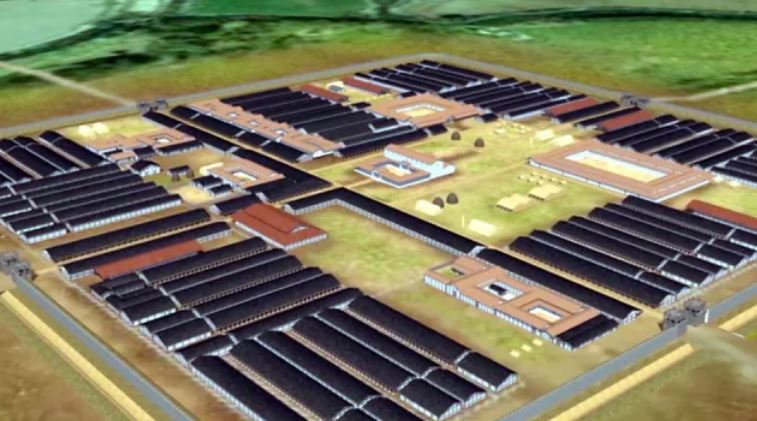
This legionary fortress was the northern advance HQ for the force led into Scotland. Source: BBC Two – Scotland: Rome’s Final Frontier, Inchtuthil – animation
-
Inchtuthil:Rome’s Legionary Fortress at the Edge of the Highlands

On a broad plateau above the north bank of the River Tay, near Caputh and Murthly in Perthshire, lie the remains of one of the most important Roman military sites anywhere in Britain. Visit Inchtuthil Roman Fortress 📍 Location: Near Caputh and Murthly, Perthshire 👁 What survives: Subtle earthworks mark the enormous legionary fortress; excavation…
-
Black Hill Camp

Flavian period temporary camp. Emperor Septimius Severus and his son Caracalla led an army of over 30,000 men north of Hadrian’s wall to conquer the Caledonian tribes. It was the largest army ever to invade Scotland and this is one of their camps. Source: Ardoch | Canmore
-
Pastmap – Rich Interactive mapping
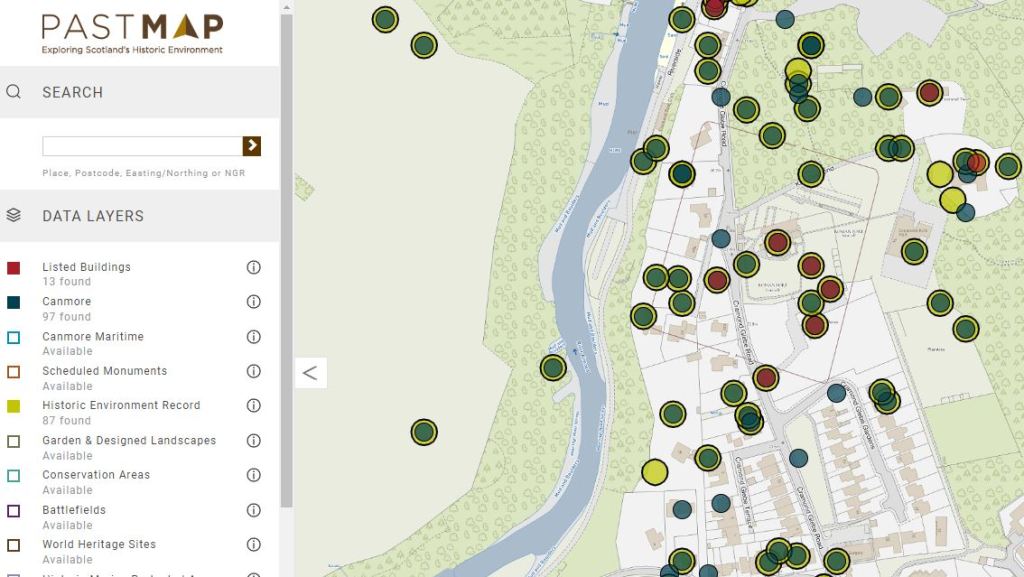
Pastmap is an interactive resource showing exactly what is available pulling in data from various sources. You have to zoom into the area of interest to see the detail as above.
-
THE ROMAN ROAD EAST OF CASTLEDYKES, LANARKSHIRE on JSTOR
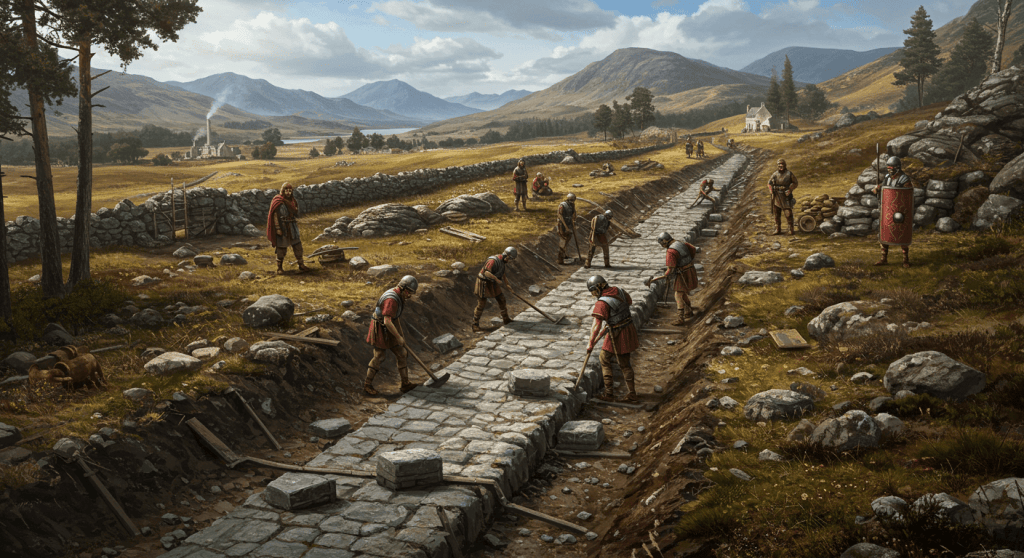
The main point of interest from this study is the fact that there are two Roman roads – an older less well engineered original and then a newer road on top. This might reflect the fact that there were 3 military campaigns in Scotland over the 300 years and the need for quality roads. The…
-
How to Cook Like a Roman: 8 Steps (with Pictures) – wikiHow
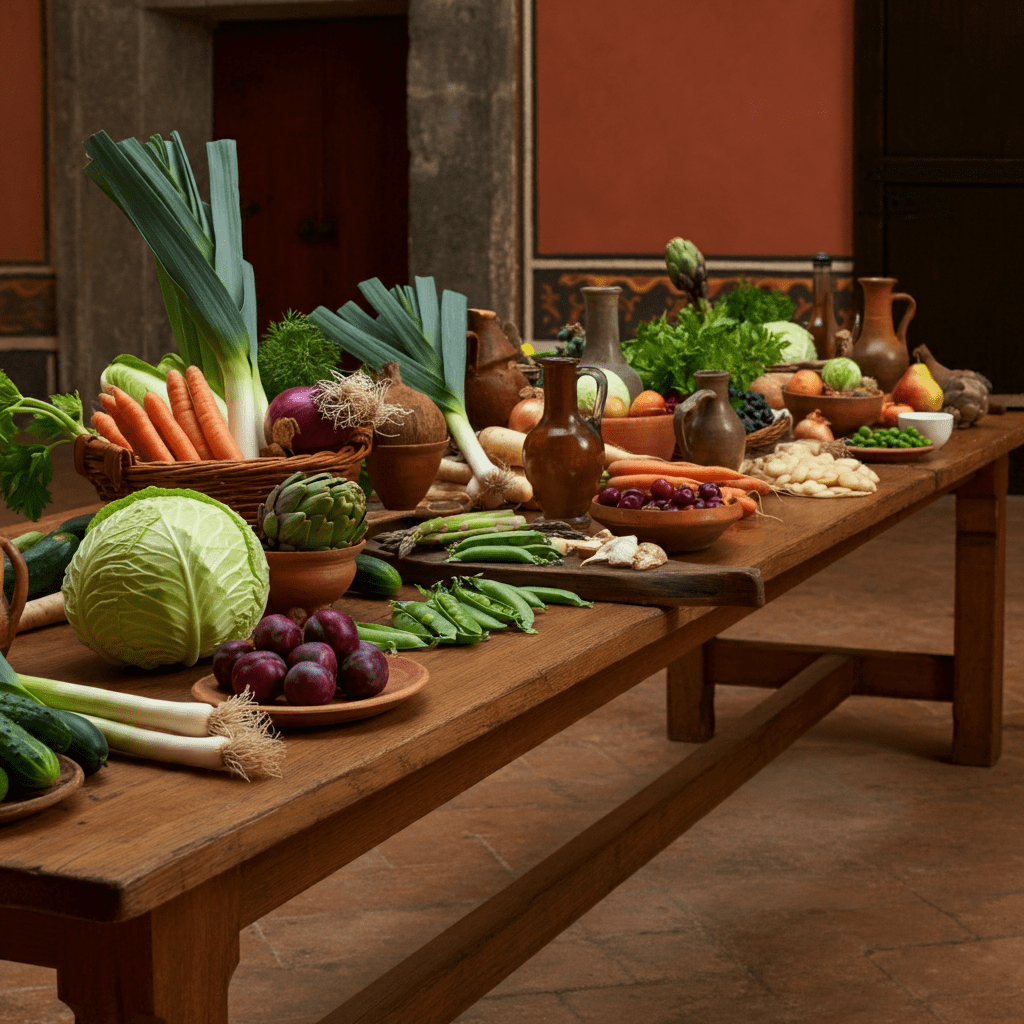
Source: How to Cook Like a Roman: 8 Steps (with Pictures) – wikiHow
-
Food of the Romans
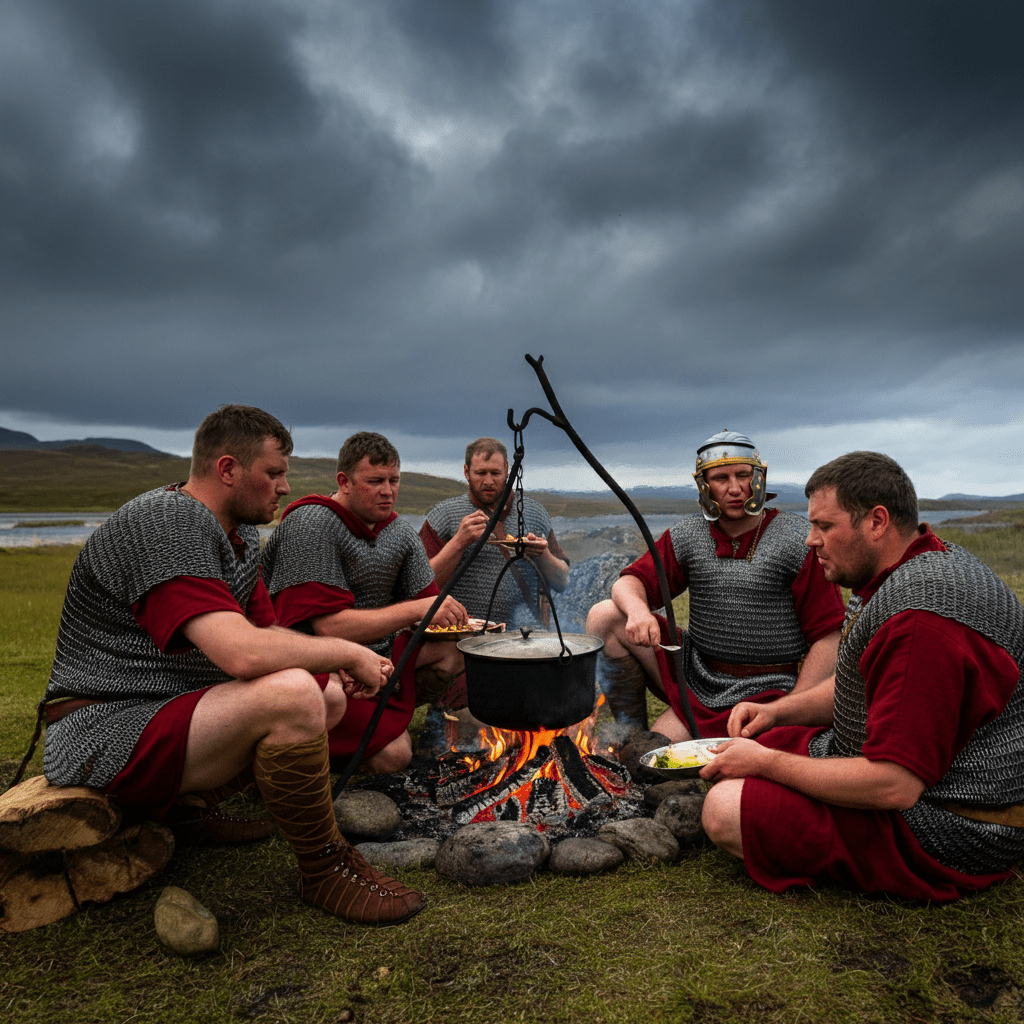
The variety of food eaten by the Romans is shown by analysis of the latrines and rubbish dumps as well as the cook books that survive. Many foods were introduced to Britain and recent DNA analysis even shows the British Apple came from North Western China through Roman invasion. The following foods were introduced and…
-
Trade and Roman Influence
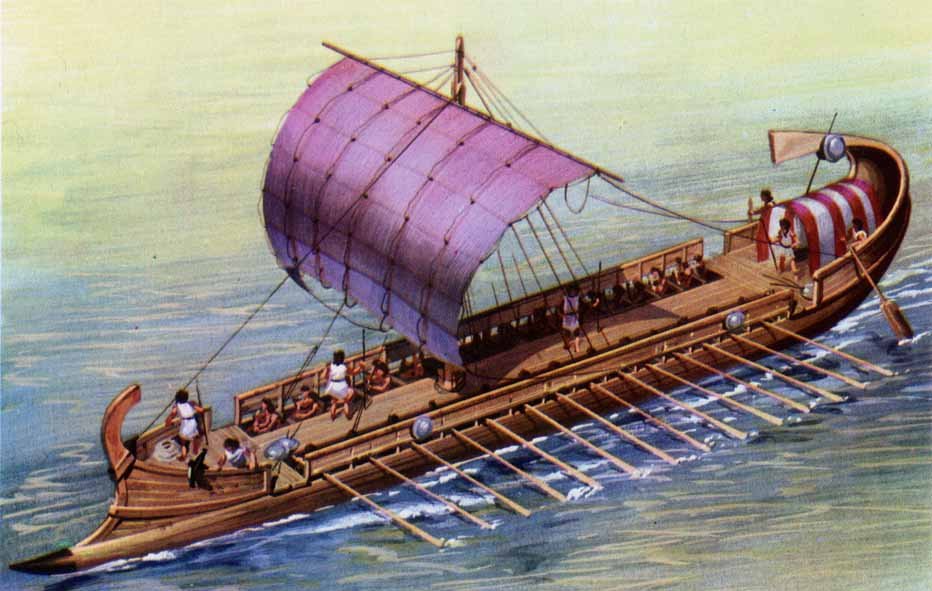
The Roman military occupation of Scotland required interaction with local people. No Roman town was ever established in Scotland, and trade was on a basis of supporting the occupation army. One Roman technique used to keep the peace was to buy off local chieftains with goods and status. A detailed study of Scottish settlements gives…
-
Roman Cookware
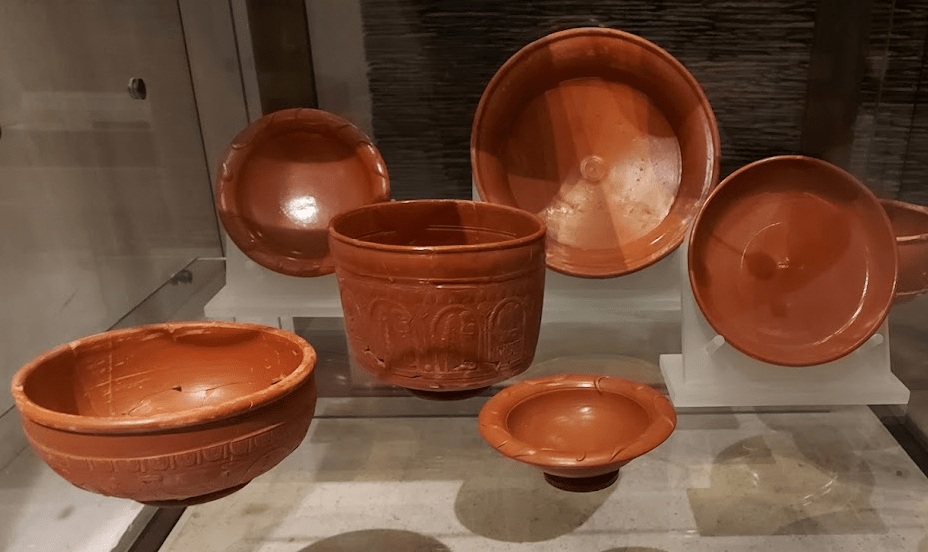
The Romans introduced many food stuffs and cookware to Scotland that had previously been unknown. Samian ware were pottery bowls made in France T
-
The Batavians (Dutch)
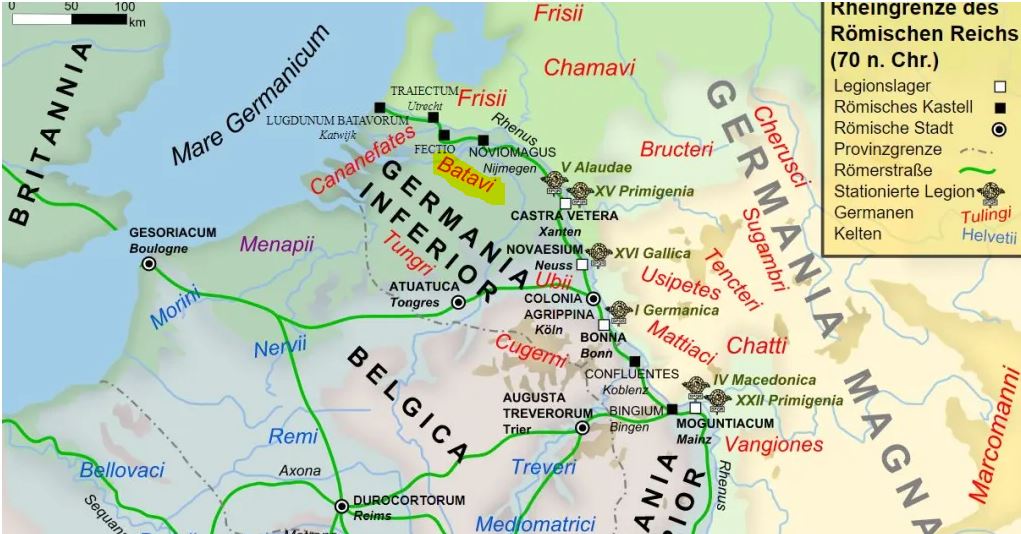
The Batavians lived on the River Rhine in what is now the Netherlands, and the Romans recruited many cohorts (500 soldiers) of troops from this tribe. They were tall with red hair, renowned for horsemanship and the ability to cross rivers in perfect formation and lead in amphibious operations without ships. Eight cohorts of Batavians…
-
Bearsden: the rediscovery and excavation of a Roman fort – The Archaeopress Blog

David Breeze provides an introduction and detailed context for his new book ‘Bearsden: The Story of a Roman Fort’ Source: Bearsden: the rediscovery and excavation of a Roman fort – The Archaeopress Blog
-
How did the Romans go to the toilet? – KS2 History – BBC Bitesize
The Romans had communal toilet spaces, sometimes shared by 30 people. Source: How did the Romans go to the toilet? – KS2 History – BBC Bitesize
-
When Syrians, Algerians and Iraqis patrolled Hadrian’s Wall | Books | The Guardian
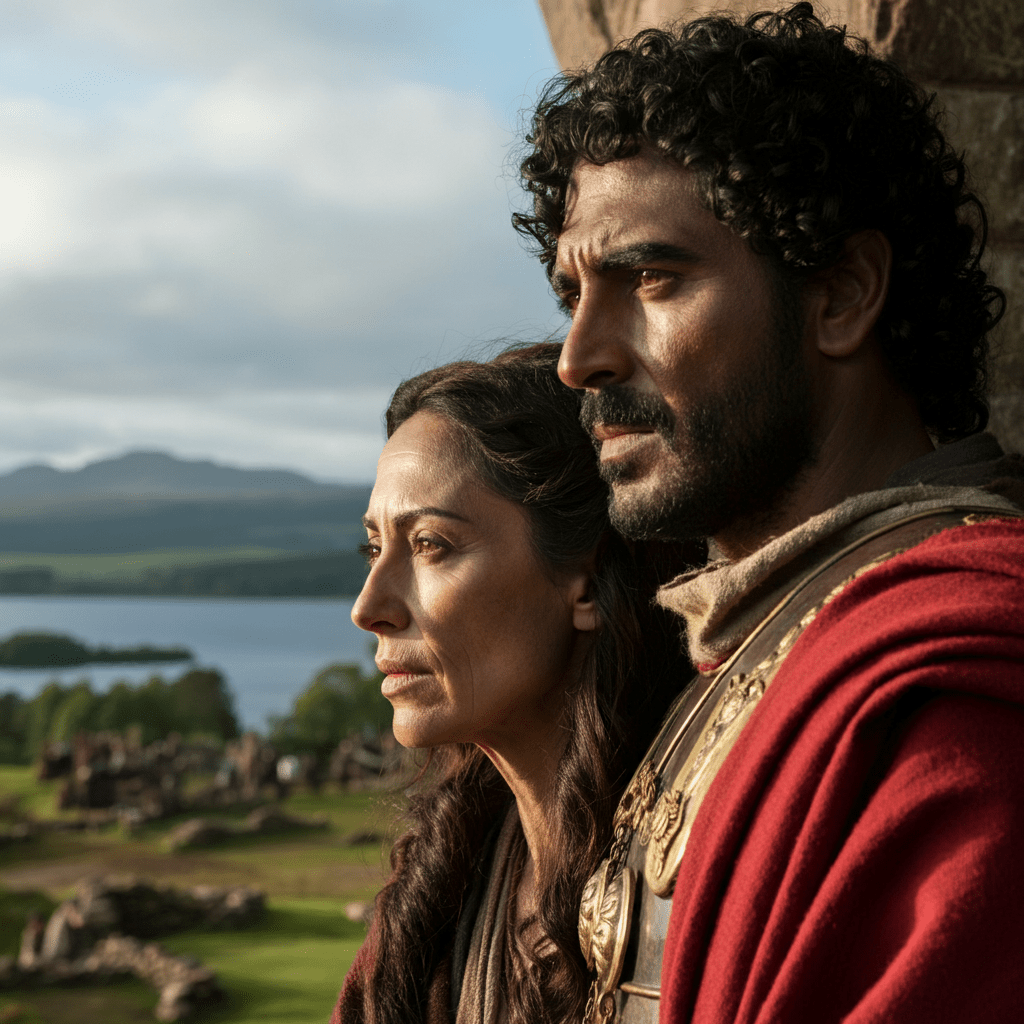
Charlotte Higgins: Britain’s history of Middle Eastern immigrants may have been forgotten, but it dates back to Roman times Source: When Syrians, Algerians and Iraqis patrolled Hadrian’s Wall | Books | The Guardian
-
8 Roman Auxilliary Units That Served on the Antonine Wall | History Hit
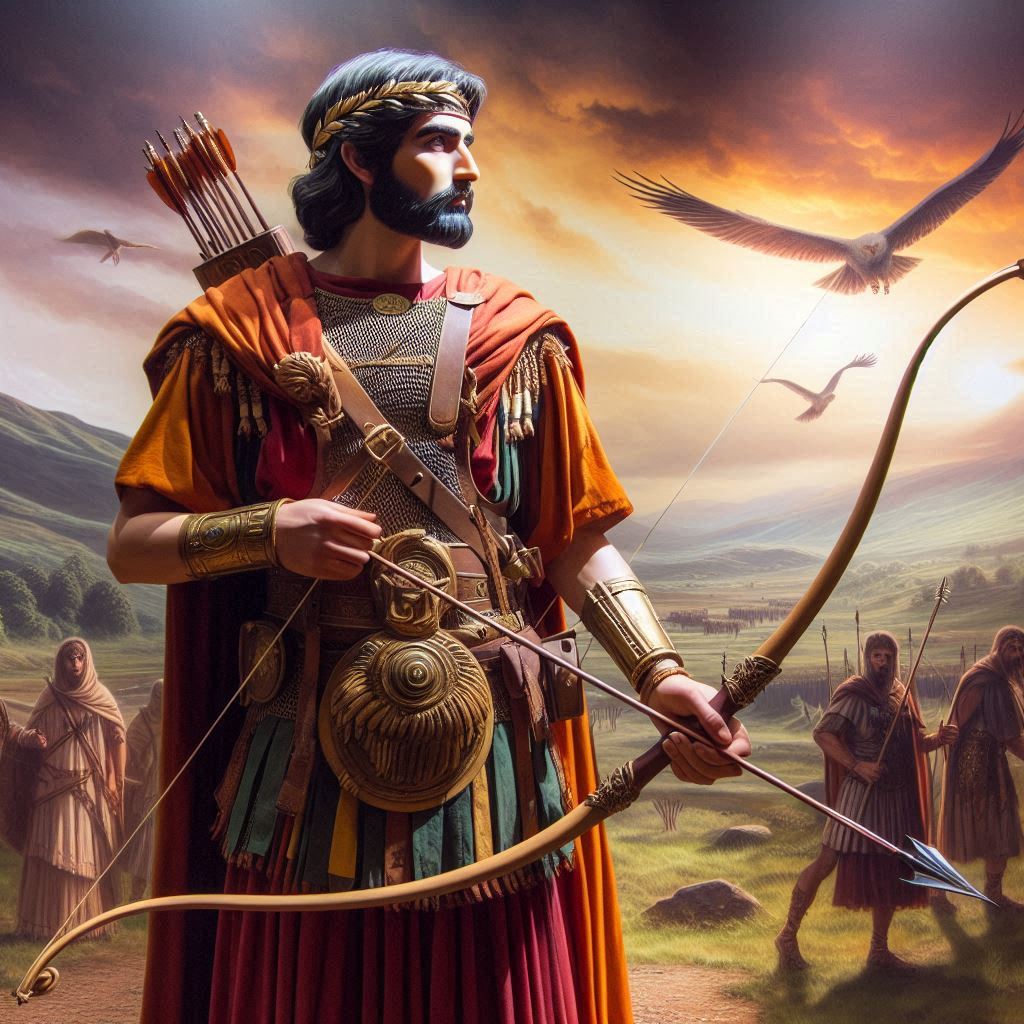
Syrian archers, Bulgarian cavalry, Belgium and Netherlands infantry, French and Spanish all served on the Antonine wall. Source: 8 Roman Auxilliary Units That Served on the Antonine Wall | History Hit
-
When Was the Antonine Wall Built and How Did the Romans Maintain It? | History Hit
Source: When Was the Antonine Wall Built and How Did the Romans Maintain It? | History Hit
-
Bodyguards, corpses, and cults – Current Archaeology
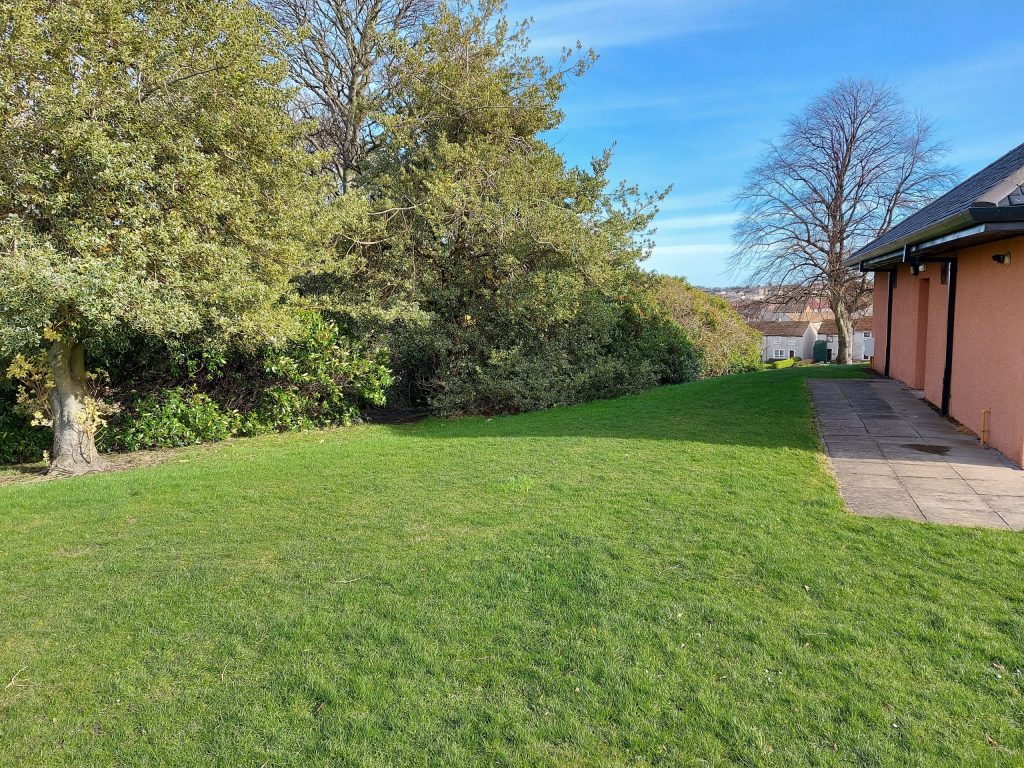
Everyday life in the Roman military community at Inveresk Rome’s northern frontier could be a cosmopolitan place, with forts attracting bustling civilian settlements, visiting VIPs, and exotic religions. Excavations at Inveresk have teased out details of life at this tantalising site, as Fraser Hunter reveals. Recent discoveries at Inveresk are casting vivid light on the…
-
The Tungrians – Belgium
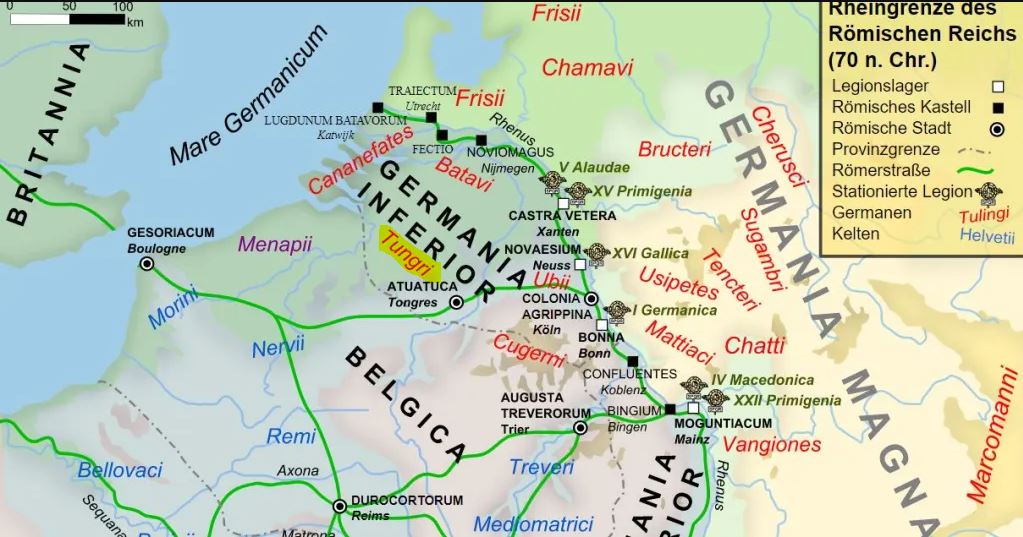
The Tungrians were from modern-day Belgium. There were three units that served as auxiliary units from Agricola’s time. First Cohort of Tungrians Ala I Tungrorum Second Cohort of Tungrians Location in Scotland What Castlecary Fort, Antonine Wall The First Cohort of Tungrians helped build Castlecary Fort around AD 141. Cramond Fort, near Edinburgh The First…
-
FACT FILE: Roman Religion | The Vindolanda Trust
Religion was important to the Romans at Vindolanda. Find out more below. Source: FACT FILE: Roman Religion | The Vindolanda Trust
-
Tab.Vindol. 343. Ink writing tablet | Roman Inscriptions of Britain
“Greet Spectatus and … and Firmus” – letter from Vindolanda about doing business. For a moment I thought it was Kirk Douglas Source: Tab.Vindol. 343. Ink writing tablet | Roman Inscriptions of Britain
-
Roman Names
Learn how Romans named themselves Source: Untitled Document
-
Caratacus and the Roman invasion of Britain
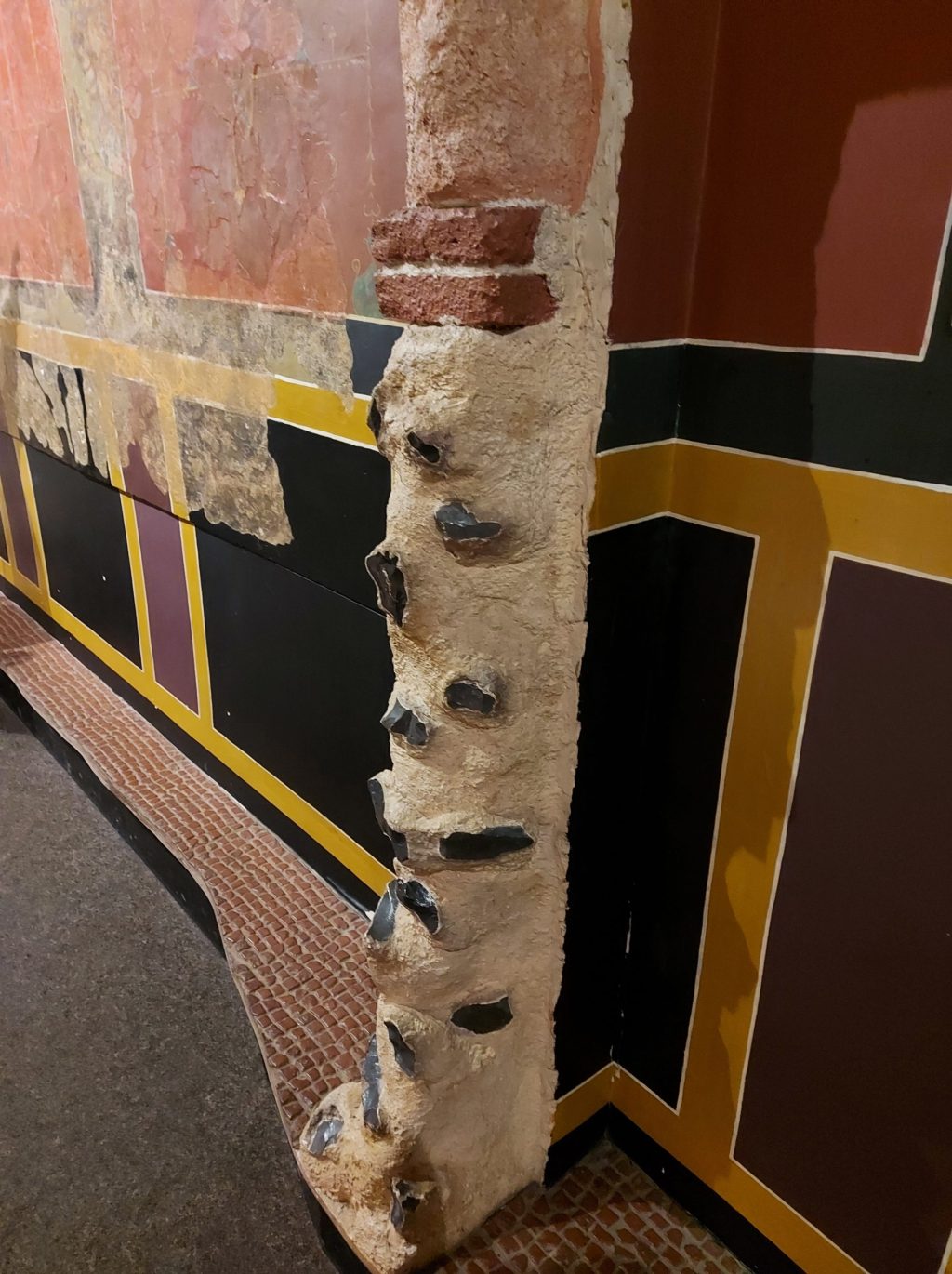
Meet a leader of resistance to Rome in this short introduction to Britain’s early conquest period.
-
Ancient Chinese Historian Describes The Roman Empire
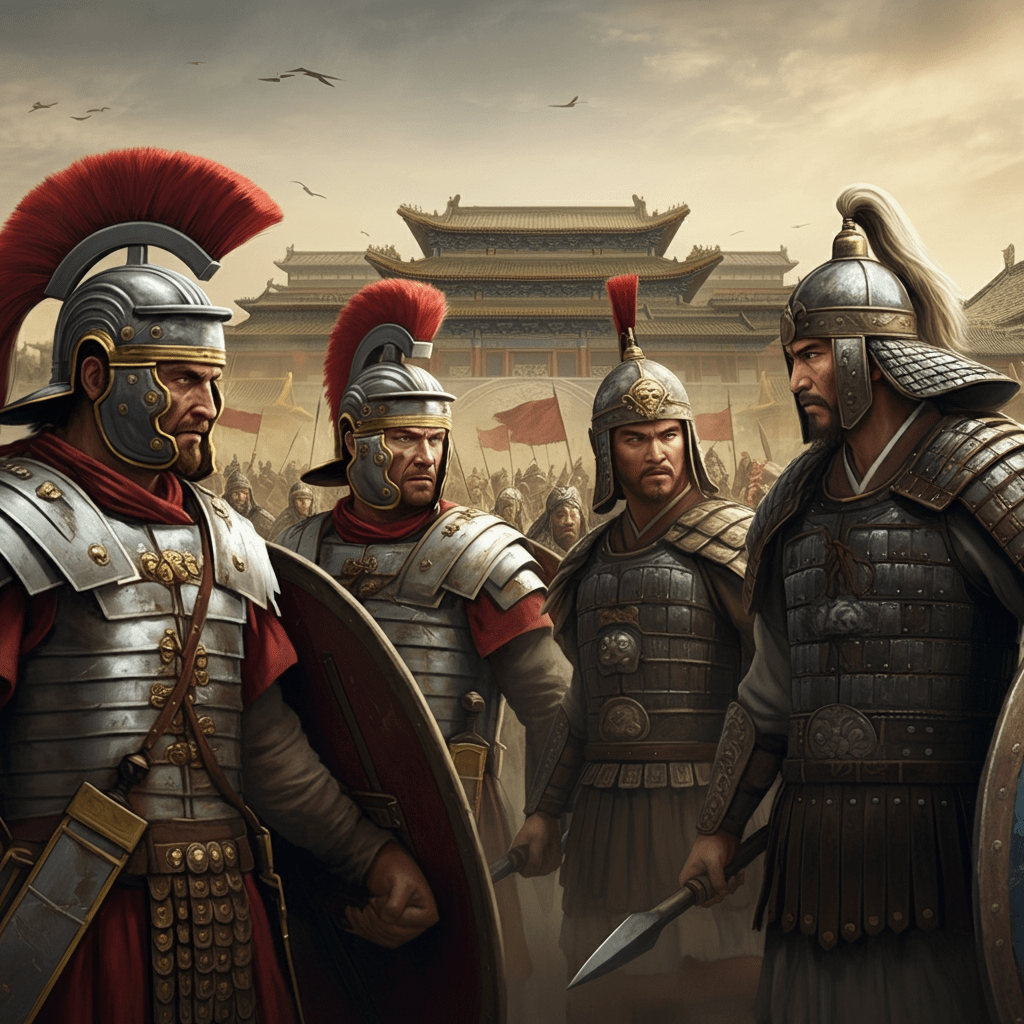
References An Ancient Military Contact between Romans and Chinese The American Journal of Philology, Vol. 62, No. 3 (1941), pp. 322-330 (9 pages)
-
Professor David Breeze – Archaeologist of Roman Scotland and the Frontiers of the Empire
Few modern archaeologists have had as much influence on our understanding of Roman Scotland and the northern frontiers of the Roman Empire as Professor David J. Breeze. Over a career spanning more than half a century, Breeze has excavated Roman forts, studied the organisation of the Roman army, written some of the standard works on…
-
I’ve been on the Pilgrimage! – Current Archaeology
WallQuest community project – lots of good info on 2019 developments on Hadrians Wall. Source: I’ve been on the Pilgrimage! – Current Archaeology
-
Arthur’s O’on – Falkirk Local History Society
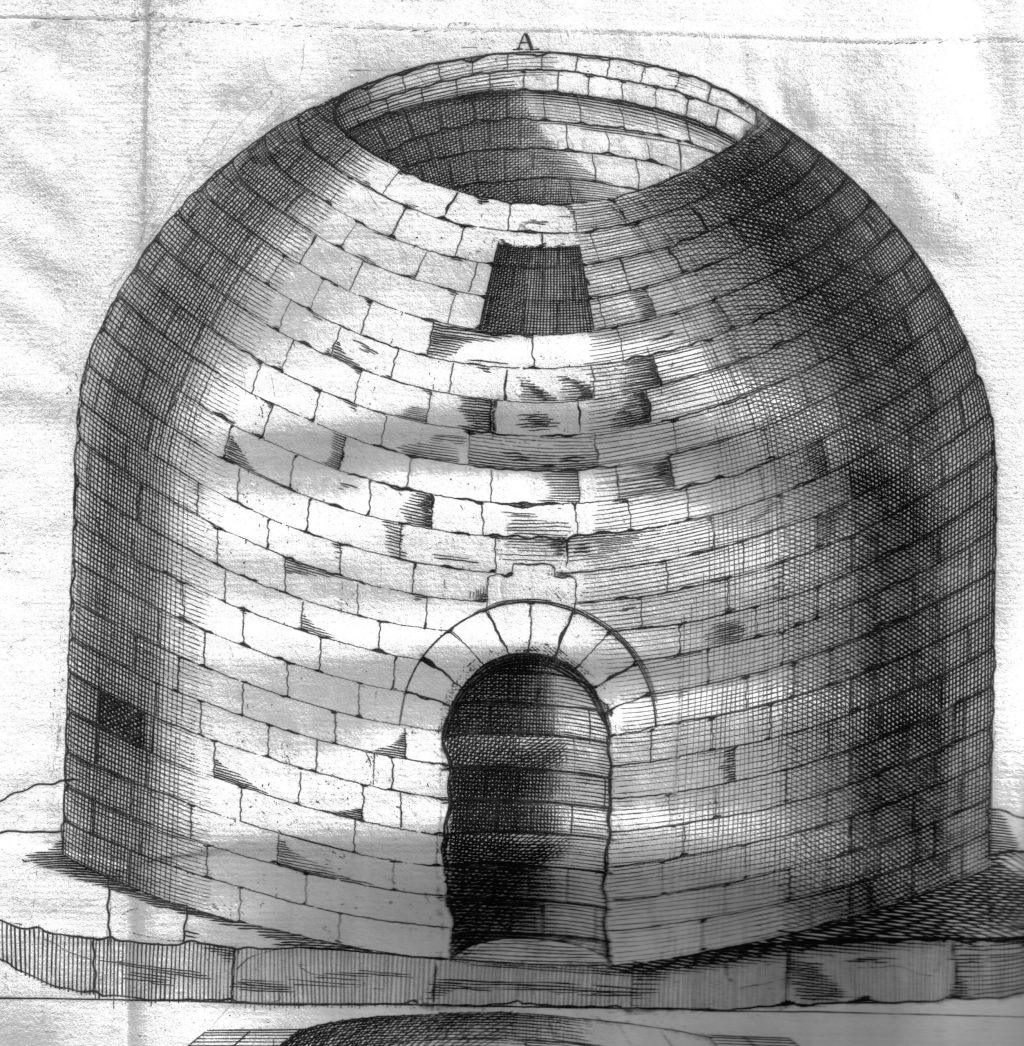
The building is unique. It was definitely a temple, since a bronze finger from the cult statue was found in a crevice (the figure might have stood on the pedestal mentioned), and was too far from a fort or road to have been a bath or mausoleum. Ox horns, perhaps sacrificial, were found nearby.…
-
Roman Fort – Ancient History Encyclopedia
Description of a Roman Fort. In Wallsend a fort had 480 legionaries and 120 cavalry which gives you an idea of the size. Source: Roman Fort – Ancient History Encyclopedia
-
Ancient Roman Names | Latin Language Blog
Back in ancient Roman times, most male citizens were named in three parts or the tria nomina. The praenomen is what we call the first name. In Latin, it Source: Ancient Roman Names | Latin Language Blog
-
Inchtuthil: a BBC fortress reconstruction
A BBC animation helps viewers imagine the scale of the legionary fortress at Inchtuthil.
-
Inveresk Roman Fort: a BBC reconstruction
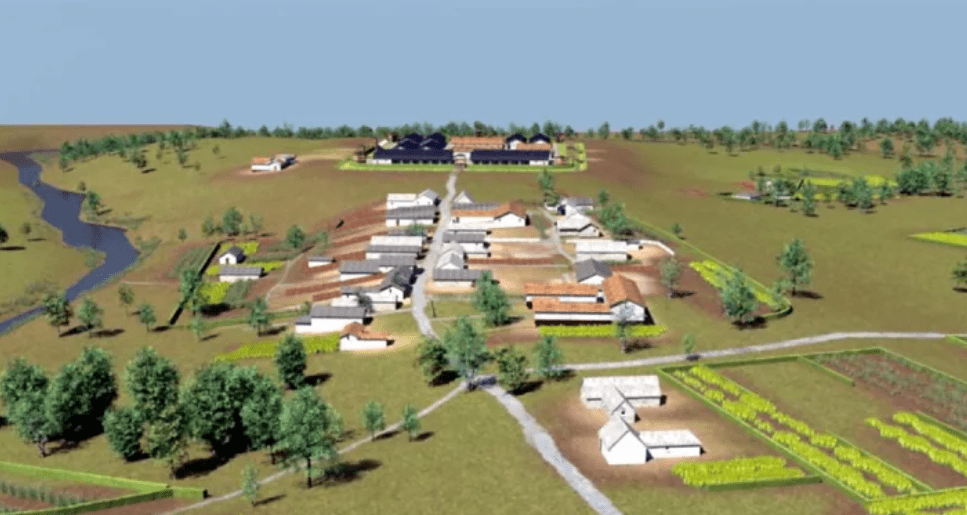
A BBC animation visualises the Roman fort at Inveresk.
-
Burnswark: a BBC film clip
A clip from Scotland: Rome’s Final Frontier focuses on the Roman military remains at Burnswark.
-
The Antonine Wall: a tour of the surviving sites
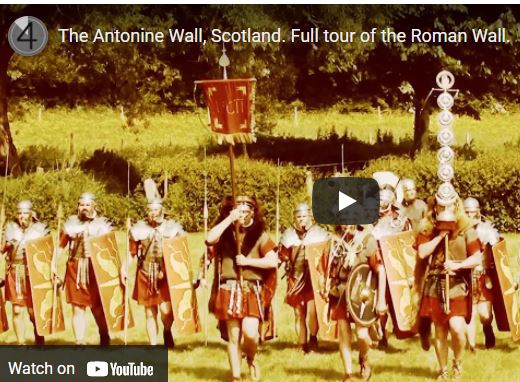
Travel along the Antonine Wall through a filmed tour of its earthworks, forts, bathhouse and museum collections.
-
Gask Frontier
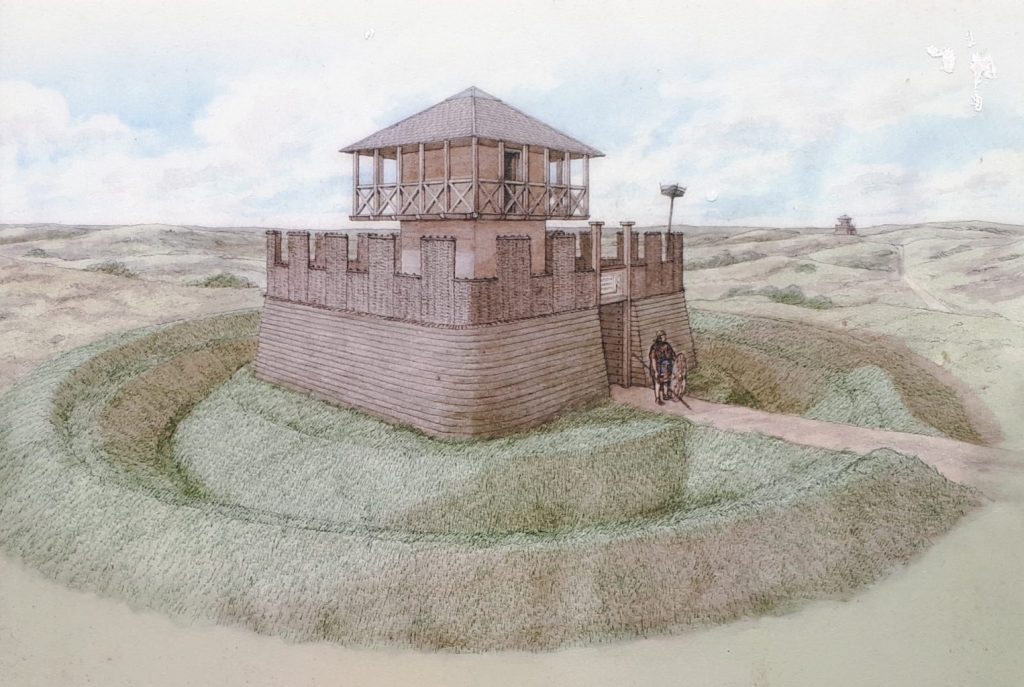
In 1845, writing for the New Statistical Account of Scotland, the minister of Gask in Perthshire described the historic local features of the Gask Ridge, including a prominent Roman causeway and a location known as the “Witchknowe”. [1] (https://www.genuki.org.uk/big/sct/PER/Findogask), [2] (https://www.genuki.org.uk/big/sct/PER/Findogask/Gaz1868) Specifically, the parish minister noted that: A Roman causeway constructed of compactly built rough…
-
Ardoch Roman Fort
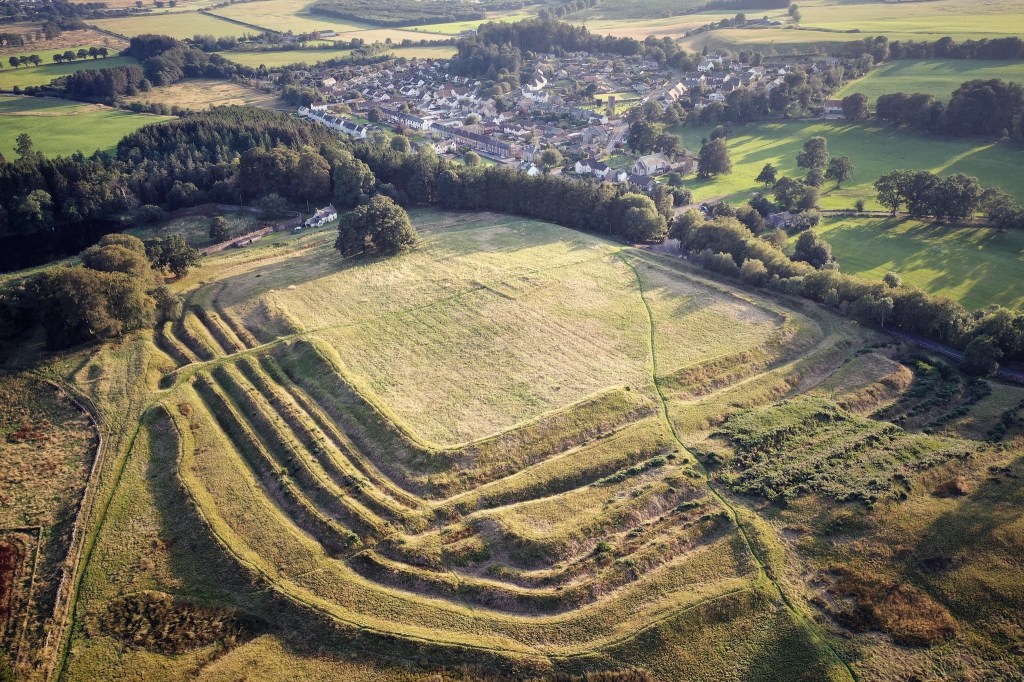
Just north-east of Braco, Ardoch Roman Fort offers something rare in Scotland: Roman defences that still make an immediate impression on the ground. Ranks of grassy banks and ditches surround the interior, revealing the scale of the army’s work long after its buildings disappeared. Visit Ardoch Roman Fort 📍 Location: Braco, Perth and Kinross ·…
-
Fendoch Roman Fort
At the entrance to the Sma’ Glen, Fendoch Roman Fort occupied a position where routes through the hills met the lowlands. Its remains are subtle today, but excavation has made it an important site for understanding Rome’s first occupation of northern Britain. Visit Fendoch Roman Fort 📍 Location: Glenalmond, Perth and Kinross · Grid reference…
-
Carpow
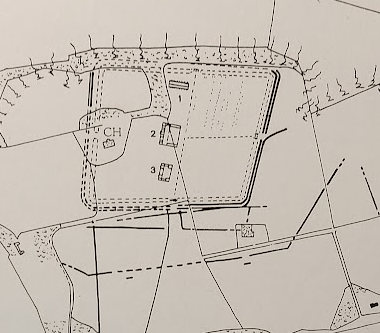
Carpow was a large fortress, covering 11 ha (27.5 acres) on the banks of the Tay near Abernethy. It was built to house between 2,000 and 3,000 men. Two legions that served here, or were at least involved in the building of the fort, were the Sixth Victrix and the Second Augusta. They have been…
-
Lidar (Light Detection and Ranging) | Historic England
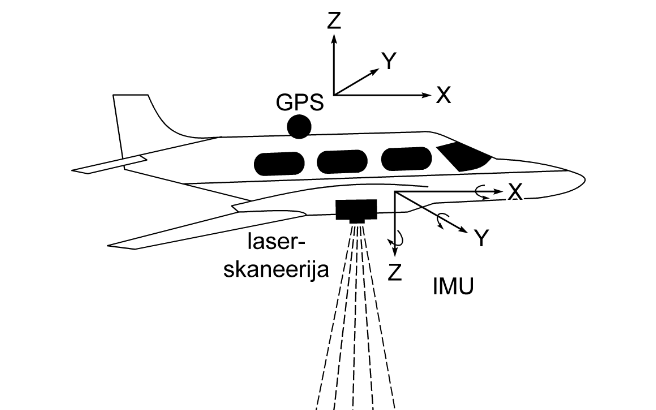
Lidar is capable of measuring the ground surface with a very high degree of accuracy enabling the recognition and recording of hard to detect features Source: Lidar (Light Detection and Ranging) | Historic England
-
The Roman Army
A legion was 5000 to 6000 men. It was divided into 10 cohorts of around 500 men. Each cohort was divided into centuries 100 strong. In the first century AD Rome had 30 legions made up of citizen soldiers. It is not clear how many auxiliary forces were used but they were structured as below…
-
Glasgow – The Hunterian
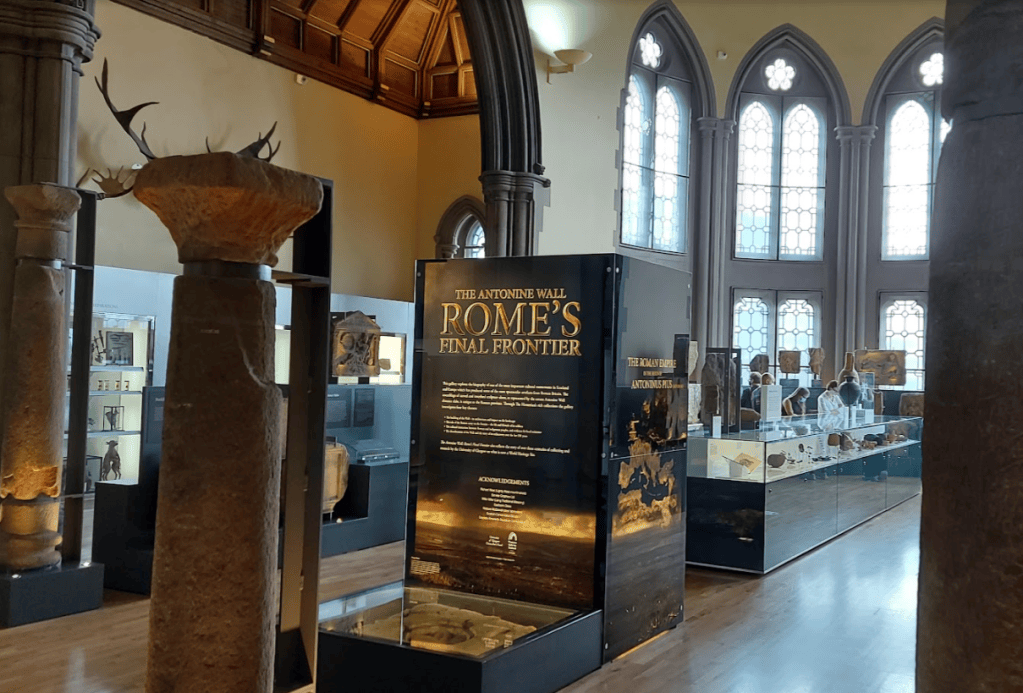
The Hunterian Museum contains the finest dedicated display about the Antonine Wall. Its permanent gallery, “The Antonine Wall: Rome’s Final Frontier”, brings together monumental sculpture and everyday objects recovered from the frontier across central Scotland. The gallery is especially famous for its distance slabs: elaborately carved stones recording lengths of Wall built by the legions.…
-
Arbeia South Shields Roman Fort
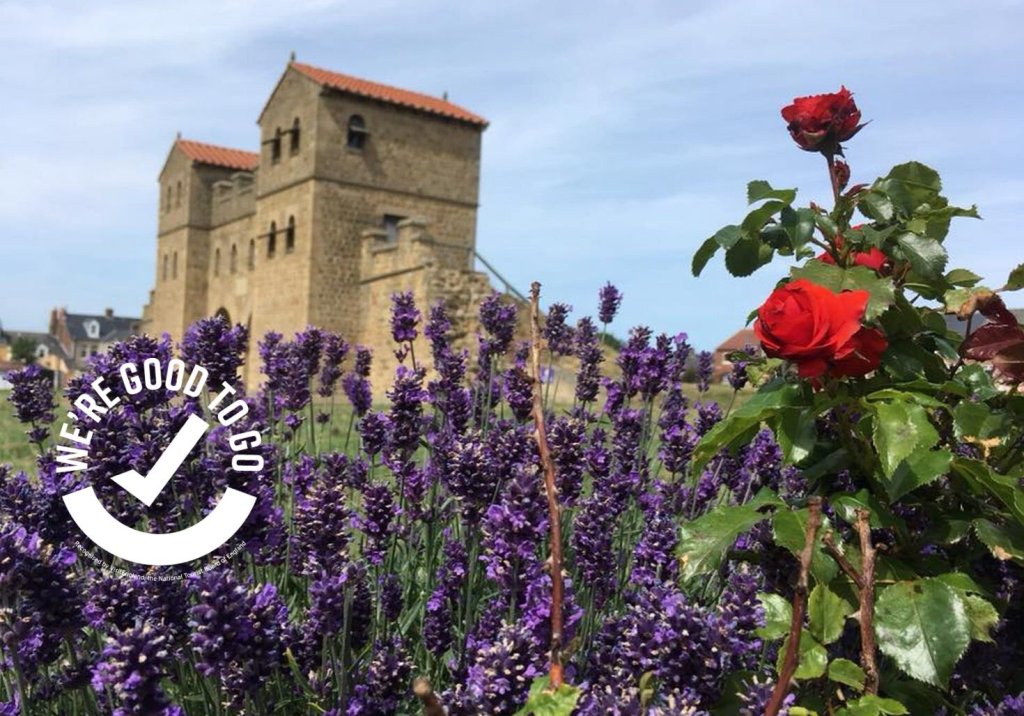
Arbeia guarded the mouth of the River Tyne and became an important supply base for Hadrian’s Wall. Its museum, excavated remains and reconstructed buildings make it one of the most vivid Roman sites in northern Britain. The site combines original archaeology with full-scale reconstructions, allowing visitors to move through spaces based on a Roman gatehouse,…
-
Segedunum Roman Fort – Newcastle
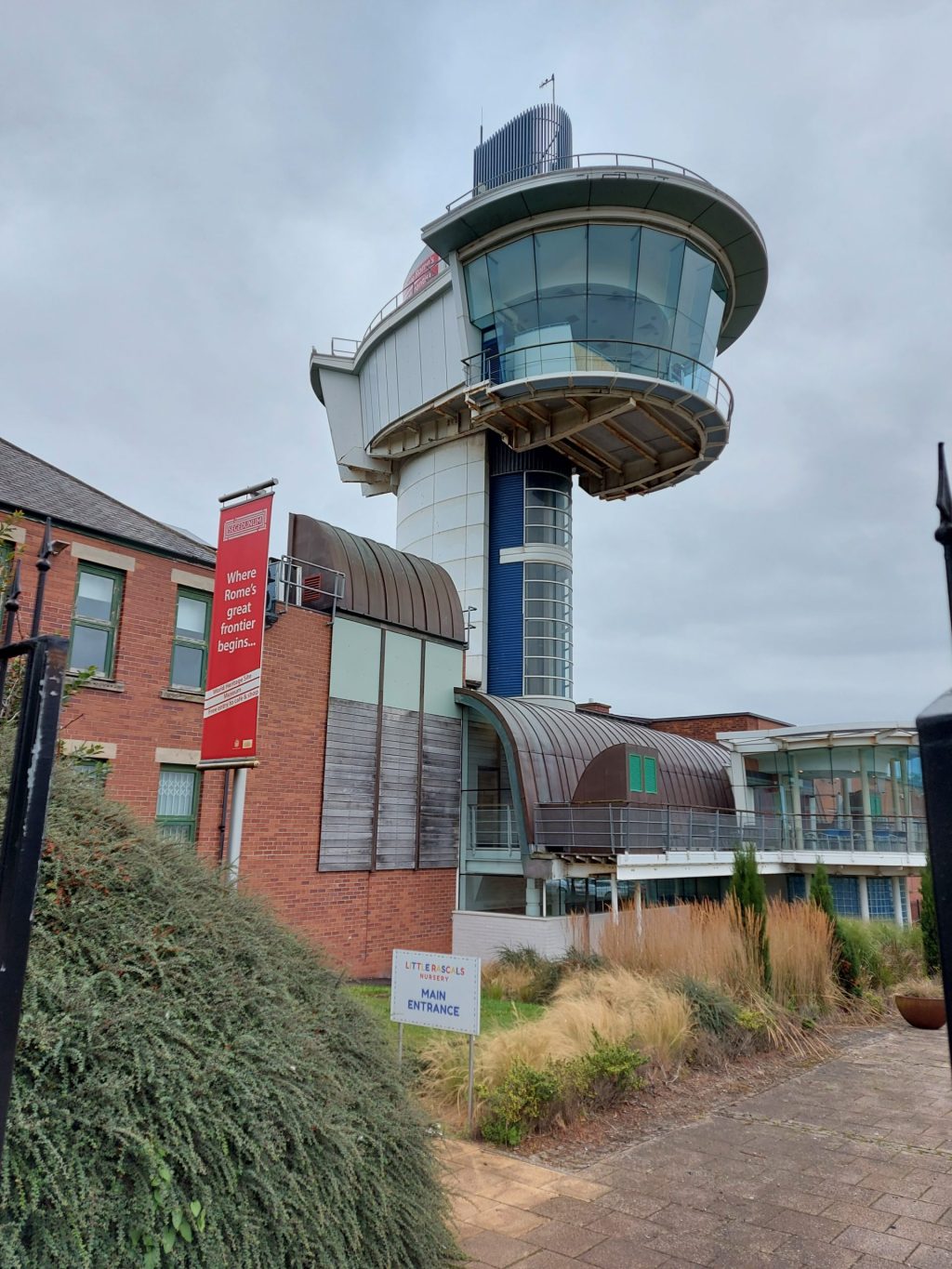
Segedunum stands at the eastern end of Hadrian’s Wall beside the River Tyne. The museum and excavated fort provide one of the clearest places to understand how the frontier began, how a Roman garrison was organised and how the site later became part of an industrial landscape. Visitors can explore the fort plan, reconstructed bathhouse…
-
DISCOVERING THE ANTONINE WALL DISTANCE STONES
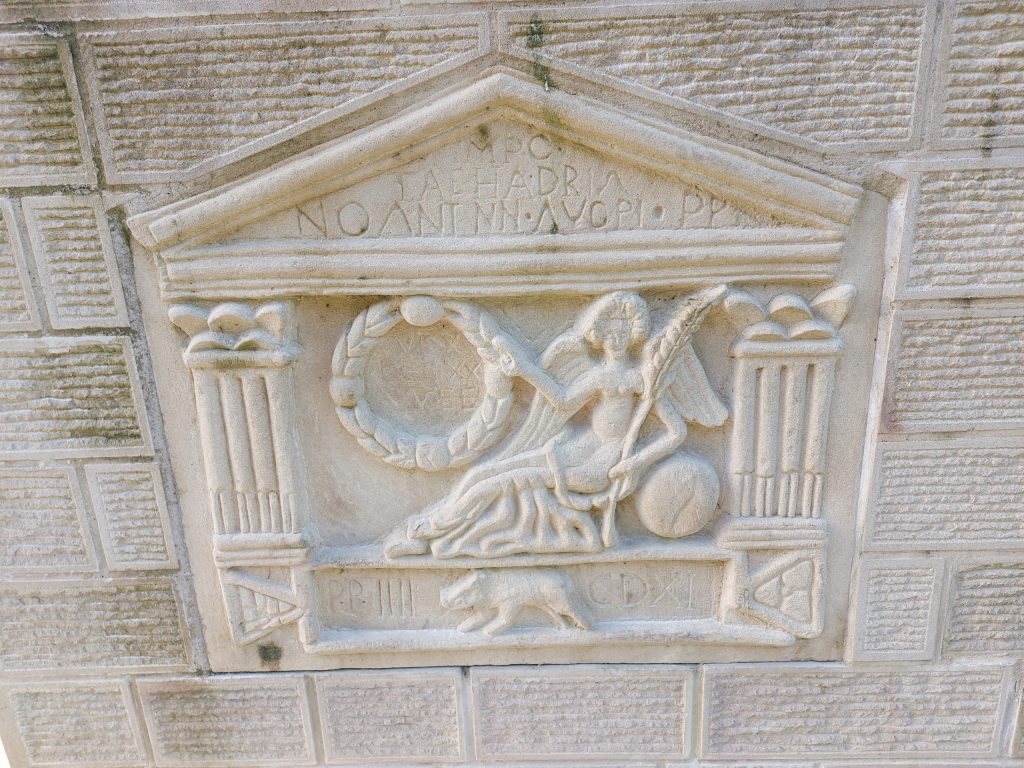
READING THE WRITING ON THE WALL: DISCOVERING NEW DIMENSIONS TO THE ANTONINE WALL DISTANCE STONES by Louisa Campbell University of Glasgow Source: READING THE WRITING ON THE WALL: DISCOVERING NEW DIMENSIONS TO THE ANTONINE WALL DISTANCE STONES | Campbell | JOURNAL OF ANCIENT HISTORY AND ARCHAEOLOGY
-
Building a Roman fortress wall: a reconstruction
Watch re-enactors demonstrate the construction of a Roman military ditch and wall.
-
Flavian hair and make-up: a modern reconstruction
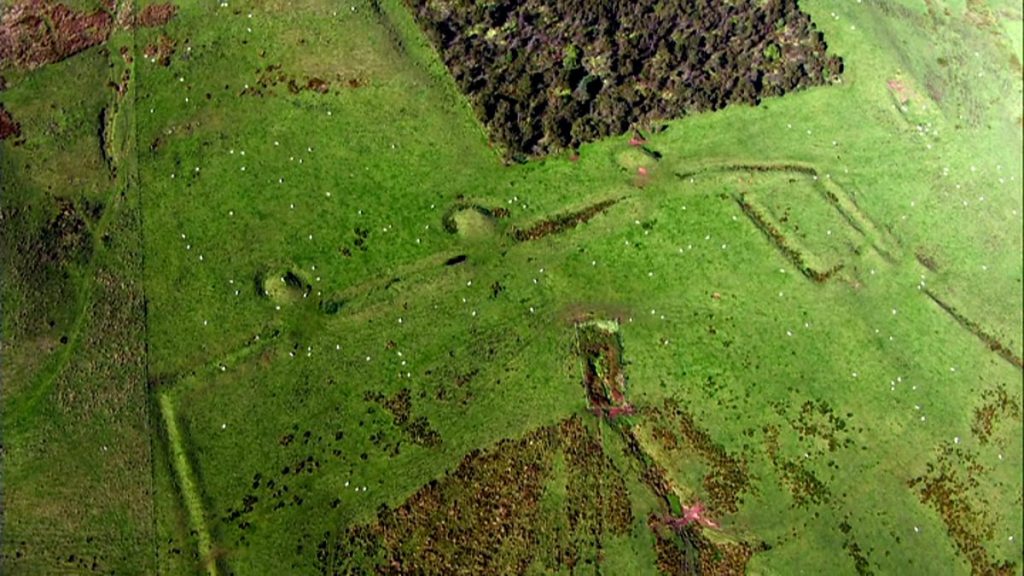
Liv Free demonstrates a Roman-inspired hairstyle and make-up using modern tools and products.
-
Unique Christian Artefact Uncovered at Vindolanda | The Vindolanda Trust
A recently uncovered artefact at Vindolanda sheds a new light on the Dark Ages of Britain. Hidden in the remains of a 6th century Christian church, inside the previously occupied Roman Fort, were the fragmentary remains of a lead vessel, lightly etched with symbols of early Christian iconography. Source: Unique Christian Artefact Uncovered at Vindolanda…
-
Roman Road Resources Scotland
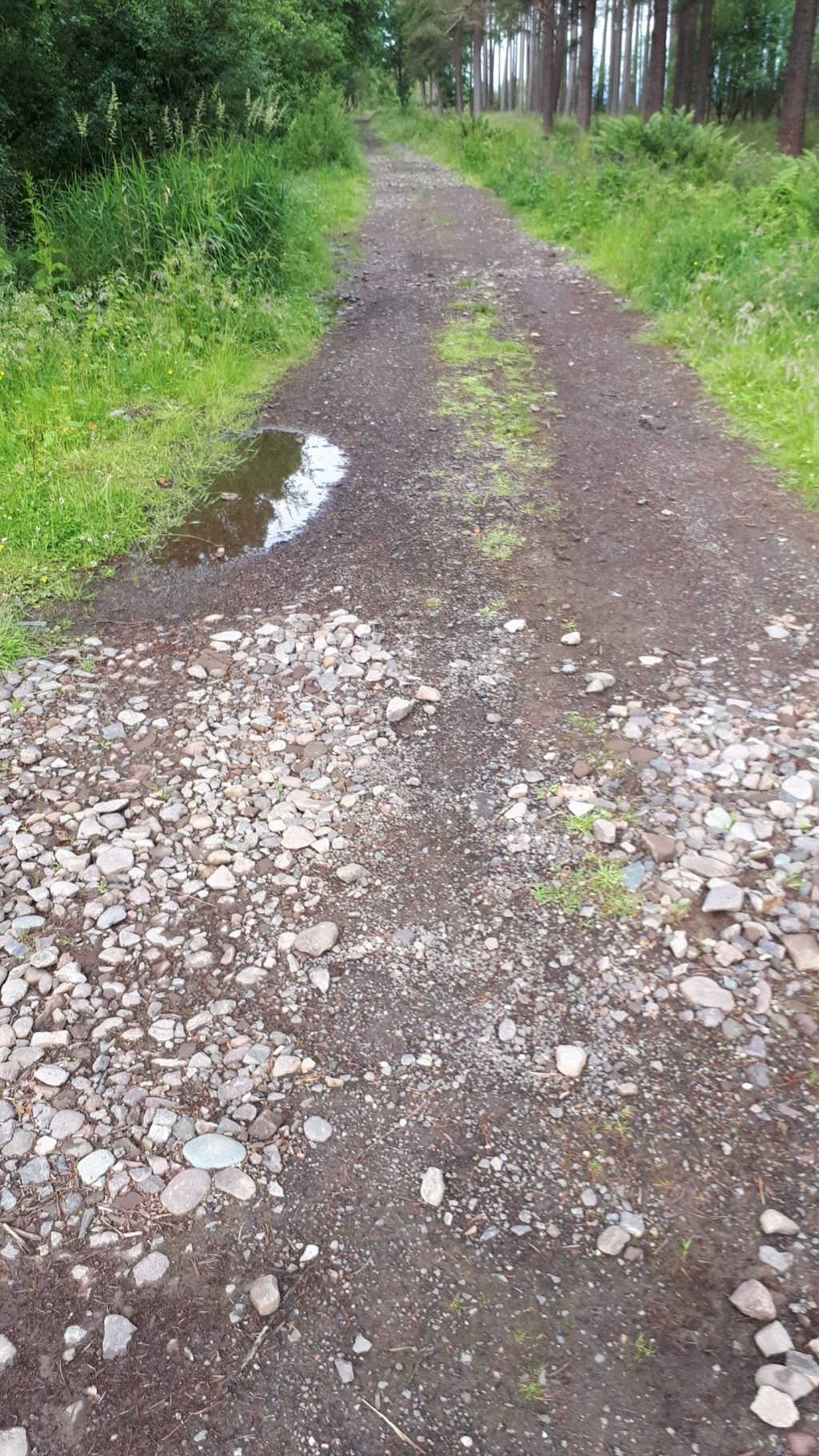
Welcome to the home page of the Roman Roads Research Association, Britain’s first national organisation dedicated to the study of Roman Roads Source: RESOURCES Scotland
-
Walking Britains Roman Roads – Dere Street
Channel 5 program https://www.my5.tv/walking-britain-s-roman-roads/season-1/walking-britain-s-roman-roads
-
Roman Roads of Scotland
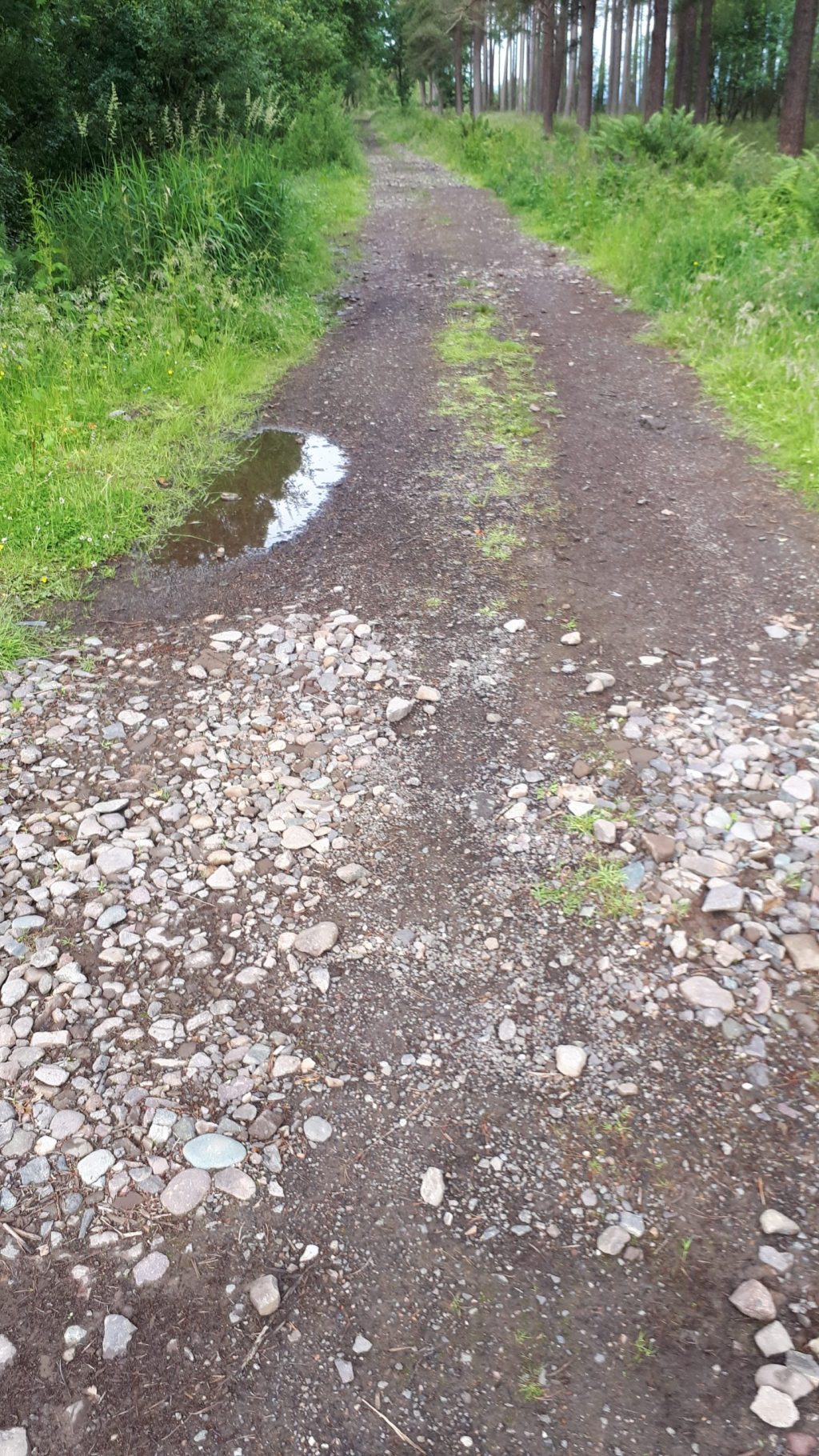
The Romans built roads to help move troops around Scotland as well as to occupy the soldiers stationed here, since they spent most of their time not fighting. An interactive map showing forts and roads can be found below The wider road network in Britain is below Dere Street MId 1St Cent AD Corbridge to…
-
Roman auxiliary cavalry: a short re-enactment
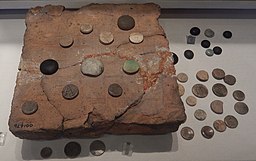
The Autonomous Reenactor Collective introduces cavalry serving alongside Rome’s legionaries.
-
Caledonians to Picts – Cradle of Scotland

This site provides evidence of the native settlements during the time the Romans were on the Gask Ridge. Source: Caledonians to Picts – Cradle of Scotland
-
Helensburgh Heritage Trust
Brigurd Point Source: Helensburgh Heritage Trust
-
Roman Street Map : Scribble Maps
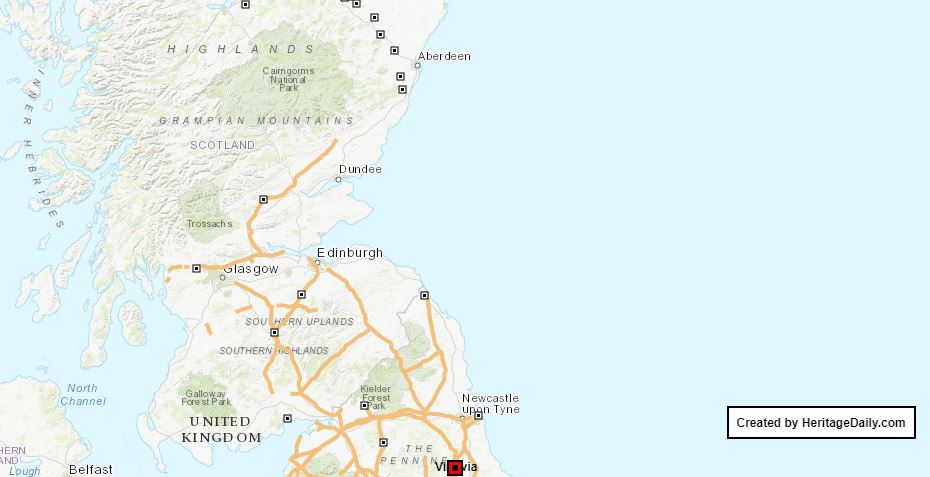
Interactive Roman Street Map which includes Scotland. Click link below. Source: Roman Street Map : Scribble Maps
-
Legio II Adiutrix

This legion invaded Scotland with Agricola in 79 AD. It was raised initially in the Narbonne area of France and was granted the honorific title “pia fedilis” (“pious and faithful”) by the emperor Vespasian. It was posted to Britain in 70AD and was based in Chester. It was one of 4 legions that invaded Scotland…
List of All Posts
Category

